
Why You Should Stop Watching Netflix
Are you losing your life to TV?
Watching TV together is the lowest form of intimacy as a couple
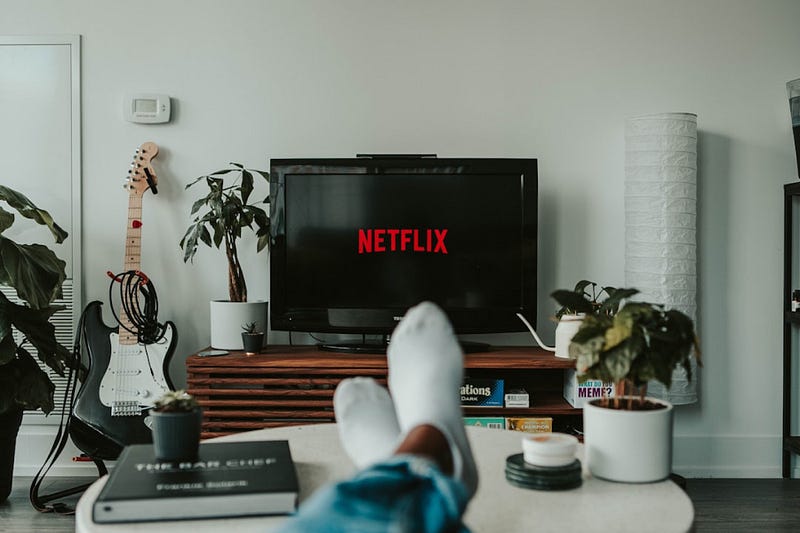
In the age of endless streaming platforms and binge-watching culture, the decision to step away from Netflix might seem counterintuitive to some.
But for me (and my partner) it was a transformative choice that unlocked a wealth of new experiences and opportunities. Here’s a glimpse into the downsides of watching streaming services and why we completely removed our TV from our life.
Firstly, let’s address the allure of Netflix. With its vast library of movies, TV shows, and documentaries, Netflix has revolutionized how we consume entertainment. Its recommendation algorithms seem to know our preferences better than we do ourselves, tempting us with an endless stream of content tailored to our tastes. It’s easy to see why so many of us have fallen into the habit of spending hours glued to our screens, clicking from one show to the next without a second thought.
Yet, despite its convenience and seemingly infinite options, there are compelling reasons why I made the decision to bid farewell to Netflix and TV.
In fact, my partner and I don’t even have a TV anymore.
One of the primary reasons is the detrimental impact excessive screen time can have on our mental and physical well-being. Studies have shown that prolonged periods of sitting and staring at screens can lead to a host of health issues, including eye strain, headaches, and even increased risk of chronic diseases such as obesity and heart disease. Additionally, the constant bombardment of sensationalized content can contribute to heightened stress levels and a sense of disconnection from reality.
Moreover, the habit of binge-watching can become all-consuming, leaving little time for meaningful pursuits outside of the digital realm. Instead of engaging in hobbies, spending time with loved ones, or exploring the world around us, we find ourselves trapped in a cycle of mindless consumption, numbing our minds to the beauty and richness of life beyond the screen.
Most of us already have 40+ hours/week of screentime at work
I have a corporate job, meaning that I’m already spending 40+ hours per week in front of a screen. After calling it a day, I think there are better ways of spending my evening than numbing myself in front of the next screen for the remainder of the day.
Watching TV together is the lowest form of intimacy as a couple
„If you and I watch TV together for 200 hours a year, we would potentially be no closer than we were before. I have this of intimacy, and entertainment is on the lowest rung of the ladder. But that is what the majority of couples are doing. So if we’re only watching TV together, I promise you, that relationship is not growing. It is actually falling apart slowly, and you have no idea.“ – Jay Shetty
Highly controversial, but I think TV and Netflix are detrimental to our (romantic) relationships. If the only way you can relax with your partner is to mindlessly watch TV together, you might reconsider how good of a fit you are.
Mindlessly watching TV together is not spending quality time as a couple.
Here are some additional reasons and downsides of Netflix and streaming services in general:
Escapism vs. Real-world Engagement:
Binge-watching on Netflix can often serve as a form of escapism, allowing us to temporarily avoid dealing with real-life challenges and responsibilities. While there’s nothing wrong with occasional relaxation, excessive escapism can lead to avoidance of important issues and hinder personal growth and development.
Content Quality and Diversity:
Despite the vast library of content available on Netflix, there are limitations in terms of quality and diversity. Many users find themselves scrolling endlessly through mediocre options, unable to find something truly engaging or meaningful. Furthermore, the dominance of certain genres and lack of representation for marginalized communities can contribute to a sense of alienation for some viewers.
Time Sink:
Binge-watching can quickly devour large chunks of our time, leaving little room for other activities and priorities. What starts as a harmless way to unwind can spiral into hours spent in front of the screen, detracting from productivity, social interactions, and personal development.
Impact on Sleep:
The blue light emitted by screens can disrupt our circadian rhythms and interfere with sleep patterns, leading to insomnia and poor sleep quality. Watching Netflix late into the night can become a habit that negatively impacts our overall health and well-being.
Addictive Nature:
Streaming services are designed to keep users engaged for as long as possible, often employing addictive techniques such as autoplay and personalized recommendations. This can lead to compulsive viewing habits and difficulty disengaging from the platform.
Passive Consumption:
Watching TV often involves passive consumption, where we become mere spectators rather than active participants in our own lives. Hours can slip away unnoticed as we mindlessly flip through channels or binge-watch series, leaving little room for meaningful engagement or personal growth.
Sedentary Lifestyle:
Sitting for extended periods in front of the TV can contribute to a sedentary lifestyle, leading to a host of health issues including obesity, heart disease, and decreased mobility. The lack of physical activity associated with TV watching can also impact our mental well-being, exacerbating feelings of lethargy and low mood.
Mindless Entertainment:
While TV can be a source of entertainment and relaxation, it often prioritizes mindless consumption over meaningful engagement. Many shows and movies offer little in the way of intellectual stimulation or thought-provoking content, serving as a form of passive distraction rather than enrichment.
In making the decision to disconnect from Netflix, I’ve discovered a newfound sense of freedom and clarity. By reclaiming my time and attention, I’ve been able to focus on activities that nourish my mind, body, and soul. Whether it’s reading a book, going for a walk in nature, or simply enjoying a quiet moment of reflection, I’ve found that true fulfillment lies not in the endless pursuit of entertainment, but in the simple pleasures of everyday life.
And guys, if you skip your daily routine of 1 hour of Netflix per day, that’s 7 hours per week! That’s almost one additional working day per week where you could start a workout routine, or your side hustle, or whatever thing you’re telling yourself “you don’t have enough time for“.
Of course, this isn’t to say that streaming services like Netflix are inherently evil or without merit. For many people, they serve as a source of entertainment, education, and connection with others. However, it’s essential to approach our consumption habits mindfully, being mindful of the impact they have on ourselves, our communities, and the world at large.
In conclusion, my decision to stop watching Netflix isn’t about vilifying a particular platform or condemning those who choose to indulge in digital entertainment. Rather, it’s about recognizing the power of choice and the importance of cultivating a balanced lifestyle in an increasingly connected world.
What are you thoughts on it? 🤔
Also, have you already considered cutting down your social media time? You could add back 16 hours of your time per week!


