
Why You Should Send Your Cryptocurrencies Offline When PayPal Allows It
You always want to protect your cryptocurrencies since you own them.
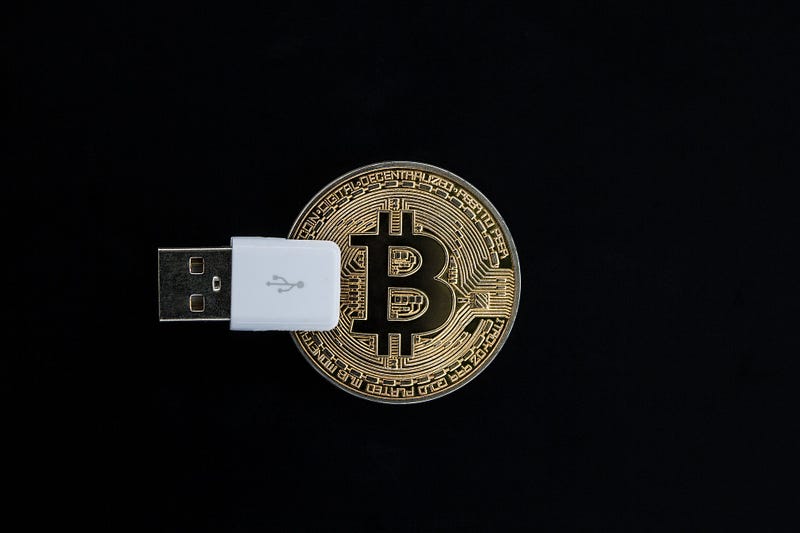
PayPal recently announced they were exploring allowing their users to send their cryptocurrencies off the exchange. This would be a good bonus when they allow it.
Currently, PayPal allows users to buy, sell or hold Bitcoin, Ethereum, Litecoin, and Bitcoin Cash. A year ago, PayPal allowed users to buy cryptocurrencies for the first time. This gave a more recognizable company access to this market that already had millions of users. PayPal has 300 million users.
With cryptocurrencies, if you bought them on PayPal, you don’t technically own them. The cryptocurrencies are held on PayPal’s exchange.
This sounds fine but there have been past instances where companies were hacked, and people lost their cryptocurrencies. Since cryptocurrencies are not regulated, many people lost their cryptocurrencies. In a few instances, companies had the reserves to cover the losses. But this is not always the case.
Even with more prominent cryptocurrency exchanges, they have been hacked as recently as this year. Cryptocurrency exchange HotBit was hacked this past April.
What you can do to safeguard your cryptocurrencies
For many people, it is strange to take your money from your bank since you consider it safe. Banks are federally regulated up to $250,000 per person so if the bank was robbed, your money would be safe since the Federal government backs the money.
With cryptocurrencies, it’s a different matter. These are the cryptocurrencies that you own but the Federal government does not back your exchange if they are hacked.
Once you have purchased the cryptocurrencies on PayPal, you want to take them off the exchange. Of course, this will happen when PayPal allows this which should be in the future. You can still keep the cryptocurrencies on the exchange but you risk PayPal getting hacked. Robinhood is another company where you don’t own your cryptocurrencies either.
PayPal says they will cover you but the information is vague. The process may not be as simple as recovering losses in normal PayPal transactions and recovering your cryptocurrencies could be a drawn-out process.
You have several options to move your cryptocurrencies off of PayPal.
Novice user
Online wallet
These wallets are online and accessible from your phone or computer.
Experienced user
Offline wallet
These wallets look similar to a USB thumb drive that connects to your computer.
I have used some applications recommended above. Others I have heard of a few times from other cryptocurrency enthusiasts.
When you decide to buy an offline wallet, make sure you buy it from the original source. The links included here are from the original source. If you buy one of the wallets from a third party, it is possible someone else may have your keys to access the wallet. Therefore, it is best to buy these from the main company and not a third party.
With any method you use, you need to make sure you record the login information and secret words. These are usually unique words the website provides you. Make sure you do not store the words on your computer or phone where someone could hack your information and then have access.
If you need to reset your account password, you will need the secret words to access the account.
As I mentioned experienced user, anyone can still use these offline wallets. You just have to be careful when setting up these devices. The time to transfer your cryptocurrencies could take some time since the process is not fast or easy.
See these other articles for more on cryptocurrencies:
This article is for informational purposes only. It should not be considered Financial or Legal Advice. Not all information will be accurate. Consult a financial professional before making any significant financial decisions.
Disclaimer: The article may contain an affiliate link and the writer may receive a commission if you make a purchase.