
Why You Should Market in Ways That Don’t Scale
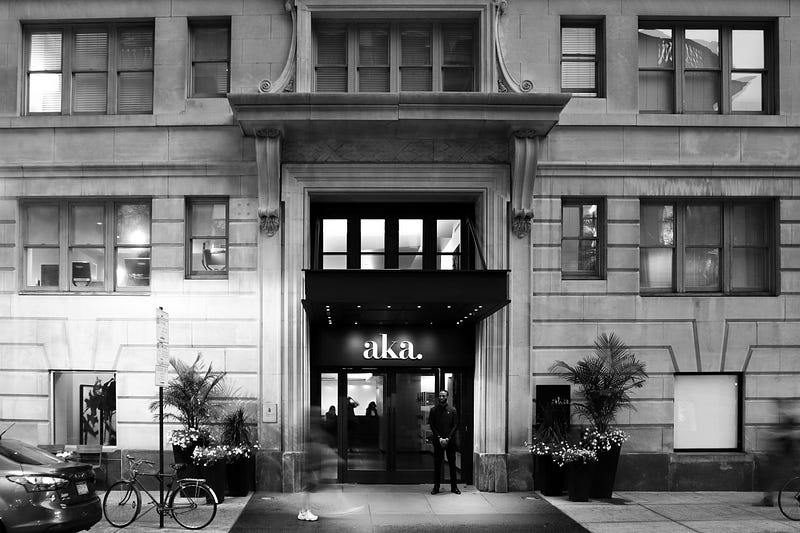
The difference between a doorman and an automatic door
We all know packaging matters. Otherwise, we’d be fine wearing blank clothes that come in un-printed boxes (or clear plastic bags), from stores with no logo, using websites with nothing but text.
Packaging matters a lot.
While it’s easy to spot great packaging for consumer goods, sometimes we miss opportunities in our own businesses.
Enter the doorman.
The doorman increases the value of a building or experience. By the sheer fact there’s a person standing outside, wearing a crisp uniform, ready to hail a cab, grab a package, and yes, hold the door for you.
Automatic doors are more efficient.
Automatic doors don’t need breaks or lunch.
Automatic doors don’t get sick.
Automatic doors can handle a relentless crowd of people.
But an automatic door is never a doorman. No automatic door adds value to a building. A hotel can’t double its room rates because it installed an automatic door. An apartment building can’t put the automatic door on the brochure.
The doorman doesn’t scale.
The job is elegant, even if it doesn’t make sense financially. The doorman says: “We’re the kind of place that has a doorman. Are you worthy of such an experience?”
The doorman is the long-game. While the automatic door is nice for the quarterly bonus.
How to Get a Doorman for Your Marketing
Want to make your cat litter appear to be more valuable to the customer? Add blue crystals to it. The crystals don’t have to do anything extra but we need to believe they do. The same works for laundry soap. If the soap is more expensive, they tend to add more colorful flakes inside.
Blue crystals are a doorman.
- Add a string to the packaging.
- Scent the soap.
- Write the customer’s name on the board, next to the front door.
- Send physical thank you cards.
- Have a real person answer the phone within three rings.
- Create a lifetime return policy.
- Offer bespoke instead of off-the-rack.
- Put fresh flowers in the lobby instead of those dusty plastic ones from your grandmother’s basement.
- Rename your online course from a Two-Week Introduction, to a Fourteen-Day, All-Immersive, Masterclass.
A large portion of the value of your work is the way you present it to your customer. Did you shoot a Word doc over email or did you print your quote on thick paper, include a Swiss bar of chocolate, and spend $25 overnighting it with FedEx?
This could mean the difference between closing the $50,000 deal and spending another day in your empty, high-rent office, spinning in your chair.
Your quote is a doorman too.
The way you answer your phone, the look of your book, the place you ask your customer to park their car — these are all doormen.
You don’t have to spend more money.
You can create doormen from marketing budgets of nothing. Do things that don’t scale. This is the long-game, remember. Sure, the automatic door is cheaper. Maybe the call center will save you a thousand dollars, or your cheapo box might shave a nickel off each item — but we’re watching.
Next time we’ll go with the place that has a doorman.
Consumers Want to Feel the Value of Their Purchase
We want to know the thing we bought is worth more than the price we paid. A large part of that transaction includes the way you present us the thing when we buy it.
If I feel like you pulled it from the back of your car (even if it’s a digital product), there’s no doorman.
We’ll buy more if you can match the value in our minds with the way you present the product or experience. We’ll notice when you do things that don’t scale.
We’ll see the blue crystals in the kitty litter. We don’t even care if they do anything, we just want the litter to feel more deluxe than the generic store brand that comes in a paper sack.
We want the doorman.
If you don’t give us the doorman, the next business will.
Your automatic door looks sweet on the accountant’s report but the accountant isn’t out there holding umbrellas in the rain, or giving lollipops to little kids, while Mom and Dad spend $1,200 for a hotel room.
Find the doorman in your marketing. We all need one.


