avatarJeff Hayward

Free AI web copilot to create summaries, insights and extended knowledge, download it at here

2541

Abstract

d or planned, although I did shoot some businesses that were closing to have a record of them. I would often shoot storefronts when I didn’t see any “people” scenes that grabbed my eye.</p><p id="65e4">It turns out these scattered images dating back a decade would become the inspiration for a <a href="https://www.blurb.ca/b/11765794-full-frontal-hamilton">photo book</a> of local storefronts that I just released in time for Christmas.</p><p id="65e3">I didn’t have any plans to compile these storefront photos into a book when I took them. However, I realized just how many of this type of photo I had sitting in my archives, and decided it made sense to create a collection.</p><figure id="2119"><img src="https://cdn-images-1.readmedium.com/v2/resize:fit:800/1*qSAaS31FP_SSpJS1bs5dCA.jpeg"><figcaption>This ghost sign has since been covered up. Photo by author</figcaption></figure><p id="a75a">That’s the thing: whether it’s shooting storefronts or discarded books on the ground outside, you’ll never know when you’ll suddenly have enough material for a themed series in a photo book or for social media.</p><h2 id="8b12">The human factor</h2><p id="9db9">Then there are the <i>people</i> photos. I occasionally snap informal portraits of friends and family, sometimes when I run into them randomly in the streets, or see them at an event.</p><p id="fc53">More than once someone I know has passed away, and I happen to have some images of that person (or pet) to remember them by.</p><p id="2179">I know that may seem a little dark, <i>photographing humans in case they’re gone.</i> However, if you don’t have photos of the people in your life, you might regret it when they pass away.</p><p id="44a5">Even if you don’t know the person well, making their portrait when you have the chance might help bring comfort to their family someday.</p><p id="4ed4"><i>On a less somber note, there’s another reason to capture people photos when you can: serendipity.</i></p><p id="2f24">You never know what kind of expression you’ll capture, or what will be in the background to add context to the scene. Here’s an example of a candid street photo I took, not realizing it said “scan the street” on the bus stop ad behind the subject.</p><figure id="9b4e"><img src="https://cdn-images-1.readmedium.com/v2/resize:fit:800/1*-ZpXERE4mkRG3bdC4s9OYg.jpeg"><figcaption>Photo by author.</figcaption></figure><p id="3538">You can’t always plan stuff like that in a split second.</p><h2 id="4de3">There’s no reason anymore to be shutter shy</h2><p id="65b1

Options

">Gone are the days of shooting film as the only option (although film is getting popular again.)</p><p id="7ebc">These days you can store hundreds or even thousands of images on a digital memory card. That means you don’t have to be overly selective when shooting digital, as opposed to having <a href="https://readmedium.com/take-the-24-shot-photography-challenge-ad559510179b">24 frames</a> on a roll of film.</p><p id="8b40">Sure, it might mean wading through more “junk” afterward to find the gems from your most recent photoshoot. It might mean that most of the images get buried in your archives without a second glance, taking up valuable space on your hard drive (I’ve had to buy more than one external drive to store all my “duds”, but it’s worth it.)</p><figure id="3764"><img src="https://cdn-images-1.readmedium.com/v2/resize:fit:800/1*dBpHFgbTCBdxOwJ_0LOORg.png"><figcaption>A small series of discarded literature by author. <a href="https://www.instagram.com/p/CzxDmJZue3n/?img_index=1">https://www.instagram.com/p/CzxDmJZue3n/?img_index=1</a></figcaption></figure><p id="04c6">That’s because what you consider a dud today may not still be a reject in the future. There could be a photo contest (like <a href="https://photocontestdeadlines.com/photo-contest-list/sony-world-photography-awards-2024/">this one</a> from Sony) or a themed photo show that you happen to already have images for, like I did for <i>Golden Hour</i>.</p><p id="25fd">There could be a call for stock images of certain scenes or objects, and you just might already have those waiting in your archives (just be aware whether or not you need a <a href="https://digital-photography-school.com/model-releases-need-know/">model release</a> for commercial use.)</p><p id="3ab4">You could be asked to contribute photos of a person or animal to a memorial, and you’ll be glad you took them.</p><p id="27bb">You may realize upon second inspection that the photos you considered rejects one day are beautiful the next. (This is one of the reasons why you should comb through your photo library and <a href="https://www.australianphotography.com/photo-tips/why-you-should-re-edit-your-older-photos#:~:text=Although%20it's%20natural%20to%20have,old%20work%20with%20new%20eyes.">re-edit</a> old shots, realizing their potential.)</p><p id="00fb">You may come across an older photo that you took half-heartedly, that perfectly depicts how you’re feeling at the moment.</p><p id="7b63">And what is photography, if not a form of personal expression?</p></article></body>

Why You Should Just Take That Photo

Even if the scene is uninspiring to you, the image might be valuable later.
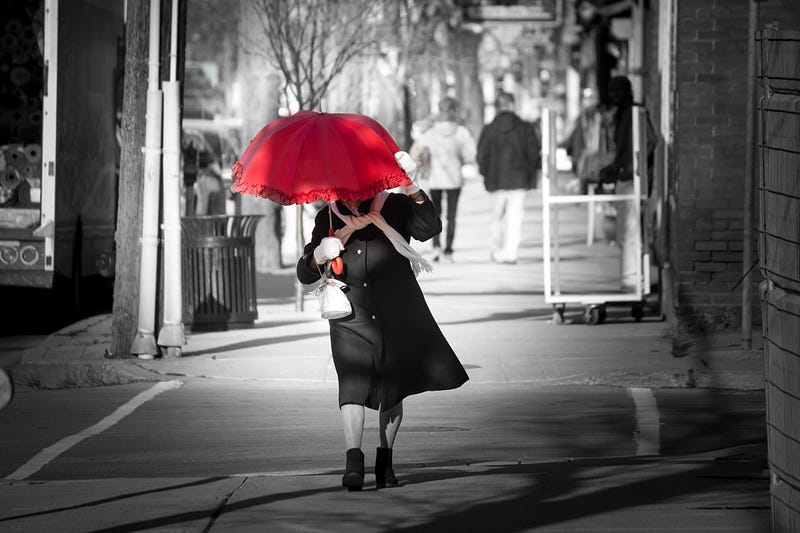
Photo by author. I didn’t like this shot at first, but now I’m considering an “umbrella” photo series.

Ever pointed your camera at something and said to yourself, “nah, that’s not worth shooting”?

Of course, you have. We all have. However, there’s a case to be made for shooting anything even remotely interesting that you come across.

More than once I’ve thanked myself later for just getting the picture. While a scene may not resonate with you now, it’s possible you will use that discarded photo in the future.

Usually, I come across a forgotten gem when I’m looking through my archives for something else. I see an image that I barely remember taking, and think, “why did I bury this one?”

In other words, some of your initially rejected photos may become some of the most prized in your collection.

Let me explain with a few personal examples…

Golden opportunities in every scene

Over the years, I’ve shot many photos during golden hour. While I’ve passed over many of my photos from this magical window of time, I keep them secured on my hard drive.

Earlier in 2023, I received an invite from another artist in town who was curating an art show called Golden Hour. It was a good opportunity to get my work into a local gallery, so I agreed to take part.

I had a limited amount of time to gather images for the show. Luckily, I already had most of what I needed. My computer is full of golden hour moments from over the years, and I was able to narrow them down to a few selections. All that was left to do was print and frame them.
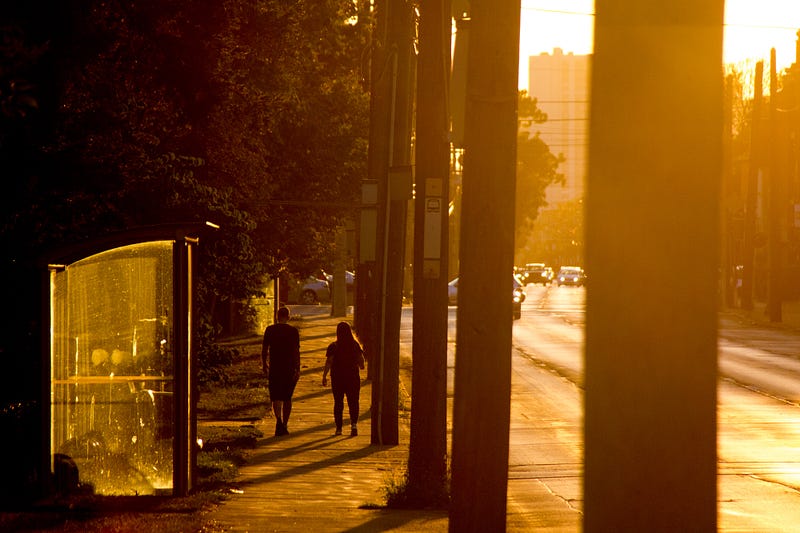
Photo by author

Also over the years, I’ve found myself shooting many local storefronts. There’s just something about the character of certain building entrances that compels me to snap them.

Most of these shots were not carefully composed or planned, although I did shoot some businesses that were closing to have a record of them. I would often shoot storefronts when I didn’t see any “people” scenes that grabbed my eye.

It turns out these scattered images dating back a decade would become the inspiration for a photo book of local storefronts that I just released in time for Christmas.

I didn’t have any plans to compile these storefront photos into a book when I took them. However, I realized just how many of this type of photo I had sitting in my archives, and decided it made sense to create a collection.
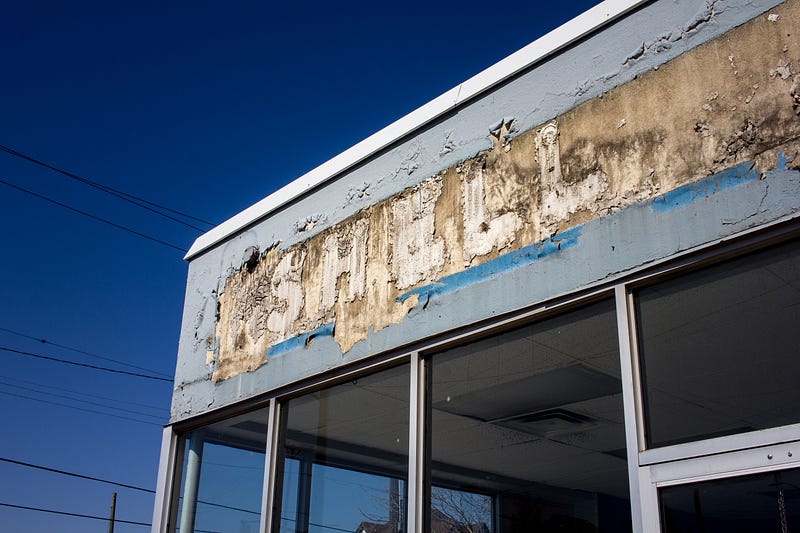
This ghost sign has since been covered up. Photo by author

That’s the thing: whether it’s shooting storefronts or discarded books on the ground outside, you’ll never know when you’ll suddenly have enough material for a themed series in a photo book or for social media.

The human factor

Then there are the people photos. I occasionally snap informal portraits of friends and family, sometimes when I run into them randomly in the streets, or see them at an event.

More than once someone I know has passed away, and I happen to have some images of that person (or pet) to remember them by.

I know that may seem a little dark, photographing humans in case they’re gone. However, if you don’t have photos of the people in your life, you might regret it when they pass away.

Even if you don’t know the person well, making their portrait when you have the chance might help bring comfort to their family someday.

On a less somber note, there’s another reason to capture people photos when you can: serendipity.

You never know what kind of expression you’ll capture, or what will be in the background to add context to the scene. Here’s an example of a candid street photo I took, not realizing it said “scan the street” on the bus stop ad behind the subject.
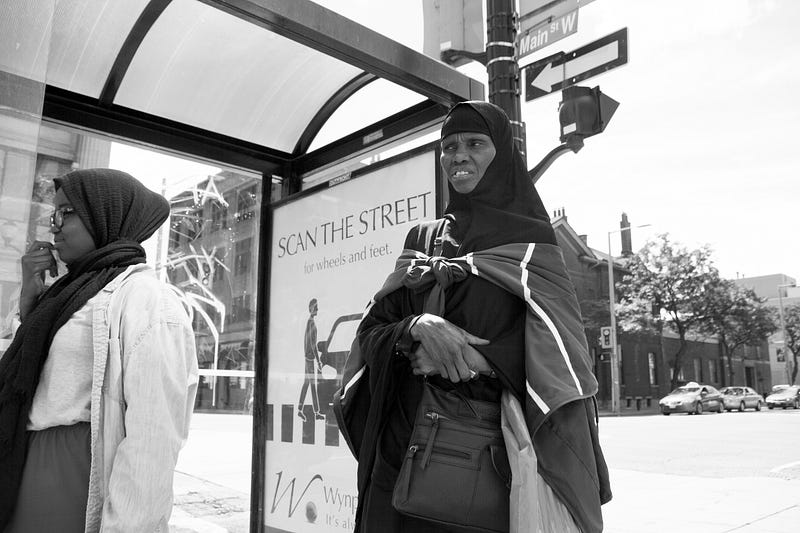
Photo by author.

You can’t always plan stuff like that in a split second.

There’s no reason anymore to be shutter shy

Gone are the days of shooting film as the only option (although film is getting popular again.)

These days you can store hundreds or even thousands of images on a digital memory card. That means you don’t have to be overly selective when shooting digital, as opposed to having 24 frames on a roll of film.

Sure, it might mean wading through more “junk” afterward to find the gems from your most recent photoshoot. It might mean that most of the images get buried in your archives without a second glance, taking up valuable space on your hard drive (I’ve had to buy more than one external drive to store all my “duds”, but it’s worth it.)
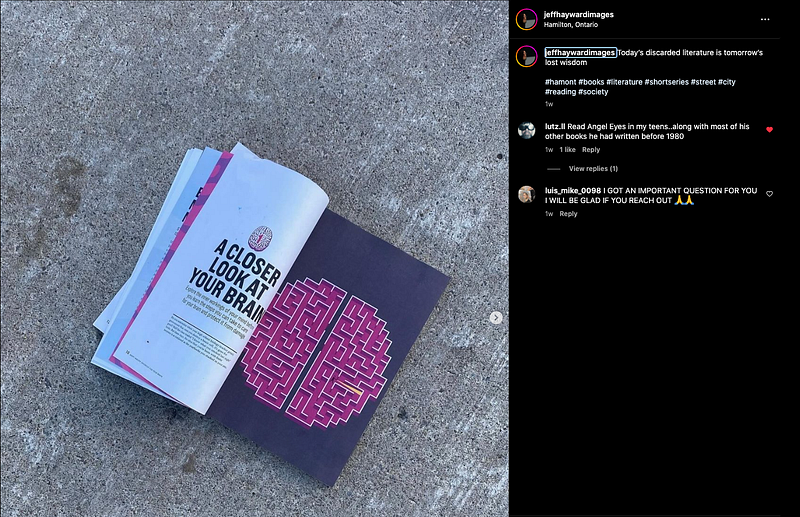
A small series of discarded literature by author. https://www.instagram.com/p/CzxDmJZue3n/?img_index=1

That’s because what you consider a dud today may not still be a reject in the future. There could be a photo contest (like this one from Sony) or a themed photo show that you happen to already have images for, like I did for Golden Hour.

There could be a call for stock images of certain scenes or objects, and you just might already have those waiting in your archives (just be aware whether or not you need a model release for commercial use.)

You could be asked to contribute photos of a person or animal to a memorial, and you’ll be glad you took them.

You may realize upon second inspection that the photos you considered rejects one day are beautiful the next. (This is one of the reasons why you should comb through your photo library and re-edit old shots, realizing their potential.)

You may come across an older photo that you took half-heartedly, that perfectly depicts how you’re feeling at the moment.

And what is photography, if not a form of personal expression?

Photography
Advice
Tips
Creativity
Full Frame
Recommended from ReadMedium