
Why You Should Definitely Read “The Power Of Habit”
A Short Summary Of The Most Important Points
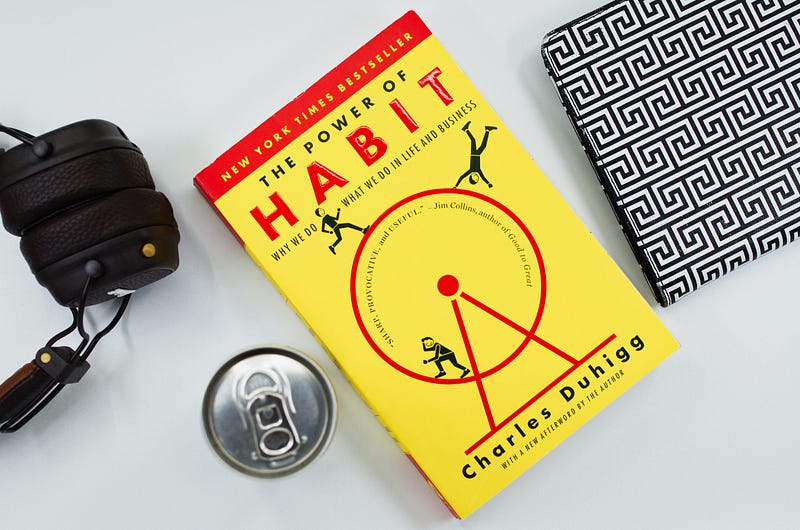
The moment I started reading this book, I noticed that it’s different. The stories that spread across the whole book took me in a state of flow and habits finally seemed to make sense in real-life contexts. Reading was effortless.
In an amazing and extraordinary manner, Charles Duhigg explores the science and psychology behind habits and how they can be transformed rather than deleted.
In his approach, Charles mentions the story of the laboratory young woman who quit smoking and alcohol, ran a marathon, recovered from a toxic relationship, and was promoted at work in less than two years. The story of the success of Olympic swimmer Michael Phelps, Starbucks CEO Howard Schultz, and civil-rights hero Martin Luther King, Jr. only serve to demonstrate how habits work and how they change both on a personal and a societal level.
Summary
Have you ever woken up and waited to decide what to do next? Or maybe you were hungry and couldn’t think what to eat? It’s clear that each of us has a kind of preference that takes control immediately when we are in any of these situations. Our everyday choices are largely influenced by our habits.
So what are habits?
Habits, in general, are repetitive, automatic behaviors or routines that are acquired through frequent repetition and become ingrained into our daily lives. They can be thought of as the brain’s way of conserving energy.
“Habits, scientists say, emerge because the brain is constantly looking for ways to save effort. Left to its own devices, the brain will try to make almost any routine into a habit, because habits allow our minds to ramp down more often. This effort-saving instinct is a huge advantage. An efficient brain requires less room, which makes for a smaller head, which makes childbirth easier and therefore causes fewer infant and mother deaths. An efficient brain also allows us to stop thinking constantly about basic behaviors, such as walking and choosing what to eat, so we can devote mental energy to inventing spears, irrigation systems, and, eventually, airplanes and video games.”
The extent to which daily decisions are driven by habits can vary widely from person to person. However, research suggests that a significant portion of our daily actions are influenced by habits.
One study conducted by researchers at Duke University estimated that about 45% of the behaviors people engage in on a daily basis are habitual. These behaviors include routine activities like brushing teeth, getting dressed, and making breakfast. Essentially, these are actions that we perform almost automatically, often without much conscious thought.
The Famous Habit Loop
Every habit consists of 3 main steps:
- Cue: a trigger that reminds you of starting the habit — it can be that you see your tooth brush for example.
- Routine: the act that starts because of the cue — brushing your teeth
- Reward: the feeling of cleanness and white teeth after brushing
“If you want to start running each morning, it’s essential that you choose a simple cue (like always lacing up your sneakers before breakfast or leaving your running clothes next to your bed) and a clear reward (such as a midday treat, a sense of accomplishment from recording your miles, or the endorphin rush you get from a jog). But countless studies have shown that a cue and a reward, on their own, aren’t enough for a new habit to last. Only when your brain starts expecting the reward — craving the endorphins or sense of accomplishment — will it become automatic to lace up your jogging shoes each morning. The cue, in addition to triggering a routine, must also trigger a craving for the reward to come.”
In any new habit, the key to success in creating the habit is adding a simple step — that is craving — to the habit formation formula.
We are humans, we are often motivated by expectations. Imagine that you want to start a habit of reading.
- Cue: Seeing the book in front of your desk in the morning.
- Routine: Reading the book.
- Reward: Enjoying a cup of coffee while reading.
- Craving: It’s the act of imagining the taste of coffee that you’d only get if you read the book.
Cravings are essential to making habits; by mixing work and reward, we maintain a balance that maximizes our productivity and makes our work more enjoyable.
The Golden Rule Of Habit Change
“His coaching strategy embodied an axiom, a Golden Rule of habit change that study after study has shown is among the most powerful tools for creating change. Dungy recognized that you can never truly extinguish bad habits. Rather, to change a habit, you must keep the old cue and deliver the old reward, but insert a new routine. That’s the rule: If you use the same cue and provide the same reward, you can shift the routine and change the habit. Almost any behavior can be transformed if the cue and reward stay the same.”
The Golden Rule of Habit Change is a fundamental principle that guides the process of modifying or changing habits effectively, and it’s one of the most important highlights of the book. The Golden Rule consists of three key components:
- Keep the Same Cue: The first part of the Golden Rule is to keep the cue or trigger that initiates the habit the same. This means you don’t try to delete the external or internal cue that prompts the habit. Cues are often hardwired into our routines, and trying to eliminate them can be challenging or impractical.
- Keep the Same Reward: The second part of the rule is to preserve the reward or satisfaction that you get from the habit. The reward is what reinforces the habit and makes it more likely to repeat. Instead of depriving yourself of the reward, aim to identify a healthier routine that can deliver a similar reward — not necessarily the exact same reward.
- Change the Routine: The most important aspect of habit change is to replace the old routine with a new, more desirable one. This new routine should respond to the same cue and provide a similar reward but should also align better with your goals or values.
Here’s an example of the Golden Rule of Habit Change:
Old Habit (Unhealthy Habit):
Cue: Feeling stressed after work. Routine: Smoking a cigarette. Reward: A sense of relaxation and stress relief.
New Habit (Desired Habit):
Cue: Feeling stressed after work. Routine: Going for a brisk walk and practicing deep breathing. Reward: A sense of relaxation and stress relief but with the added benefit of improved health and well-being.
In this example, the cue (stress) and the reward (relaxation) remain the same, but the routine has been changed from smoking to going for a walk and practicing deep breathing. This adheres to the Golden Rule of Habit Change, as it retains the cue and the reward while replacing the undesirable routine with a healthier alternative.
The Unmoving Belief That Change Is Possible
“There is, unfortunately, no specific set of steps guaranteed to work for every person. We know that a habit cannot be eradicated — it must, instead, be replaced. And we know that habits are most malleable when the Golden Rule of habit change is applied. If we keep the same cue and the same reward, a new routing can be inserted. But that’s not enough. For a habit to stay changed, people must believe change is possible.”
Belief is the most important step in any change process; actually, any process can only start with it.
One of the main points of this chapter of the book is the importance of shared belief — that is the encouragement that you get from engaging with a group that goes through the same change process. For example, joining Alcoholics Anonymous or NoFap communities to leverage the strength of belief.
Keystone Habits
“…some habits have the power to start a chain reaction, changing other habits as they move through an organization. Some habits, in other words, matter more than others in remaking businesses and lives. These are “keystone habits,” and they can influence how people work, play, live, spend and communicate. Keystone habits start a process that, over time, transforms everything.”
Keystone habits are ones that have the power to trigger a cascade of positive changes in various areas of your life. These habits act as catalysts for other beneficial behaviors, leading to a domino effect of self-improvement that spills into every area of your life.
Key characteristics of keystone habits include:
- High Impact: Keystone habits have a disproportionately positive impact on your life. Changing or establishing these habits can lead to significant improvements in more than one area.
- Behavioral Ripple Effect: When you adopt a keystone habit, it often creates a ripple effect, influencing other behaviors. For example, regular exercise (a common keystone habit) can lead to improved eating habits, better sleep, higher energy, increased productivity, and reduced stress.
- Motivation and Confidence: Success in maintaining a keystone habit can boost your motivation and self-confidence. Achieving one positive change encourages you to tackle others.
Here are a few examples of keystone habits:
- Exercise: Regular exercise is a classic keystone habit. When you exercise regularly, you’re more likely to make healthier food choices, get better sleep, manage stress effectively, and even become more productive.
- Healthy Eating: When you make conscious choices to eat well, you may find it easier to break unhealthy habits like excessive snacking or consuming sugary drinks even though you might not have intended to break them. This habit can also lead to improved energy levels and better overall self-confidence.
- Daily Planning: Developing a habit of planning and organizing your day can have amazing effects on your entire life. It can lead, for example, to increased productivity, reduced procrastination, and better time management, ultimately improving your work and personal life.
Conclusion
All change starts with awareness, and I would not recommend a better book to start your awareness journey with than “The Power of Habit”. The author has gone above and beyond to explain the necessary steps for habit change, which has the power to positively influence all areas of your life.


