avatarMarne Platt

Free AI web copilot to create summaries, insights and extended knowledge, download it at here

2289

Abstract

donate an organ. We can volunteer on a crisis line. We can adopt a child. But most of us go through our own lives never knowing if our actions have had a real impact.</p><p id="29e5">Adopting a shelter dog does just that. While more and more shelters are keeping pets until they are placed, many must still put unadopted pets to sleep. Giving an abandoned pet a new home opens the door to a new chance at life.</p><h1 id="e873">Training? Check!</h1><figure id="dc94"><img src="https://cdn-images-1.readmedium.com/v2/resize:fit:800/1*0EDgz2JyIMceooqb5pYLOg.jpeg"><figcaption>Photo by Mircea Iancu on Pixabay</figcaption></figure><p id="6abd">Training a puppy is a major <a href="https://www.akc.org/expert-advice/training/potty-training-your-puppy-timeline-and-tips/">investment in time</a> and patience. They don’t know where and when to do their business, how to walk on a leash, how to sit and stay on command, how to wait for food or a treat. But many shelter pets are adults. While they might need <a href="https://www.paws.org/resources/re-housetraining-your-adult-dog/">a short refresher</a>, and you will need to learn their signals, adult pets in shelters are more likely to be housebroken, leash-trained or litterbox trained. A lot of the hard work is done!</p><h1 id="d97f">Choose from many breeds — or none</h1><p id="bd0d">Unlike breeders, shelters have dogs of all shapes and sizes. Cuddly pugs, curious beagles, and noble hounds are all available. So are mixed breed dogs of all shapes and sizes. Whatever you’re looking for, you’ll find a dog who fits you at a shelter. You might even find a pet that looks like you!</p><figure id="f6e8"><img src="https://cdn-images-1.readmedium.com/v2/resize:fit:800/1*Fym51mZuPbZFppz2yijzVQ.jpeg"><figcaption>Photo by Lee Actigal on Flickr</figcaption></figure><h1 id="e7c0">Pay less</h1><p id="3100">Pet ownership costs money. Purebred dogs and cats can cost hundreds or even thousands of dollars. Add in food, beds, toys, and veterinary bills and the costs quickly add up. Don’t adopt a pet if you can’t afford food and basic health care, including vaccines and parasite prevention. Veterinary practices are not charities.</p><p id="9ddd">But you can decrease your upfront cost by adopting a pet from a shelter. Shelter dogs are normal

Options

ly spayed or neutered, vaccinated dewormed <a href="https://www.ovrs.com/blog/mutts-vs-purebreds/#:~:text=Upfront%20costs%20%E2%80%93%20Purebred%20pets%20tend,neutered%2C%20vaccinated%2C%20and%20microchipped.">before adoption</a>. Shelters generally charge much lower adoption fees. Your money goes to support their work with even more homeless dogs and cats</p><h1 id="d5a7">Shelter pets receive good medical care</h1><figure id="a642"><img src="https://cdn-images-1.readmedium.com/v2/resize:fit:800/1*84zN4xpBlsORs7ouJ-65uA.jpeg"><figcaption>Image by J C on Pixabay</figcaption></figure><p id="6758">Reputable shelters work with veterinarians to vaccinate and treat your new friend for parasites, including deadly heartworm disease, dangerous worms and itchy fleas. Many will also spay or neuter the dog before adoption. In the US, the <a href="https://www.sheltervet.org/">Association of Shelter Veterinarians</a> issues guidelines for standards of care in shelters. Shelter staff can tell you about your new dog’s overall health and any behavioral quirks. They can also refer you to a good local veterinarian, if you don’t already know one. When you have a dog, his or her veterinarian is your other family doctor.</p><h1 id="0c02">Bring home a lifelong friend</h1><figure id="af8d"><img src="https://cdn-images-1.readmedium.com/v2/resize:fit:800/1*U2FLRotU2U9g8bzDRhRu5Q.jpeg"><figcaption>Photo by Markus Trier on Pixabay</figcaption></figure><p id="efe1">Your own Buddy, or Tinkerbelle, or Mop & Glo could be waiting for you. Adopting a dog makes a real difference, in your life and theirs. If you’re thinking of opening your home to a new friend, consider finding them at a shelter. Visit the <a href="https://www.aspca.org/adopt-pet">ASPCA</a> or ask your veterinarian to recommend a reputable local shelter.</p><p id="8540">Pet adoption is a lifelong obligation. It pays off in priceless, immeasurable, unconditional love.</p><figure id="1667"><img src="https://cdn-images-1.readmedium.com/v2/resize:fit:800/0*kvEM1uT764HElzBw"><figcaption>Photo by <a href="https://unsplash.com/@jamie452?utm_source=medium&amp;utm_medium=referral">Jamie Street</a> on <a href="https://unsplash.com?utm_source=medium&amp;utm_medium=referral">Unsplash</a></figcaption></figure></article></body>

Adoption is for life. Yours and Theirs.

Why You Should Adopt Your Dog From a Shelter

Find a friend, save a life.

Photo by Nick115 on Pixabay

Are you thinking of sharing your life with a dog? Pet adoptions and fosterings are surging in these corona times, with reports from New York and across the US that Americans have opened their hearts and homes during shelter in place and quarantine orders. Pets provide love, companionship, laughs and a sympathetic ear, and they are generally good for your mental and physical health.

In 25+ years as a veterinarian, I have known many wonderful dogs, and seen many wonderful dog-owner friendships. There’s something special about the shelter/rescue dogs.

Buddy, half golden retriever/half Basset hound, whose owner wore a ‘Me & My Buddy’ T-shirt with a picture of the two of them.

Tinkerbelle, a 50-pound mixed-breed tripod dog (only 3 legs) who ran around with the family’s children all day.

Mop & Glo, a tiny grey-white lap dog who spent her time by her elderly owner’s side, watching TV and barking at the bad guys.

All found by their owners at a shelter, and all living in the unique bond that unites dogs and their people.

If you’re about to welcome a dog into your family, please consider adopting one from a shelter. Why? Here are 5 of the best reasons.

You can save a life
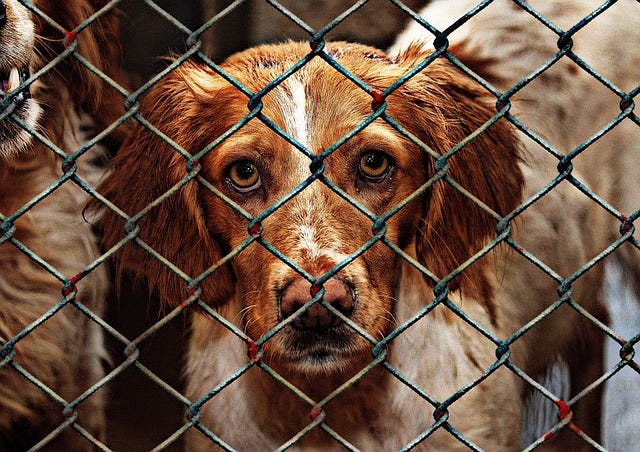
Photo by Alexas Photos on Pixabay

In our increasingly selfish world, we have very few chances to genuinely save a life. We can wear masks. We can donate an organ. We can volunteer on a crisis line. We can adopt a child. But most of us go through our own lives never knowing if our actions have had a real impact.

Adopting a shelter dog does just that. While more and more shelters are keeping pets until they are placed, many must still put unadopted pets to sleep. Giving an abandoned pet a new home opens the door to a new chance at life.

Training? Check!
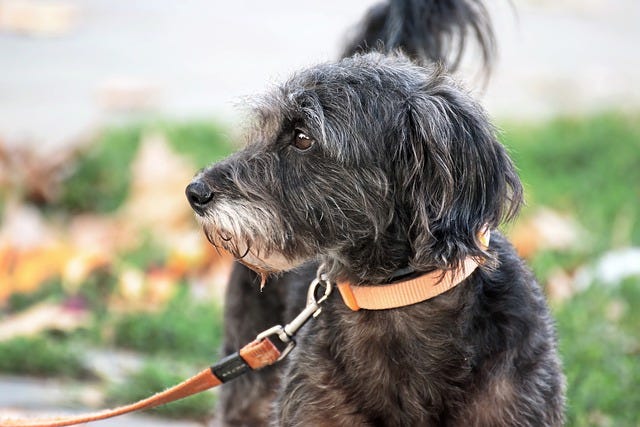
Photo by Mircea Iancu on Pixabay

Training a puppy is a major investment in time and patience. They don’t know where and when to do their business, how to walk on a leash, how to sit and stay on command, how to wait for food or a treat. But many shelter pets are adults. While they might need a short refresher, and you will need to learn their signals, adult pets in shelters are more likely to be housebroken, leash-trained or litterbox trained. A lot of the hard work is done!

Choose from many breeds — or none

Unlike breeders, shelters have dogs of all shapes and sizes. Cuddly pugs, curious beagles, and noble hounds are all available. So are mixed breed dogs of all shapes and sizes. Whatever you’re looking for, you’ll find a dog who fits you at a shelter. You might even find a pet that looks like you!
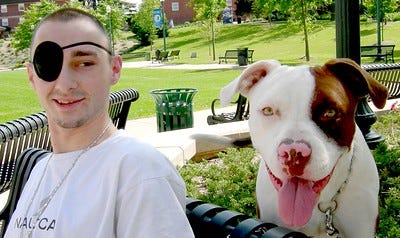
Photo by Lee Actigal on Flickr

Pay less

Pet ownership costs money. Purebred dogs and cats can cost hundreds or even thousands of dollars. Add in food, beds, toys, and veterinary bills and the costs quickly add up. Don’t adopt a pet if you can’t afford food and basic health care, including vaccines and parasite prevention. Veterinary practices are not charities.

But you can decrease your upfront cost by adopting a pet from a shelter. Shelter dogs are normally spayed or neutered, vaccinated dewormed before adoption. Shelters generally charge much lower adoption fees. Your money goes to support their work with even more homeless dogs and cats

Shelter pets receive good medical care
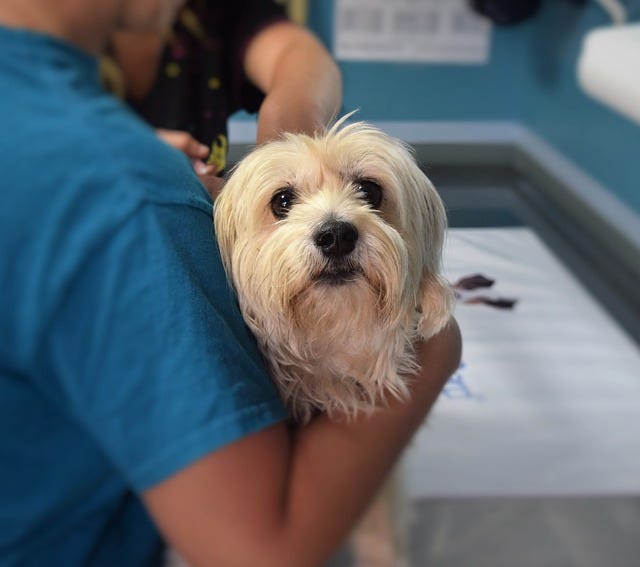
Image by J C on Pixabay

Reputable shelters work with veterinarians to vaccinate and treat your new friend for parasites, including deadly heartworm disease, dangerous worms and itchy fleas. Many will also spay or neuter the dog before adoption. In the US, the Association of Shelter Veterinarians issues guidelines for standards of care in shelters. Shelter staff can tell you about your new dog’s overall health and any behavioral quirks. They can also refer you to a good local veterinarian, if you don’t already know one. When you have a dog, his or her veterinarian is your other family doctor.

Bring home a lifelong friend
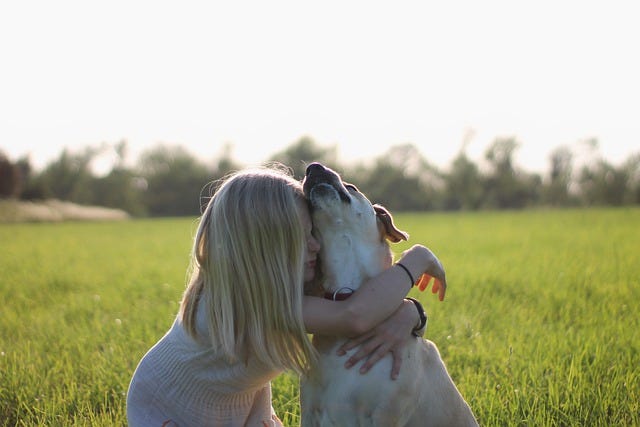
Photo by Markus Trier on Pixabay

Your own Buddy, or Tinkerbelle, or Mop & Glo could be waiting for you. Adopting a dog makes a real difference, in your life and theirs. If you’re thinking of opening your home to a new friend, consider finding them at a shelter. Visit the ASPCA or ask your veterinarian to recommend a reputable local shelter.

Pet adoption is a lifelong obligation. It pays off in priceless, immeasurable, unconditional love.
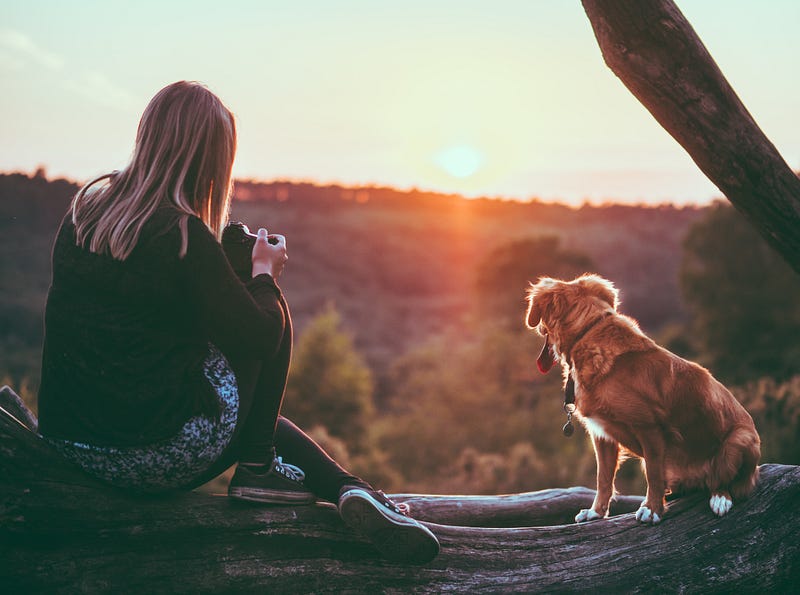
Photo by Jamie Street on Unsplash
Pets
Love
Dogs
Adopt A Pet
Friendship
Recommended from ReadMedium