
Why You Need To Take Control of Your Personal Data
Data security works best when we all work together.
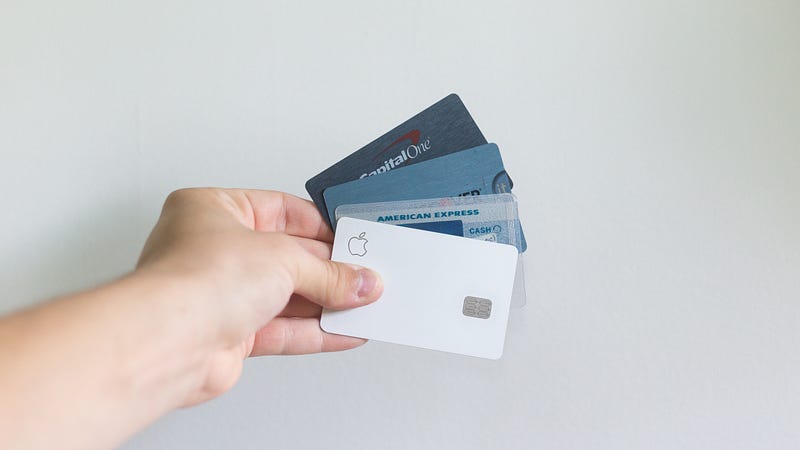
Cybercrime is not a problem that is going to go away any time soon. In the first quarter of 2020, data breaches exposed over 8 billion records — an increase of more than 250% from the previous year — and this only counts those breaches that have been reported or discovered. The actual number could be higher.
Of those data breaches, over 85% were financially motivated, with the rest being mostly related to industrial or political espionage.
How does this happen? Half of all breaches occur through active hacking by bad actors, with the rest divided between malware infection and data exposed through phishing and social engineering.
None of these numbers are good, to say the least. If you’ve been careless with your data or personal internet security, it’s time to sit up and take notice.
Is it really that important?
Yes. Consider this:
Your private information, such as social security numbers, credit card details, logins, and passwords, are usually seriously compromised long before you’re notified.
Shark CyberTech notes that “most companies take nearly 6 months to detect a data breach, even major ones.” Even more alarming, 77% of businesses and other organizations don’t have a cybersecurity incident response plan in place at all.”
This means protecting your sensitive data is largely up to you.

What To Do
As soon as you hear about a data breach involving a business or organization you have given data to, take immediate steps to protect yourself. This could include:
- Canceling or changing credit card accounts.
- Enrolling in a credit monitoring program.
- Closing compromised accounts.
- Changing passwords.
- Engaging two-way authentication for any account activity.
If it’s a computer operating system or network you often communicate with, other steps you could take are:
- Running the latest virus and malware detection software on your computers and devices.
- Checking your system permissions settings and firewalls, if applicable.
- Checking what apps on your mobile devices have permission to access data. In fact, it may be best to turn off as many permissions as you can.
- Install any system or device updates available.
At the Very Minimum
The above steps will all go a long way in empowering you to personally protect your data. Granted, some suggestions are more simple than others.
At the very least, you should:
- Make sure you use strong passwords — passwords that contain a combination of letters, numbers, and special characters, and nothing that has recognizable words or significant dates.
- Be careful clicking on any links provided in suspicious emails or text messages. If you receive an unexpected email or message from a trusted source and are not sure if it’s legitimate, contact the source directly by phone.
- Avoid downloading any unexpected attachments — even those from seemingly trusted sources. Hackers are very adept at disguising malware attacks as legitimate files.

Security is everyone’s responsibility
I get it. When we agree to do business with a company, we expect them to keep our personal data absolutely private. Having that trust broken is hard — particularly when it puts us at financial or personal risk.
Let’s agree that smart, secure handling of personal information is best when it’s a cooperative effort. No business is trying to fail you, but the fact is that cybercrime is an ever-present, ever-increasing problem. Breaches will happen from time to time. Businesses are doing everything they can because they want you to remain with them.
That said, it’s also on you to step up and take action when necessary. In a perfect world, you’d never have to make any use of the above security tips and suggestions.
But things happen, and it’s always best to be prepared.
It’s your data, after all.
Thank you for reading. I’d love to share more with you via my Bi-Weekly Word Roundup newsletter sent to subscribers every other Sunday. It will feature news, productivity tips, life hacks, and links to top stories making the rounds on the Internet. You can unsubscribe at any time.


