
Be Better
Why You Need to Learn to Like Yourself
Simple solutions to help you learn to like yourself.

“If you don’t like someone, the way they hold their spoon will make you furious. If you do like them, they can turn their plate over in your lap, and you won’t mind.” — Irving Becker
Another blogger I follow used this quote in her newsletter last week. Since I read it, I haven’t been able to get the quote out of my mind.
The other blogger used the quote as a catalyst for discussing our relationships with others. Yet, the words have just as much meaning when thinking about ourselves.
When you have a mental illness, it’s pretty common to dislike yourself. The voices in your head may tell you that you are no good, a failure and that nobody loves you. Those beliefs only make things worse.
Why do you need to learn to like yourself? How can you learn to change the messages in your head? Does it matter what you think? This post will answer those questions and more.
Does It Matter What You Think?
Words have power, even when they are not spoken. It’s the reason why our world is filled with advertising. From billboards to pop-up ads, words are everywhere.
There are many words that no one else hears. They are the ones you say to yourself, the ones you write in your journal.
Usually, we don’t think about those words because they are only uttered in our safe places. Those words, though, are just as powerful as any that are spoken.
Too often, your life can become a self-fulfilling prophecy. You tell yourself you can’t do something, and then you can’t. You tell yourself that you will fail, then most of the time you won’t succeed.
I’m no stranger to these words. The messages playing in my head are just as nasty. The morning starts with me telling myself that I’m a failure, that I don’t succeed at anything, and that no one really wants to spend time with me.
Yes, I know that those words are false, at least to some extent. Still, those are the messages that resound in my head. That negative trend is something I’m working to change because I know how important it is to learn to like yourself.
How Do You Change Your Thoughts?
Here’s a simple truth. Changing your thoughts is as easy as thinking differently. “Um, duh!” you’re probably thinking, but it really is that simple.
I hate being identified by my illnesses. When I got tired of that being my only identity, I decided to just start telling everyone that I was “good” whenever they asked. Most of the time, that response was wildly inaccurate, but I still said it.
An interesting thing happened. In the weeks that followed, as I stuck to my guns and told everyone that I was “good,” I actually started to feel somewhat better. My health conditions didn’t go away, and my mental illness wasn’t cured, but I did feel a little bit better.
That taught me the value of putting an end to negative self-talk.
The same is true for you. The easiest way to change your life is to start by changing the things you tell yourself. It’s the first step on your journey to learn to like yourself.
There’s no denying that it’s not an easy process. Likely, you have been telling yourself the same things for a while, possibly for decades. Still, that doesn’t mean that you’re unable to change the message starting today.
Why Do You Need to Change the Message?
Let’s go back to our opening quote. When talking about liking someone, I love the part, “they can turn their plate over in your lap, and you won’t mind.” How true that is!
When we love someone, say our partner or child, we find it easy to turn a blind eye to their mistakes. This blindness is especially true at the beginning of a relationship. Affection for someone makes our view or their actions different.
On the other hand, when someone already gets on our last nerve and then they do something irritating, it may send us into a tirade. This may be true even if they do the exact same thing as the person we love.
Now, take that thought process and think about yourself. If you don’t like yourself and make a big mistake, you will probably punish yourself severely. There may be no end to the awful things you tell yourself. Even a small transgression will feel like an epic failure.
Switch that around, though, and everything changes. If you like yourself, you’re most inclined to offer yourself grace, just as you would to your child or mate. You can acknowledge the misstep, forgive yourself, and move forward.
You still made the same mistake, but your attitude towards yourself changes its implications. That’s the value you gain when you learn to like yourself.

Will It Happen Quickly?
Let me share a bit of my story. I am 47 years old. I was diagnosed with Bipolar Disorder when I was 23. By that point in my life, I had already developed an entire belief system that lauded just how awful a person I was.
In my late twenties, I spent a lot of time in talk-therapy. It taught me new ways of thinking about and treating myself, but the old messages were still there. When I am tired or make mistakes, those negative cheerleaders are only too happy to rise from the ashes and start bashing me again.
My point is, twenty-four years later, I still haven’t mastered it. I’m still learning to like myself.
Likely, you are quicker than me, so you’re process will go faster, but it won’t happen overnight. You will have to put in the time and effort to change your messages, to learn to like yourself, and to be willing to start over every time you slip back into the old ways.
The effort is worth it. Yes, on far too many mornings, I still wake up with the “I’m a failure” soundtrack playing in my head. Those words may always be with me.
However, the good news is, now they don’t control me. I know how to silence the false statements quicker and to stop the barrage before it devastates me.
Progress may feel slow, but you will get there. Keep trying.
Your Assignment
This week, take a little time to think about the messages playing in your head. What’s your soundtrack? Is it accurate?
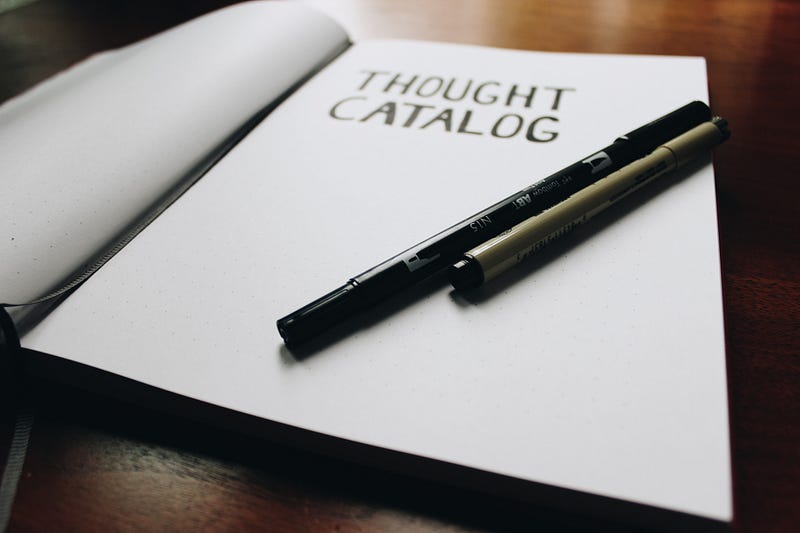
It’s often helpful to write those thoughts down. Take a piece of paper, turn it sideways (landscape), and write your current messages on the left side of the page. It’s okay if it takes a while or more than one piece of paper. Write them down, so you can see in tangible form what is going on inside your head.
Once that side of the page is done, now go down the right side of the page and write a better phrase you can tell yourself. Write an affirmation that will help you to learn to like yourself.
For instance, “I’m a failure” can be changed to “I write words that have touched other people.”
“No one likes me” can be altered to “Friend A always says how much she misses me.”
Then, in the coming days and weeks, as those old voices start to play in your head, look at your paper and say the new sentence you wrote. Better yet, say the new message out loud. Tell those nagging voices they are wrong and combat them with the real truth.
Again, it will take some time, but it won’t be long before you can feel the difference and learn to like yourself.
Learning to love yourself will not only change how you view yourself and your actions, but it will also affect how you care for yourself. Yes, both your mental and physical health can improve. The power for change is in your hands, so go find some paper and get to work.
Until next time, keep fighting.
Sign up for my FREE Sunday All Things Bipolar Newsletter (off-site link) and I’ll send you a few downloadable gifts to improve your life.
Originally published at https://speakingbipolar.com on July 29, 2019.


