
Why you don’t sleep well
And how to change that
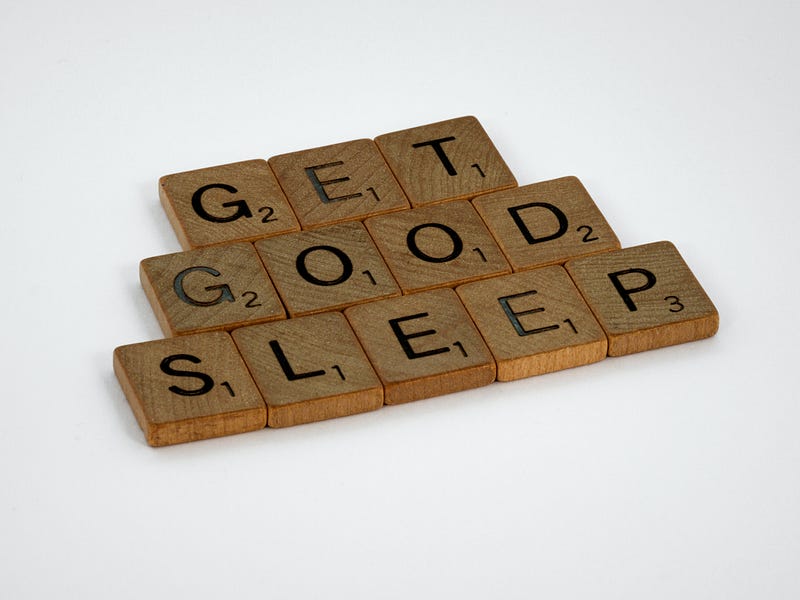
“For a healthy lifestyle, you need to get 8 hours of sleep each night”
“You should have a constant sleeping schedule”
“Don’t eat after 8 pm”
I bet you’ve heard all of the above many times. I definitely did. And to be frank they are all true. If you want to get proper rest, you need to follow those basic rules.
But as you well know, beauty lies on the inside, so let me tell you what you need to subtract from those quotes above and some other tips to make you feel energized after a good night’s sleep.
Quantity of sleep
Sleeping 8 hours per night is very important. But turning off your TV at 11 pm and saying you’ll go to bed and then waking up at 7 am doesn’t result in 8 hours of sleep. More like 7 or 6 and a half.
I usually need about 30–45 minutes to fall asleep, so try to get in bed about half an hour prior to you actually falling asleep.
2. Quality of sleep
After you made sure you sleep enough, now you got to sleep well.
How can you achieve that?
Caffeine — everybody knows that caffeine is in your body for around 5–7 hours.
But let me tell you the actual answer is more like 12–14 hours. So that cappucino you drank at 6 pm will still be in your system at 2 am. My advice would be to stop drinking caffeinated beverages after 2 pm.
Blue light — your brain is getting ready for sleep by producing melatonin. That’s a hormone that induces sleep. It’s produced when it’s night, so when the amount of light your eyes receive decreases.
Staying on your phone or watching TV in bed will reduce the production of melatonin and therefore decrease the ability to fall asleep and also the quality of sleep.
Eating — late dinners are(as they say) bad for your sleep. The explanation is that after you eat a big meal, whether it’s at breakfast, lunch, dinner, or in between, your body requires a lot of energy to process the food.
If your body is working hard, it can’t also give you a deep sleep. So try to eat sooner, or divide your meals so that you won’t eat a lot very late.
Exercise — getting some form of exercise during the day is also important for your sleep quality. If you stay in bed all day, chances are your body won’t be that tired at night, so it won’t require sleep that badly. Meanwhile, when you exercise, you make your body tired, and sleep is the only way it can regenerate.
From running to lifting weights, any form of exercise will be benefic for your sleep.
Stress — one key factor for sleep disorders is high-stress levels. Whether it’s from your job, kids, your car broke down, or whatever, being stressed will reduce the quality of your sleep drastically.
Reducing stress can be achieved by meditating, yoga, exercising, or practicing any hobby you like.
Maintaining that sleeping schedule
For a better life and more energy throughout the day, you need your sleep to be good every day. Having a constant sleep schedule can only be obtained by going to bed and waking up at the same time every day no matter if it’s weekend or not. Of course, some exceptions won’t ruin everything, but consistency is key.
The last key factor to your success with sleeping well is to follow me on Medium since it’s the best way to keep up with my articles every day! Also, it’s free and will help me out very much!
If your read this far, I appreciate you and wish you a great day!
I’m eager to hear any questions or comments you may have.


