
Why You Don’t Have to Hide Your Vulnerability
However scared you are
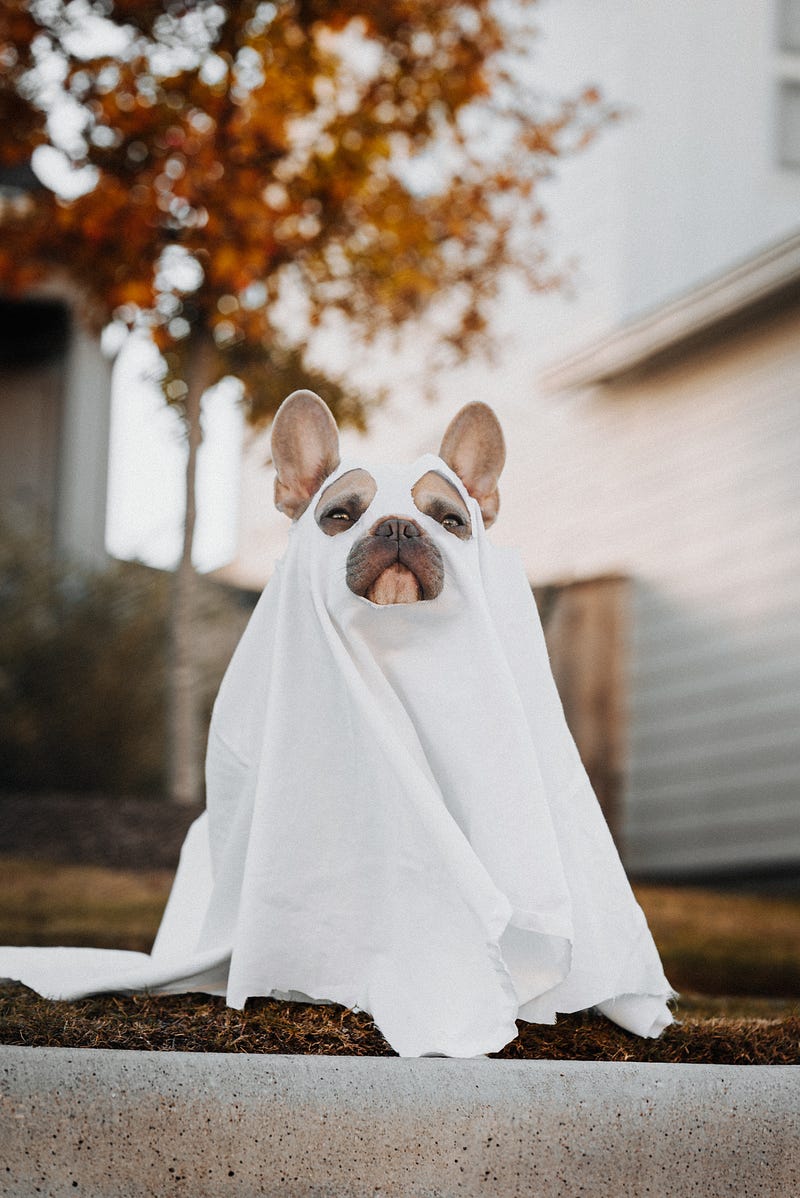
What is it about feeling vulnerable?
I’ve had many times when I’ve felt vulnerable and exposed. One of the times was sitting on the toilet in a Russian station because the toilet door was from chest height to calf.
You feel very vulnerable trying to have a pee when you can see everyone going past. Logically you know they can’t see you, but you still feel very exposed.
But mostly, I felt vulnerable over the years because I was afraid of the emotional risk of being open. I was scared of being rejected.
Why do people fear being vulnerable?
Vulnerability, like every other emotion, is neutral.
You don’t have to embrace your vulnerability, nor do you have to fear it. It’s just another emotion created by thought.
When you try to avoid vulnerability, you shut down the capacity for feeling emotion. You become a void. A vacuum. And, as we all know, the saying that ‘nature abhors a vacuum’, you’ll do anything you can to fill the void, including drugs, food, alcohol or whatever you think will make you feel better.
Feeling vulnerable isn’t nice, and so some people do their best to avoid the feeling by, as I’ve said, closing themselves off from emotion or trying to numb the feeling. But numbing vulnerability doesn’t just deaden the pain; it can deaden all feelings, including love and joy.
You can’t selectively numb the feelings you want to, just like you can’t selectively lose weight from just one area of your body, “I just want to lose the arm fat,” you might say, “not the boobs,” but you can’t, and when you numb the pain, you numb the possibility of any joy.
Attempting to numb your feelings increases a sense of isolation, and psychological isolation can be terrifying. It can lead to a feeling of hopelessness and desperation which can, naturally, leave you feeling even more vulnerable.
But what is vulnerability?
What makes people feel vulnerable? The feeling stems from fear; it’s a fear of being hurt and being attacked or harmed somehow.
If you’re in a potentially violent or unstable environment and you feel as if you’re vulnerable to being attacked or harmed, I encourage you to get out as quickly as you can.
But, if the feeling of vulnerability comes from the fear of being emotionally hurt or potentially verbally attacked, it’s only the thought of what might happen if you open yourself up to life that’s hurting you right now.
Feeling vulnerable
Some people use humour to deflect feeling vulnerable, especially if they’ve been bullied. The comedian and actor, Lenny Henry, said that he used to get bullied at school, and comedy became his weapon to deal with it.
Humour is a wonderful asset, but sometimes people use humour as a shield to hide behind because they’re frightened of showing others what they consider to be their authentic self, to show their vulnerability.
But, if you see that when you’re being humorous and showing up as a more confident person, at that moment, you aren’t feeling vulnerable. You’ve let go of the vulnerable thoughts to have a fresh thought about being funny.
You could feel vulnerable in a relationship if you feel that the other person might leave you or stop loving you, but when you see that your own thoughts generate fear, you can let go of the feeling and be present to the relationship.
If you feel that your partner wants to leave, you’ll be ultra alert to any signals, and this will feed your vulnerability. Remember, your happiness or security can’t come from someone else but only from your thoughts about the other person and what you imagine they’re thinking and feeling.
You might feel vulnerable working in a company that is making cuts, but, again, the feeling is coming from what you imagine this means for you. You’re probably thinking about the consequences of not having a job or imagining that you won’t ever be able to get another job, so the feeling isn’t coming from your position but your head.
And, if you have a head full of thoughts about being made redundant, you don’t have your mind on the job you’re doing, which will make you feel less confident about holding your position.
There are occasions when recognising vulnerability is necessary; if you have a compromised immune system, for example, and fear that you’re likely to pick up an infection, you don’t want to put yourself in a situation where you be vulnerable to germs.
But again, it’s important to be vigilant, but fearful thoughts on the subject are not compulsory. I had a client in her mid-thirties who felt highly vulnerable to serious illness. She hadn’t had more than a dose of flu in her life, but she lived on high alert, constantly scanning her body for signs of disease and panicking if anyone she knew was diagnosed with cancer or anything that she considered life-threatening.
When she saw that she was a healthy young woman and the vulnerability was created via thought, she was able to relax; as she relaxed, she let go of the stress that she was experiencing and consequently felt much better, and she could see that she was no more vulnerable to disease than anyone else.
Feeling vulnerable isn’t saying anything about who you are; it doesn’t mean you’re a scaredy-cat or a quivering jelly; it’s just how you feel right now.
And vulnerability is part of your emotional package; it isn’t good or bad until you think it is.
“Vulnerability is not knowing victory or defeat, it’s understanding the necessity of both; it’s engaging. It’s being all in.” Brene Brown