

Why You Can’t Put Down Your Phone
Treat tech as tools for your goals — not plastic pacifiers.
Everywhere you go, you see people burying their faces in phones. At restaurants, concerts, parties — even just walking down the street.
Their devices have an almost hypnotic hold. But why is this ubiquitous modern behavior so hard to break?
The answer? You’re fighting a battle against your own brain — and losing.
Social media apps exploit older brain circuits to create compulsive habits.
They are designed to be digital slot machines that dole out variable rewards. Each notification or new post delivers a potent hit of dopamine, the neurotransmitter driving all addictions.
Just like gambling, these apps hook us by giving unpredictable social rewards and validation hits. A browser tab blinks with likes on your update. You anxiously swipe for more…
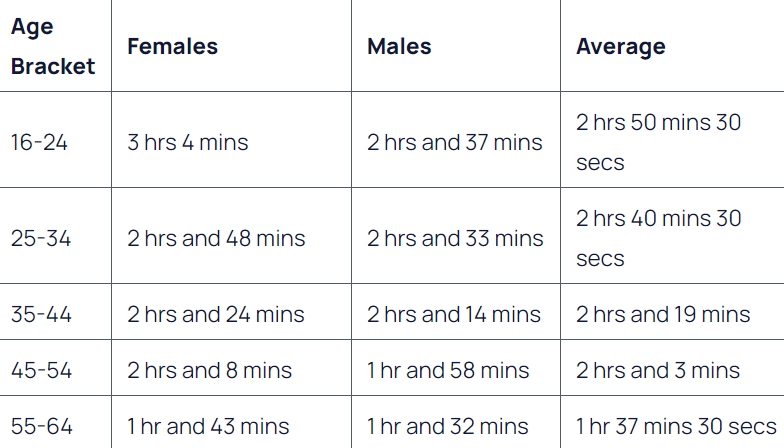
Legendary Vegas architect Bill Friedman openly compared app design to casino psychology:
“They literally want to use the same tricks…” he said, “They want the same wheels going round and round.”
Perhaps most insidiously, these reward cycles are intermittent and random.
Sometimes your recent post gets 20 likes, sometimes zero. It’s never predictable enough to become boring. The uncertain promise of reward is what makes it so gripping. (I don’t care how many claps this post will get, this is not my top priority I guess)
In 2007, the iPhone launched without any social apps. There was no issue.
Facebook didn’t reach 500 million users until mid-2010. And Instagram wasn’t even created until late that year.
So our societal struggle with addictive tech is brand new — we’re infants trying to handle humanity’s latest shiny object.
The battle lines are clear: on one side, a $629 billion industry of app developers and social platforms. Their profit model is harvesting and monetizing your attention.
Explicitly:
- Facebook’s ad revenue in 2021: $114 billion
- YouTube’s ad revenue in 2021: $28 billion
- Snapchat’s ad revenue in 2021: $4 billion
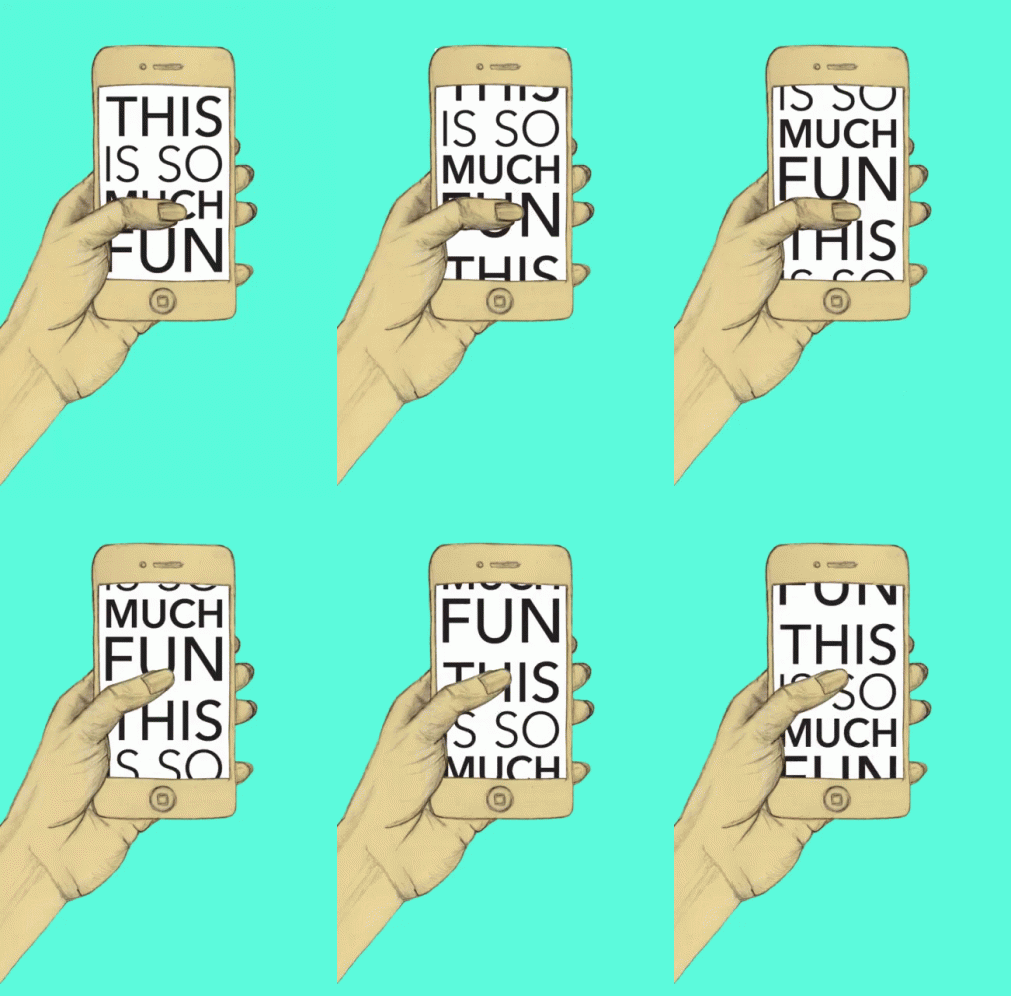
These multibillion-dollar companies trade in your attention, not money. Ads pay them only when you linger and engage with their apps.
So of course, they deliberately make their apps as irresistible as possible. Every aspect — from variable rewards to pull-to-refresh gestures — is scientifically designed to maximize “time on device.”
Ever opened Instagram, mindlessly scrolled a bit, then realized you already checked it 5 minutes ago? No new posts, but you still checked?
That’s the addictive design working as intended. It’s Pavlovian conditioning wired into the software.
But you’re not entirely helpless. There’s an antidote called “digital minimalism” that helps you regain focus.
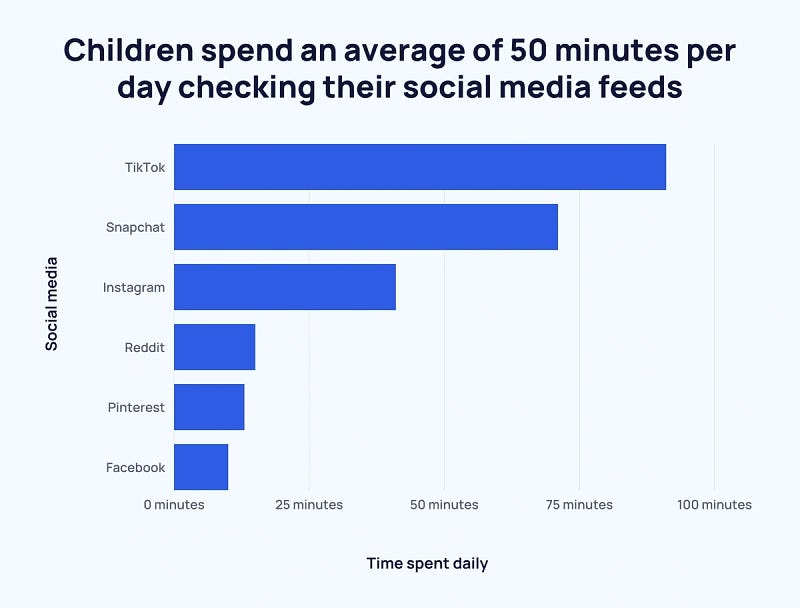
Coined by computer scientist Cal Newport, it’s a philosophy of being more intentional about how you spend your time online:
“Focus your online time on a small number of carefully selected activities that strongly support things you value, and then happily miss out on everything else.”
The first step is questioning each app: What benefits does it truly provide? Is this the best way to get those benefits?
For example, you may think Instagram helps you stay connected with friends and family.
But is passively viewing photos and videos really “connecting”? Wouldn’t a phone call or meetup foster far deeper connection?
If an app doesn’t reliably deliver real value you can’t easily get elsewhere, cut it loose. Rarely is the benefits worth the incessant distraction and wasted time.
Next, optimize essential apps by disabling distracting features.
With Facebook, the main distraction is the News Feed’s infinite stream of low-value posts and engagement bait. So install a browser extension to replace it with an inspiring quote.
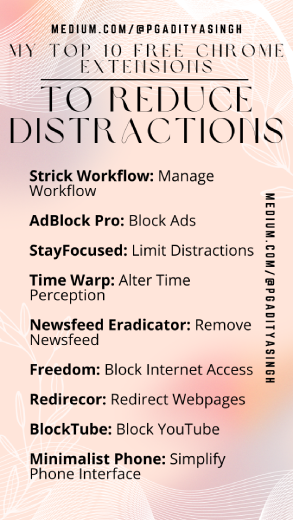
For your phone apps, remove all home screen icons and bury them inside nested folders. Out of sight is out of mind for impulsive device grabs.
You can also use website blockers to strictly limit or schedule access.
Above all, treat tech as tools to enhance your life — not as entertainment babysitters.
These devices and apps are incredibly useful when applied as means to defined ends. But far too many use them as plastic pacifiers, absent-mindedly sucking from the drip feed of lowest-common-denominator content.
CEO Evan Spiegel summed up Snapchat’s philosophy perfectly:
“We’re kind of trying to… make software that delights people and makes them happy.”
You’re outmatched by billion-dollar brain-hackers. But being intentional is the antidote.
Don’t be a lab rat, incessantly prodding for your next pellet of social approval. Be a craftsman using refined online tools to build a life you want to live.
Because while these apps bombard you with empty calories, true nourishment comes from directing your focus toward things you genuinely care about.
Key Stats on Addictive Tech
- By 2025, people will spend 19+ hours per week on social media.
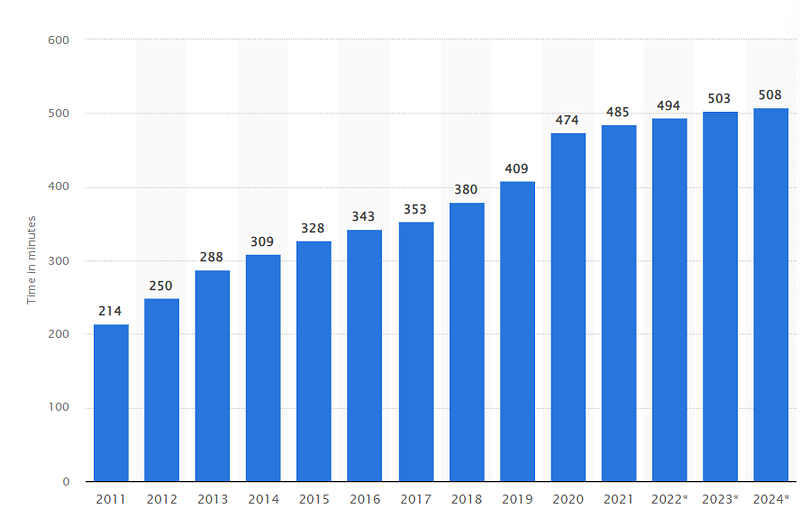
- China, India & South Korea use social media the most (2.9 hrs and 2.4 hrs per day respectively).
- 44% of the world’s population uses social media, up 13.7% since 2021. (Source: DataReportal)
- Median YouTube user is now watching 1hr of video per day. Gen Z: 2+ hrs/day. (Source: Google)
- 62% of WeChat users feel addicted to the “super app” in China. (Source: iiMedia Research)
It’s too early to say what the long-term effects will be since this is a new development.
Scrolled this far?
Hit that follow button for juicy content like this delivered straight to your feed.
Plus, Grab my free Newsletter for bonus goodies. You won’t regret it! ✨

You can also support me by buying me a coffee
You deserve more!


