Why Wildlife Photography Just Isn’t Me
If it’s not tied down or unconscious, I haven’t a chance
I won’t say that it’s not as easy as it looks, because I’ve never thought it looked easy at all. It’s certainly harder than it looks, and I ended last week thankful for fungus on willow trees.
All week, the wildlife has been coming out to perform. We have watched kestrels hunting and saw one make a catch. Herons were suddenly everywhere. And we watched a herd of deer bound off into the sunrise.
Here is the horizon over which they disappeared:
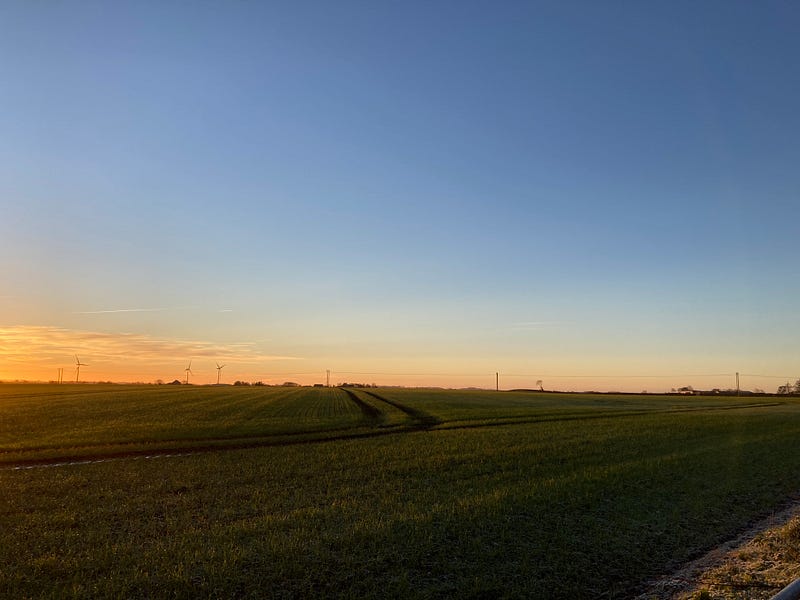
It’s a shot that epitomises the photographic frustrations of the week. I watch in wonder, sometimes with camera in hand, then at the last minute realise that I’m watching a gem of a photograph get away, but by the time I’ve fumbled the camera into position, the creature has flown or — in the case of the deer — bounded all the way to the far horizon.
In the same vein, here is the thicket into which a heron has just disappeared …
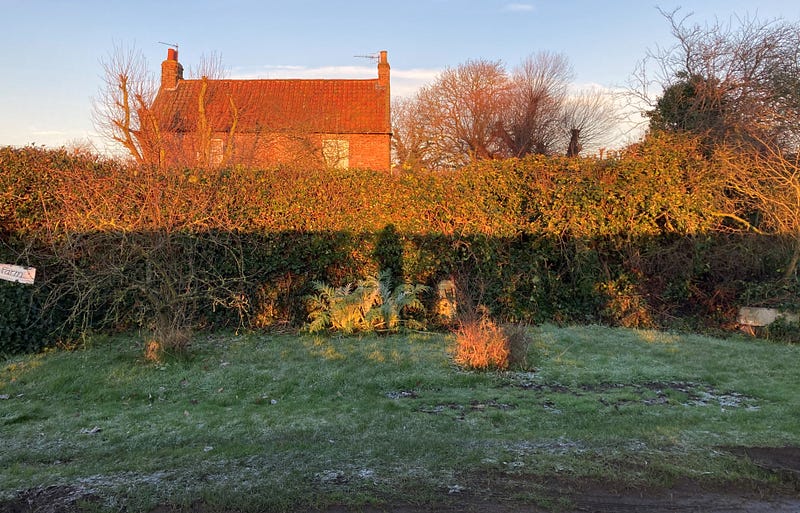
… and the patch of sky lately graced by a hovering kestrel:
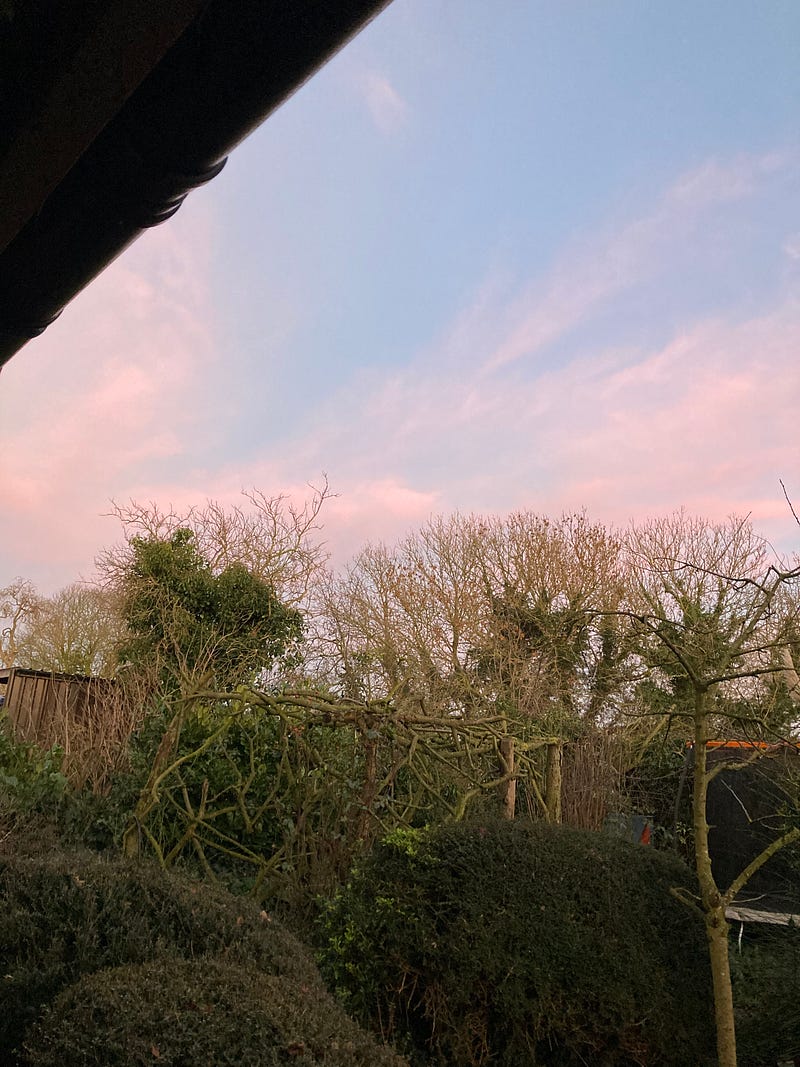
Ignoring a suggestion from my spouse:
If you’re going to use those shots, you might as well label them Bison, Yeti and Polar Bear…
and frustrated at wildlife that wouldn’t pose for long enough, I deliberately tracked down a guineafowl from a neighbour’s domestic flock:
and a trio of rotund ponies in another neighbour’s paddock:
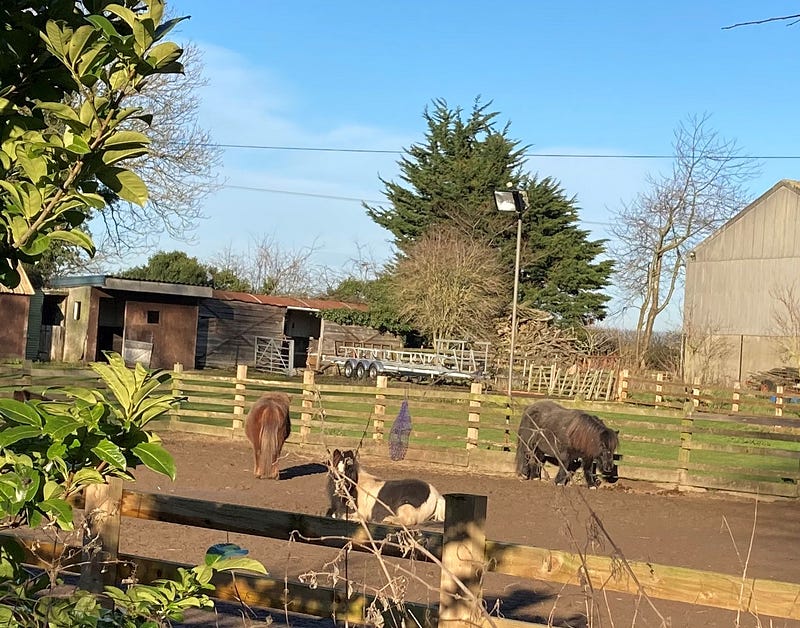
But all in all, it’s lucky I didn’t start the week with a reputation as an intrepid wildlife photographer because it would have been in tatters by the end.
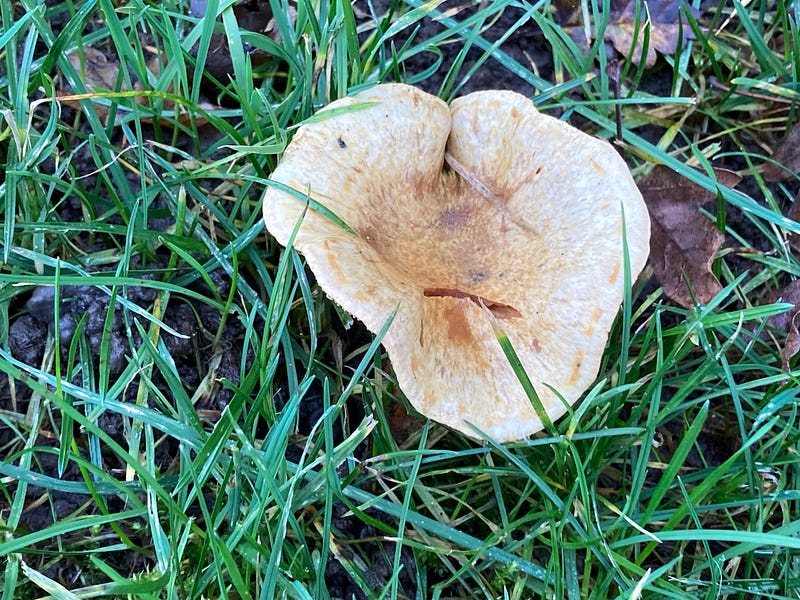
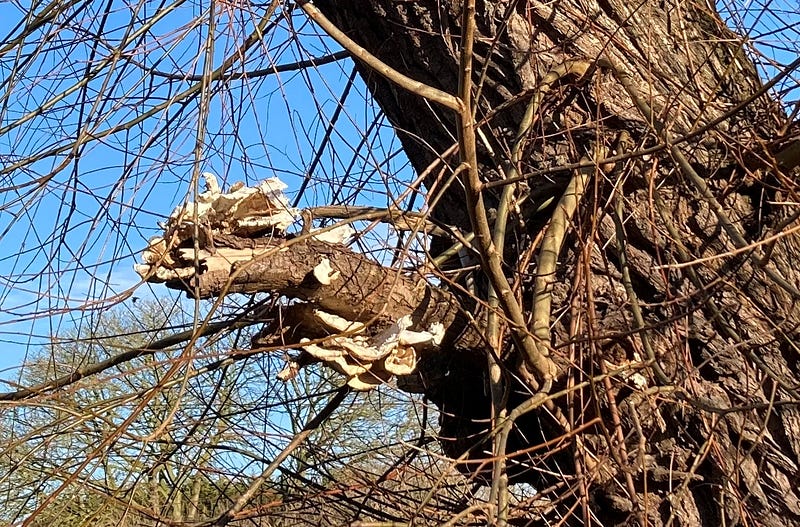
Thank goodness that fungus doesn’t fly off, dive into thickets, or disappear over the horizon. I would hate to have ended on a shot labelled ‘Patch of grass’.
With thanks to Dennett for inspiring this week-in-snapshots piece, and to others who have followed in her footsteps with more targeted and dynamic shots than I have managed: Susan Alison, Anne Bonfert, Kim Zuch, Ellie Jacobson, pockett dessert.