avatarAlex Rotar

Free AI web copilot to create summaries, insights and extended knowledge, download it at here

2410

Abstract

-1.readmedium.com/v2/resize:fit:800/0*tjU4IEJzAwTaPQvo"><figcaption>Photo by <a href="https://unsplash.com/ja/@ikewinski?utm_source=medium&amp;utm_medium=referral">Mike Lewinski</a> on <a href="https://unsplash.com?utm_source=medium&amp;utm_medium=referral">Unsplash</a></figcaption></figure><h1 id="53af">The Science Behind the Song</h1><p id="7946">Let’s break​ this down in a simple way. Imagine you’re at a concert, standing close to the​ speakers. You​ can feel the​ music vibrating through your body, right? Now​, let’s scale that down to a microscopic level. The sound waves from birdsong could potentially create similar vibrations in the soil, affecting the bacteria living there.</p><p id="e847">In a study​ titled “Rhizosphere Bacteria in Plant Growth Promotion, Biocontrol,​ and Bioremediation of Contaminated Sites: A Comprehensive Review of​ Effects and Mechanisms” by Qudsia Saeed et al., the authors delve into​ the various mechanisms through which rhizobacteria promote plant growth. They discuss​ how these bacteria can fix atmospheric nitrogen, produce siderophores​ (molecules that bind and transport iron), generate phytohormones​ (chemicals that regulate plant growth), and solubilize phosphoru​s (making it available for plant uptake).</p><p id="6e34">These processes are all crucial for plant growth and health. Now, imagine if the vibrations from birdsong could stimulate these bacteria, enhancing these beneficial processes and thereby promoting plant growth. It’s a fascinating concept,​ isn’t it?</p><p id="30ee">While​ we don’t yet have direct research showing that vibrations from birdsong can stimulate bacteria​l​ growth,​ the idea is theoretically plausible based on what we know about​ bioacoustics. Bioacoustics ​is a cross-disciplinary science that combines​ biology and​ acoustics. It involves the investigation of sound production, dispersion, and reception in animals (including humans). This field has found that sound frequencies can indeed influence biological systems, including bacteria.</p><figure id="7b1c"><img src="https://cdn-images-1.readmedium.com/v2/resize:fit:800/0*k9soXmJNZvTvX--z"><figcaption>Photo by <a href="https://unsplash.com/@raphaelfyi?utm_source=medium&amp;utm_medium=referral">Raphael Rychetsky</a> on <a href="https://unsplash.com?utm_source=medium&amp;utm_medium=referral">Unsplash</a></figcaption></figure><h1 id="5f1f">The Future of Farming

Options

?</h1><p id="f340">The concept of using birdsong frequencies to enhance crop yields opens up exciting possibilities for sustainable farming practices. Imagine a future where our fields are not just filled with crops, but also teeming with birds, their natural songs filling the air and harnessing the power of nature to boost our food production in an eco-friendly way.</p><h1 id="7cc7">Final Thoughts: A Symphony of Growth</h1><p id="3982">As we wrap​ up our exploration ​of this intriguing concept, let’s take a moment to appreciate the beauty and complexity of nature. The​ next time you hear a bird singing, remember, it’s not just​ a delightful melody. It​ could be a song of growth, a tune​ that holds the potential to revolutionize our farming practices and help​ us create a more sustainable future. And​ who knows, maybe one day we’ll all b​e <a href="https://www.youtube.com/watch?v=dQw4w9WgXcQ&amp;pp=ygUjcmljayBhc3RsZXkgbmV2ZXIgZ29ubmEgZ2l2ZSB5b3UgdXA%3D">singing for our fields</a>!</p><p id="93eb"><i>Your support has been instrumental in my journey, and I’m truly grateful for it.</i></p><ul><li><i>Stay connected and receive updates directly in your inbox, by <a href="/@alexrotar97/subscribe">subscribing to my email list</a></i></li><li><i>How I express myself musically?</i><i> Give it a listen:</i></li></ul> <figure id="7fe8"> <div> <div> <img class="ratio" src="http://placehold.it/16x9"> <iframe class="" src="https://cdn.embedly.com/widgets/media.html?src=https%3A%2F%2Fopen.spotify.com%2Fembed%2Ftrack%2F1xpryrArVRB5tarTrfbkpF%3Futm_source%3Doembed&amp;display_name=Spotify&amp;url=https%3A%2F%2Fopen.spotify.com%2Ftrack%2F1xpryrArVRB5tarTrfbkpF&amp;image=https%3A%2F%2Fi.scdn.co%2Fimage%2Fab67616d00001e02ccc5cfde8b1278773dae6e6e&amp;key=a19fcc184b9711e1b4764040d3dc5c07&amp;type=text%2Fhtml&amp;schema=spotify" allowfullscreen="" frameborder="0" height="152" width="456"> </div> </div> </figure></iframe></div></div></figure><p id="fd1d"><i>Your </i><i>engagement helps me to continue sharing valuable content. Thank you!</i></p><p id="d240">Sources:</p><ul><li><a href="https://www.mdpi.com/1293078">Rhizosphere Bacteria in Plant Growth Promotion, Biocontrol, and Bioremediation of Contaminated Sites: A Comprehensive Review of Effects and Mechanisms</a></li></ul></article></body>

Why We Should Sing for Our Crop Fields — The Unseen Power of Birdsong Frequencies
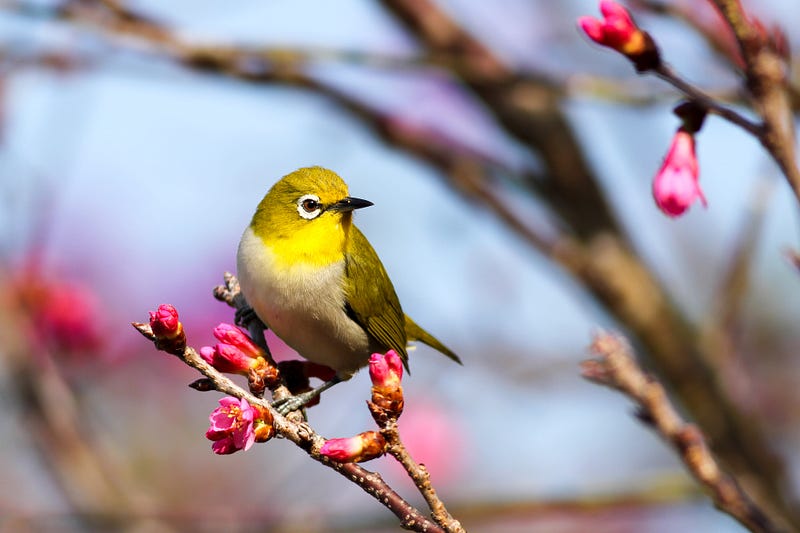
Photo by Boris Smokrovic on Unsplash

Hello, nature enthusiasts! Picture​ this: a serene morning in the countryside, the sun just peeking​ over the horizon, painting the sky with hues of orange and pink. The​ air is crisp, filled with the sweet scent of dew-kissed​ grass. And then, the symphony begins. The birds start their morning chorus, their songs echoing across the fields, filling the air with a melody that is as old as time itself. But what if I told you that this birdsong could be more than just a delightful start to the day? What if it could be the key to improving our crop yields and revolutionizing our farming practices? Intrigued? Let’s dive in!

The Song of the Fields

Birdsong has been a subject of fascination for centuries, captivating us with its beauty and complexity. But​ recent research suggests that these melodious tunes could have a​ profound impact on plant growth. This might sound like a stretch, but bear​ with me.

We know that​ certain bacteria,​ specifically plant growth-promoting rhizobacteria (PGPR), can enhance plant growth, control pests, and induce resistance to various​ stresses. These rhizobacteria harbor a number of mechanisms through which they promote plant growth. They can fix atmospheric nitrogen, produce siderophores, generate phytohormones, solubilize phosphorus, or synthesize stress-relieving enzymes. They can also indirectly improve plant growth by inducing plant resistance to various biotic and abiotic stresses, such as pathogen attack and heavy metal contamination.

Now, you​ might b​e wondering, what does this have to do with birdsong? Well,​ consider this: birdsong is a form​ of sound wave, and sound waves are essentially vibrations traveling through a medium. These vibrations can potentially influence the activity of these beneficial bacteria, enhancing their plant growth-promoting effects.
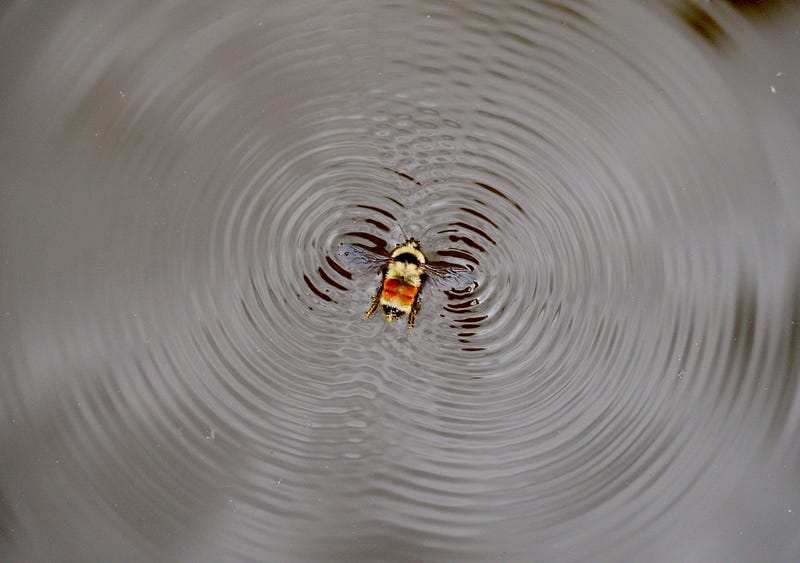
Photo by Mike Lewinski on Unsplash

The Science Behind the Song

Let’s break​ this down in a simple way. Imagine you’re at a concert, standing close to the​ speakers. You​ can feel the​ music vibrating through your body, right? Now​, let’s scale that down to a microscopic level. The sound waves from birdsong could potentially create similar vibrations in the soil, affecting the bacteria living there.

In a study​ titled “Rhizosphere Bacteria in Plant Growth Promotion, Biocontrol,​ and Bioremediation of Contaminated Sites: A Comprehensive Review of​ Effects and Mechanisms” by Qudsia Saeed et al., the authors delve into​ the various mechanisms through which rhizobacteria promote plant growth. They discuss​ how these bacteria can fix atmospheric nitrogen, produce siderophores​ (molecules that bind and transport iron), generate phytohormones​ (chemicals that regulate plant growth), and solubilize phosphoru​s (making it available for plant uptake).

These processes are all crucial for plant growth and health. Now, imagine if the vibrations from birdsong could stimulate these bacteria, enhancing these beneficial processes and thereby promoting plant growth. It’s a fascinating concept,​ isn’t it?

While​ we don’t yet have direct research showing that vibrations from birdsong can stimulate bacteria​l​ growth,​ the idea is theoretically plausible based on what we know about​ bioacoustics. Bioacoustics ​is a cross-disciplinary science that combines​ biology and​ acoustics. It involves the investigation of sound production, dispersion, and reception in animals (including humans). This field has found that sound frequencies can indeed influence biological systems, including bacteria.
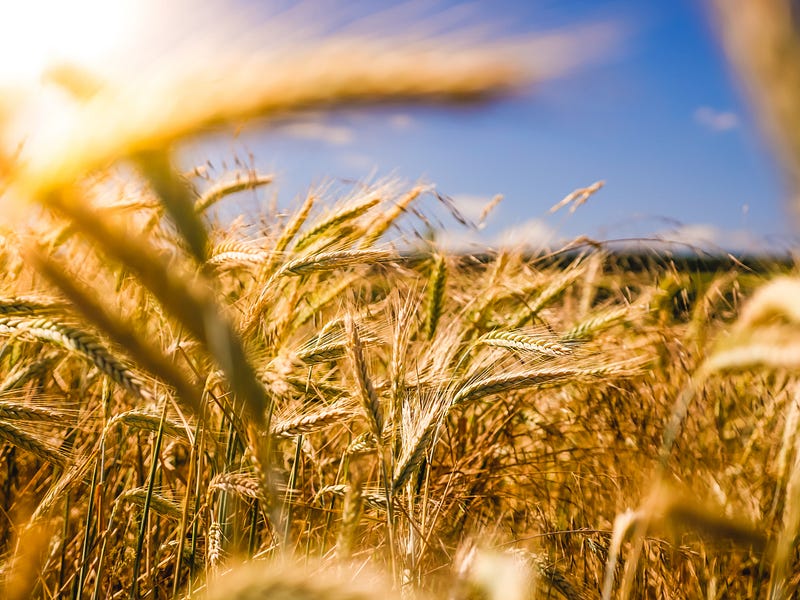
Photo by Raphael Rychetsky on Unsplash

The Future of Farming?

The concept of using birdsong frequencies to enhance crop yields opens up exciting possibilities for sustainable farming practices. Imagine a future where our fields are not just filled with crops, but also teeming with birds, their natural songs filling the air and harnessing the power of nature to boost our food production in an eco-friendly way.

Final Thoughts: A Symphony of Growth

As we wrap​ up our exploration ​of this intriguing concept, let’s take a moment to appreciate the beauty and complexity of nature. The​ next time you hear a bird singing, remember, it’s not just​ a delightful melody. It​ could be a song of growth, a tune​ that holds the potential to revolutionize our farming practices and help​ us create a more sustainable future. And​ who knows, maybe one day we’ll all b​e singing for our fields!

Your support has been instrumental in my journey, and I’m truly grateful for it.

  • Stay connected and receive updates directly in your inbox, by subscribing to my email list
  • How I express myself musically? Give it a listen:

Your engagement helps me to continue sharing valuable content. Thank you!

Sources:

Sustainable Farming
Birdsong
Crop Yield
Bioacoustics
Nature
Recommended from ReadMedium