
Why We Need to Take Time and Listen to Students in College
…how fostering trust, personalization, and inclusion can all be achieved by taking more time to invest in learning how to best serve the needs of students on your campus.
By Rose Carlson and Dr. Benjamin M. Drury
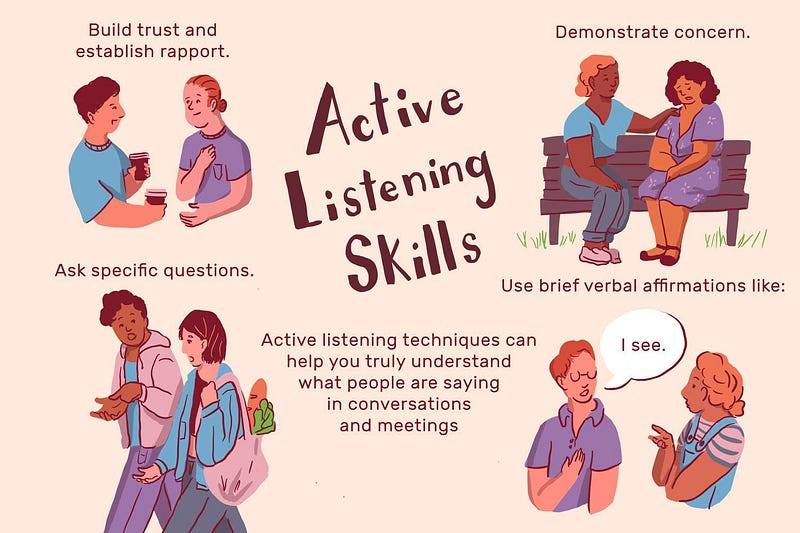
American society is growing and shifting right before our very eyes. New and interesting forms of technology and cooking and social interaction are introduced to us daily. We are being conditioned to move at the speed and pace of information. What is getting lost in the delicate ecosystem of student services is the trust and rapport we build with our students when we take sufficient time to get to know them. Every student is unique, and yet business-minded administrative professionals will tell you that the goal is to treat every student the same to guarantee a similar outcome. Unfortunately for those bent on commodifying all that is educational, human beings are not always going to perform the same in similar situations. Student services professionals are being saddled with increasing numbers of students to serve and support with little support from their institution. Student services is being transformed into more of a customer service office. Our interactions with students are growing more transactional with every coming semester. Time, as it were, is being taken away from the interaction equation between students and student service workers. Taking the time to listen to students when they talk about their needs is an essential aspect of education that holds immense value. By actively engaging with students and genuinely paying attention to their voices, educators can gain invaluable insights into their unique circumstances, challenges, and aspirations. This active listening allows teachers to customize their instruction and support to effectively meet the individual needs of each student.
Some faculty and administrators never truly listening to students. These professionals go through their entire career with a sense of epistemological arrogance that precludes them from understanding alternative realities for students other than their own. Those educators who never take the time to listen to their students will never be able to truly include all the necessary supports to properly serve them in their classroom. By ignoring or unintentionally omitting — however you want to look at it — the identities and backgrounds of the students in the classroom, the curriculum loses cultural relevancy. This creates an opportunity for students to become disengaged from the material and thus feel removed from the learning experience more broadly. Teachers should always be encouraged to personalize learning experiences in a way that resonates with each student’s learning style, interests, and preferences. This customization not only enhances engagement and motivation but also promotes a deeper understanding of the subject matter. When students feel that their interests and learning preferences are considered, they are more likely to be actively involved in their own learning journey. By taking the time to listen to their students, educators can build trust and relationships within the classroom. When educators demonstrate a genuine interest in their students’ thoughts and concerns, it creates an environment where students feel safe and respected. Such a positive teacher-student relationship lays the foundation for open communication, collaboration, and a sense of belonging, fostering an inclusive and supportive learning environment. For some students, positive student-teacher relationships are the only positive youth-adult relationships they experience.
Normalizing the practice of taking time to talk with students about their needs in college requires a comprehensive approach that involves multiple strategies. To begin with, providing faculty and staff with training in effective communication and active listening is essential. This equips them with the necessary skills to engage in meaningful conversations with students, ensuring that their voices are heard and understood. Incorporating student feedback into decision-making processes is another crucial step in normalizing the practice. This sends a clear message that their input is valued and considered, further encouraging students to express their needs and concerns. Additionally, ensuring that comprehensive student support services are readily available and widely promoted is vital. By raising awareness about the various resources and assistance available, colleges can ensure that students are aware of the support at their disposal and feel encouraged to seek help when needed. Encouraging faculty to hold regular office hours and establishing peer mentoring programs also contribute to normalizing open dialogue about student needs. Regular office hours provide designated time for students to discuss their needs and receive individualized attention from their professors. Peer mentoring programs create a supportive environment where students can feel comfortable discussing their needs with their peers who can offer guidance and support based on their own experiences. Creating a campus-wide dialogue and raising awareness about the significance of student needs on college campuses can foster an environment that encourages students to voice their concerns and seek support when necessary. Lastly, and perhaps most importantly, providing institutional support is vital for normalizing conversations about student needs. Examples can include making workload adjustments for faculty to ensure they have the time and resources necessary for engaging with students. Recognizing and valuing the efforts of faculty who prioritize student well-being and engagement further reinforces the importance of taking time to talk with students about their needs.
Active listening also enables teachers to identify barriers to learning that students may be facing. By carefully listening to students, educators can identify signs of learning difficulties, socio-emotional challenges, or other factors that may hinder academic progress. Recognizing these barriers allows teachers to provide appropriate support, interventions, and accommodations to help students overcome obstacles and reach their full potential. Listening to students can also open the door to providing emotional and social support. Students often face a range of emotions, personal challenges, and social pressures that can impact their well-being and ability to learn effectively. By actively listening, teachers can identify signs of distress, offer guidance, and connect students with the necessary resources, such as counselors or support services. This emotional and social support creates a nurturing environment that addresses the holistic development of each student. Actively listening to students also empowers them by giving them a voice in their own education. When students feel heard and valued, they gain a sense of ownership and responsibility for their learning. By involving students in discussions about their needs and goals, educators foster a collaborative learning environment where students are actively engaged in self-reflection, goal setting, and decision-making, fostering a sense of agency and empowerment.
Valuing and actively listening to students promotes equity and inclusion in education. Each student brings their own unique experiences, backgrounds, and perspectives to the classroom. By listening attentively, teachers can ensure that all students’ voices are heard, their experiences are acknowledged, and their needs are adequately addressed. This approach creates a learning environment where every student feels respected, included, and has equal opportunities to succeed. We all need to take more time to listen to students we are working with when they express their needs to us in our offices, over the phone, through ZOOM, or over a tea on campus. Communication, open and honest lines of communication among students, peers, faculty, and staff — is of the utmost importance in education. By actively engaging with students and genuinely hearing what they have to say, educators gain valuable insights that inform their instructional practices and support strategies. Active listening allows teachers to personalize learning experiences, build trust and relationships, identify barriers, provide emotional and social support, empower students, and promote equity and inclusion. By valuing and actively listening to students, educators create a supportive and inclusive learning environment that nurtures the overall development and success of each student.