Why We Do Bad Things…
…the short answer is it is our nature.
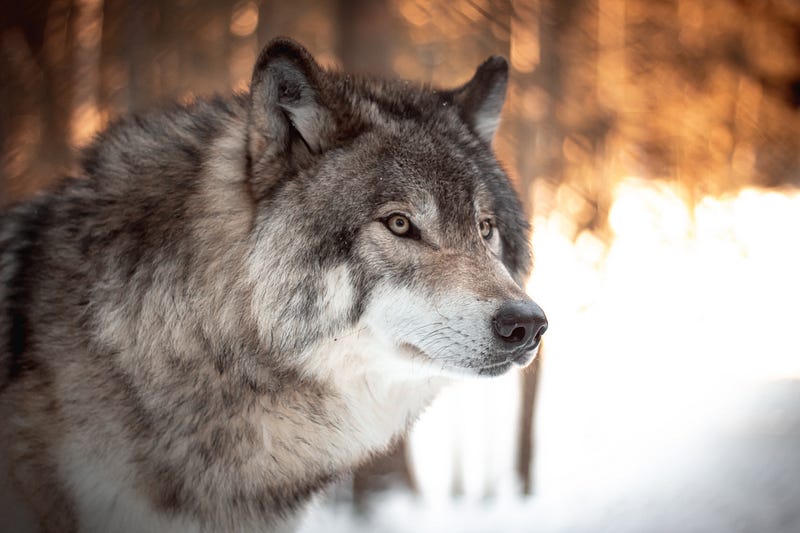
As a race, humankind is hard-wired to survive. It is what all living organisms at their most fundamental level are compelled to do.
To survive one must eat, drink, breathe, and ultimately procreate. The source for these necessities, including procreation, are resources. These resources are in limited supply. As a result, competition ensues.
One cannot compete passively. Competition is by nature active, intense, and often aggressive in that with competition one seeks to gain an advantage over their foes.
This aggressive nature is kept in check by virtue of our community standards, rules, policies, morals, and ethics. In the absence of such societal standards the result at a micro-level is small conflict (often easily resolved), and crime (resolved by society via the rule of law). At a macro-level war and chaos result when the inflection point between the innate drive to survive and availability of limited resources intersect on a large scale.
Homo Homini Lupus (Man is a Wolf to Man)…“reveals men as savage beasts to whom the thought of sparing their own kind is alien.” -Sigmund Freud. (Man is a Wolf to Man — Steve C — Medium)
“…The bit of truth behind all this — one so eagerly denied– is that men are not gentle, friendly creatures wishing for love, who simply defend themselves if they are attacked, but that a powerful measure of desire for aggression has to be reckoned as part of their instinctual endowment…Homo homini lupus, who has the courage to dispute it in the face of all the evidence in his own life and in history? This aggressive cruelty usually lies in wait for some provocation, or else it steps into the service of some other purpose, the aim of which might as well have been achieved by milder measures. In circumstances that favor it, when those forces in the mind which ordinarily inhibit it cease to operate, it also manifests itself spontaneously and reveals men as savage beasts to whom the thought of sparing their own kind is alien.” -Sigmund Freud
“The more a wolf forgets himself–by giving himself to a cause to serve or another wolf to love–the more wolf he is and the more he actualizes himself.” -Man’s Search for Meaning, Viktor Frankl
“We should look for someone to eat and drink with before looking for something to eat and drink… To eat and drink without a friend is to devour like the lion and the wolf.” -Epicurus, on friendship.
Unfortunately, one may agree to play by the rules (not be a wolf); rest assured not all of your competition will. In fact, the wolves will take advantage of your good nature.
Recalling the economic metaphor that resources are all about guns and butter; nations either buy guns (to defend themselves) or butter (to feed themselves). This macro view plays out on a wide expanse and an individual micro-level. Said otherwise, when the butter runs out — the guns (and wolves) come out.
What can we do about it? Manage the resources as the ingrained nature of humans on a whole will not change.