
Why We Buy, What We Buy
An Analysis of Purchasing Decision and Motivation
Through this analysis, it’ s expected to identify the consumer’s purchasing decision to buy a ‘Face Cream’ and the effect of motivation towards the decision.

Detail of the products
Though the face creams are not mandatory products of daily life, many people, both male and female use Face Creams every day. With time, Face Creams have become an essential item of regular consumption and the cosmetic industry has become one of the most lucrative businesses.
However, as per the researches, most of the people do not stick to one single product or brand. The immense competition in the market has given a wider range of options to potential customers. Hence, consumers switch brands and products very often and the purchase decisions have altered upon many factors.
Many consumers at the beginning choose inexpensive Face Creams mainly due to financial restrictions. Most of those Face Creams have neutral to no effect on the skin. When the consumers purchasing ability improves, they are becoming brand conscious and try premium products. To this purchasing decision, many of the consumers find references from their closer cycle of friends. More the recommendation, the higher the chances of purchasing the products.
Requirement of the purchase
To understand the requirements of purchasing a Face Cream, Maslow’s hierarchy of needs has been used.
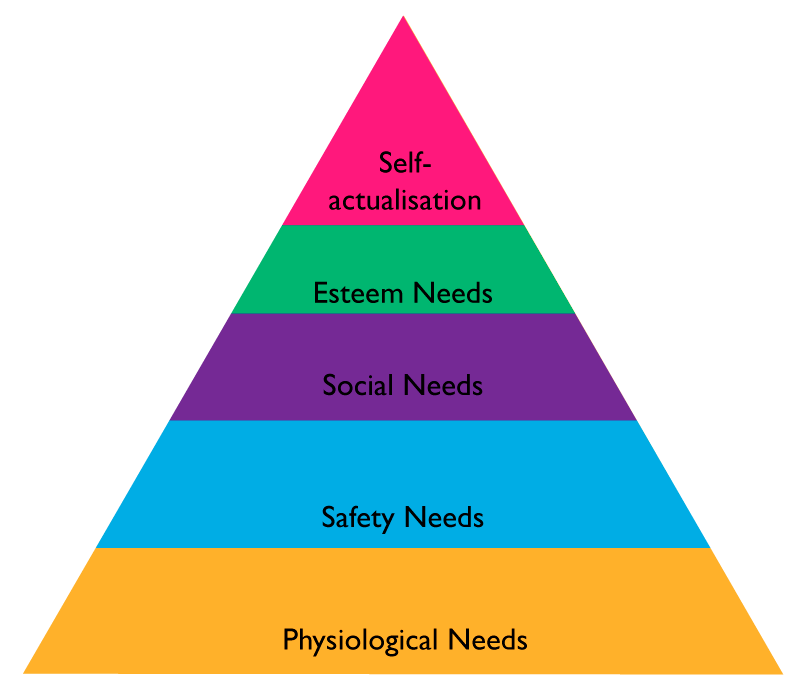
Sources: (Shiffman & Kanuk, 1999)
The need of the product and its relevance on the purchasing decision has further elaborated.
Maslow’s Hierarchy and its Relevance
Further to Maslow’s hierarchy the need to buy a Face Cream can be analyzed based on the motivation to buy the product.
Motivation
As (Solomon, 2016) stated ‘Motivation is the process that leads people to behave as they do’. This process can be further elaborated.
Motivation Process
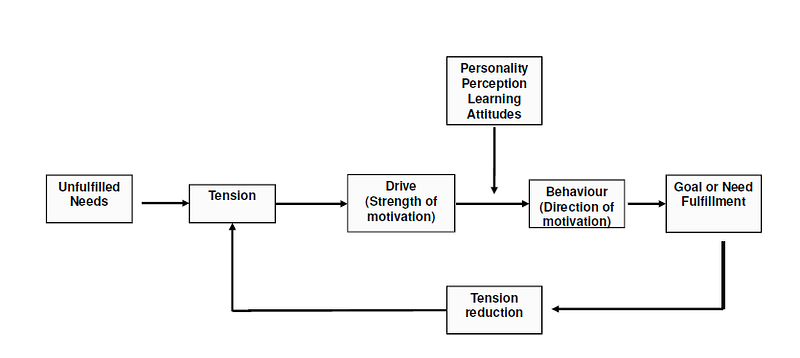
The motivation starts with unfulfilled needs, which has been discussed under the Maslow’s hierarchy. However, the human needs cannot be fully satisfied. When one goal was achieved there’ll be a new goal to achieve. The tension arises due to this unending goal and the Motivation is the driver that helps to avoid the tension.
The inner Motivation to achieve the goals will be moderated by the factors in the outside as well. A few of them can be categorized as Learning, Attitude, Personality, and Culture.
Learning
The users of the Face Creams are having a basic understanding of the product ingredients, country of origin, and its manufactures. They have access to the information on the chemicals and their side effects as well. Therefore, the consumers are making an informed decision when selecting a Face Cream in the market. There are regulatory requirements to include the ingredients of the products in the labels as well.
The knowledge of the chemicals and its manufacturers affect the purchasing decisions of the customers. Modern customers are not following the advertising or its promises blindly and always make an informed decision with a wider range of personal references.
Attitude
Most of the consumers are having a negative attitude towards the inexpensive products in the market. The inexpensive products usually contain low-quality ingredients and the manufacturing processes can be below the standards. These low-quality Face Cream evident the skin irritations and has the possibility of long-term side effects. Hence, consumers prefer value-added, better-quality products, and willing to pay a premium for that.
Personality
Personal grooming and confidence liaise to maintain the personality. Therefore, by using a Face Cream the confidence and personality are well maintained and improved.
Culture
The culture of upbringing has an impact on personal grooming and using beauty products. As an example, my home country culture has influence on Buddhist philosophy and that philosophy appreciate the simplicity. It is believed that heavy makeups distort the appearance of the individual, where a simple, light makeups are always admired.
The choice of Face Cream also depends based on the culture of upbringing and has an impact on consumer purchasing decisions.
The Learning, Attitude, Personality, and Culture has a direct influence on consumer purchasing decisions. Though the decisions were made, spontaneously and unanimously the above facts always derive the decisions.
Motivational Conflicts
At the purchasing decision, it can be identified that several goals get conflicted in terms of the positive and negative aspects.
1. Two positive goals
The expensive brand of a Face Cream and a Salon Clean-up is at the same price range. Hence, there’s a conflict between two positive goals, where both of them enables them to maintain a good skin.
2. Positive and negative goal
There are inexpensive products on the market. If the consumers forgo the branded Face Cream and purchase an inexpensive product, they can save money to buy essentials for the family. There’s a conflict between positive and negative goals.
3. Two negative goals
Though some products appeal to be better, every cosmetic includes a certain level of artificial chemicals with long term side effects. Once addicted to a one Face Cream or brand, it makes it uncomfortable to live without. Hence there’s a conflict between two negative goals.
Conclusions
Based on the analysis it can be identified that there is a strong link between the motivation and purchasing a Face Cream. The decision is influenced by many external and internal factors, which ultimately enables to achieve the goals of life.
References
Shiffman, L., & Kanuk, L. (1999). Consumer Behaviour. Frenchs Forest, NSW, Australia: Person Education Australia.
Solomon, M. R. (2016). Consumer Behavior: Buying Having and Being. Europe: Prentice-Hall.


