
Why Therapists Fear Narcissists
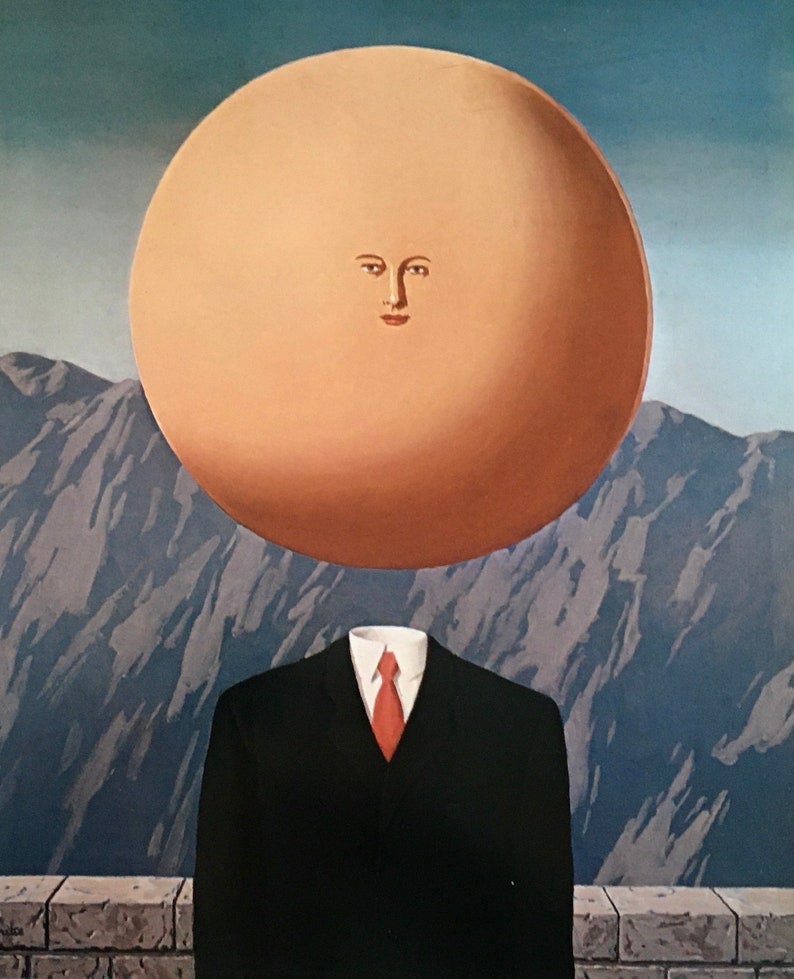
Narcissistic Personality Disorder (NPD) is a perfectly reasonable set of behaviors given the premise that people lack the ability to meaningfully suffer or experience happiness — except the narcissist. By being the only person whose happiness and suffering matter, the narcissist naturally concludes:
- I can behave shamelessly;
- others do not deserve empathy;
- all others are the means, and I am the only end.
It is in the nature of this illness to hide its own symptoms, for there is nothing wrong with the narcissist. If their pain or the narcissism itself is exposed, what unpleasantries may follow?
- Triangulation. In group, couple or family therapy, the narcissist may harm others to ensure they themselves look better by contrast. I’ve had a narcissist provoke her borderline daughter into throwing a tantrum in my office. When made to look bad, she turned to her daughter and said, ‘I should have had an abortion.’ She smiled calmly at me while her daughter flung chairs, as if to say: See what I have to deal with?
- Splitting. The therapist is depicted in unrealistic extremes: either amazing, or, shit. If amazing, I am praised as ‘the best therapist I’ve ever seen’ to stroke my ego. This is of course a defense mechanism: If I like the patient, I won’t suspect they are a narcissist. Instead, I will be narcissized.
- Shame. If shit, I am ruthlessly shamed. Narcissists have high emotional intelligence that can both uncover and exploit weaknesses. Narcissists read people as well as therapists do, albeit differently. They need to feel bigger. And if they cannot enlarge themselves, they will shrink you.
- Energy-Vampire. I dislike this term’s degradation, but it conveys the uncanny effect. The narcissist consumes attention and energy; when these are not given in compassion but taken in entitlement, the giver becomes spent. This in turn lowers the therapist’s defenses and intution. A therapist’s exhaustion may in fact reveal the otherwise hidden disorder.
- Rage. Threats. Harassment. Narcissists carry hidden rage from their traumatic childhoods — hidden from themselves as well as others. Once they feel challenged or vulnerable — which may mean the same thing to them — they can explode to ensure the therapist will feel as unsafe as they do.
I try to remember that the narcissist deep down is not happy trading empathy away for power. Like all people, narcissists want love, and were taught at an early age that love hurts. They seek power to feel safe from love, meaning they cannot feel safe in love.
The narcissistic patient views me in terms of the power they have or lack over me. By instead defining them as people I can love, and in whose love I believe, I have seen many progress and a few heal.
I have to believe in their hearts more than they believe in their power. My job is to be better at being a non-narcissist than they are good at being a narcissist.
Read the other half of this narrative: Why Therapists Fear Borderlines.
To follow me: https://medium.com/@myartman
To subscribe: https://medium.com/@myartman/membership