
Why THE VILLAGE (2004) is M Night Shyamalan’s Only True Horror Movie
The rest of them are thrillers
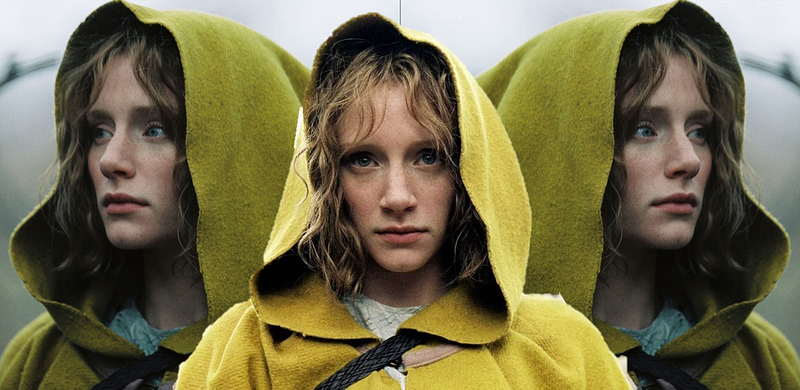
THRILLER VS HORROR
“Sometimes we don’t do things we want to do so that others won’t know we want to do them.” — Ivy Walker
For a 90s girl, part of the wonder of watching any movie after SE7EN is in never knowing until the end whether I’m watching a horror movie or a thriller.
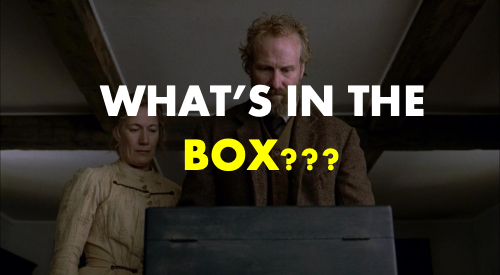
In a thriller, no matter how hopeless the situation seems, the good guys always win.
In horror, no matter how hopeful the situation seems, the good guys always lose.
The Sixth Sense, for all its tense moments, isn’t a horror movie. That happy ending isn’t possible in a horror movie. It’s a thriller.
The Visit, though it delivers a welcome return to genuine fright from Shyamalan, is also a thriller. That diaper scene is awful, but the story has a happy ending.
Unbreakable, Signs, Lady in the Water, The Happening (lol), The Last Airbender, After Earth, Split, Glass, and Old…I think that covers it.
Those are all thrillers. Tense and at times horrifying, but the happy endings define the experience of those stories.
WAIT, YOU FORGOT —
Okay, I left one movie out. And that’s the one we need to talk about.
The Village ends on a happy note. That haunting violin music — composed by James Newton Howard and played to perfection by Hillary Hahn — ultimately becomes a song of grief turned to just enough hope to keep going.
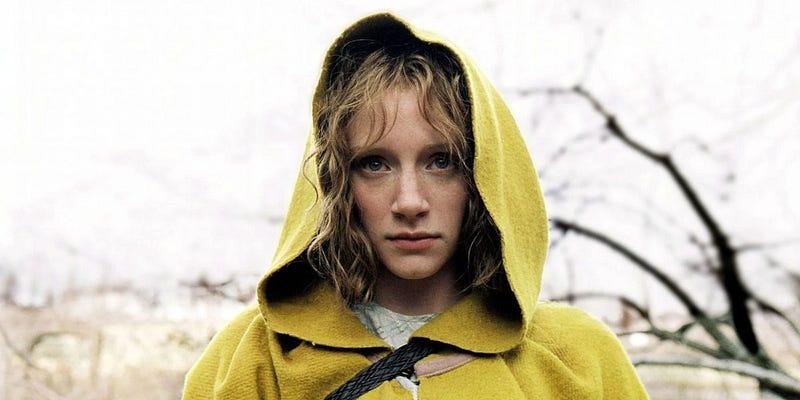
At the end of that story, Ivy Walker has returned from an incredibly dangerous journey. To retrieve medicines vital to saving the person she loves, Ivy faced dark truths about her family, darker truths about the village she calls home, and the darkest truths about the monsters in the woods she spent her whole life avoiding.
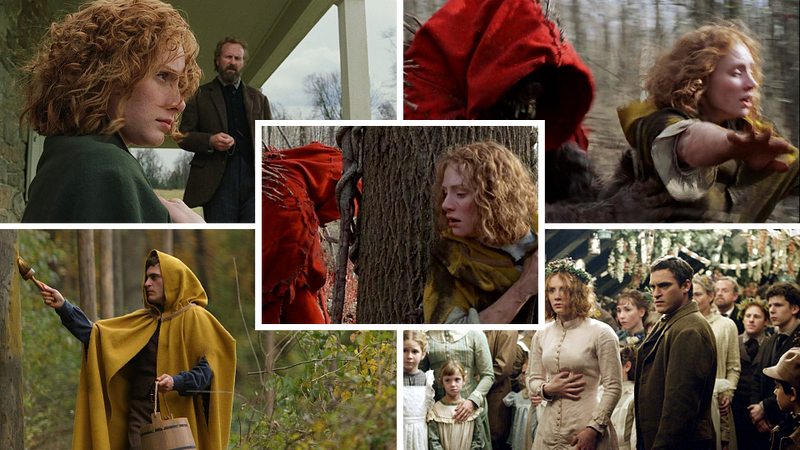
And if any of that were played straight — besides the love story, which is genuine and the most moving romance Shyamalan has ever written — the movie would earn that happy ending.
But there’s just no way this is a happy ending. These kids are trapped in a web of lies. The criminals are their parents, but the real culprit is their untreated mental illness.
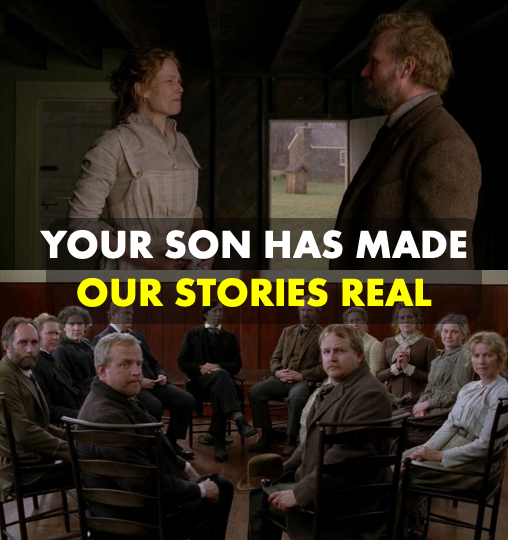
Mental illness didn’t make our parents bad people. Some of them just had unhealed trauma. Hence, yeah, why it then falls to their children to break the chain…or die trying.
The twist is whether the characters ever break free.
But that’s in our own lives. In this movie, the characters will never see the other side of that wall.
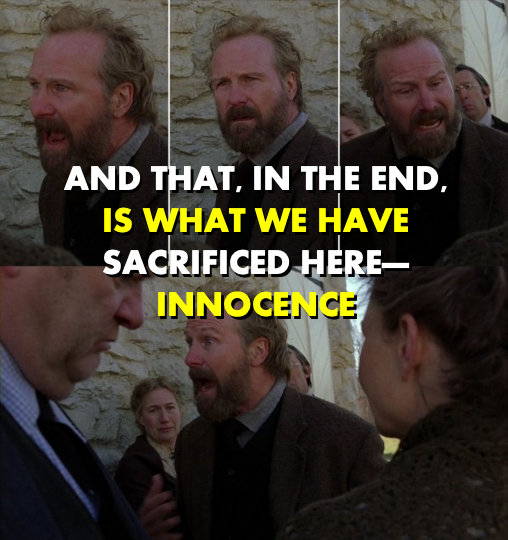
Ivy was brought into the truth of the deception by her father so that she could make the journey with confidence. But one of the movie’s many final twists is that Ivy encountered what she believed to be a real creature, and so now has returned to her home with the belief that they are real.
Yes, her parents pretended to be these creatures. Yes, all of the other elders did the same. But those costumes were based on myths of real creatures in the woods. The audience knows those creatures aren’t real, but Ivy believes they are. Even if she reveals to her friends the depths of the deception by the Elders, she will also tell them what she encountered in the forest.
The lie is now their life.
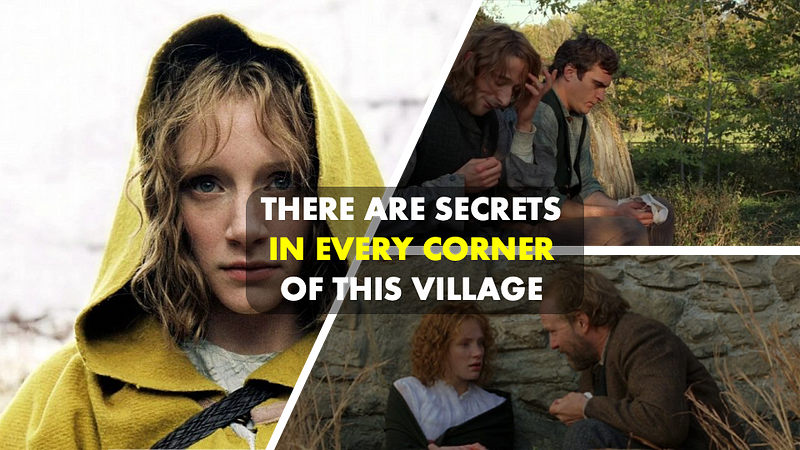
THE VILLAGE (2004)
“There were rumors of creatures who did exist in these woods.” — quote from The Village
Remember when a Shyamalan movie was considered a guaranteed Hitchcockian experience? Yeah… I hope he keeps swinging.
The Village came from Shyamalan’s repeated yearning to adapt Wuthering Heights. In his allegedly original story (opinions differ, see offsite link to Simon & Schuster), a group of 18th century people live in an isolated village (Houston, we have a title).
The Village’s safety — a kind of truce — depends on respecting strict rules with the creatures inhabiting the surrounding woods.
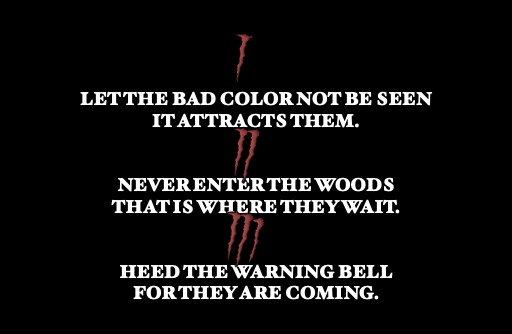
The premise itself is quite something, even if the original trailer promised a movie very different than what we got.
Tragedy has haunted the villagers ever since this uneasy truce left them isolated from the towns. People get sick and die from easily avoidable ends all the time because the creatures will kill anyone who dares to break faith with the rules that keep these kids safe.
Just when did the villagers move there? Why did they form a truce with the creatures to form an isolated village? Why didn’t they simply vacate the woods? What is so much better about being there than letting the creatures reclaim what seems to have always been theirs?
These are hard questions that demand the kind of answers Shyamalan seemed uniquely qualified to answer.
Maybe I should have led with that. I’m sorry for spoiling just how hard he fell out of the guard tower.
THE TWISTS
Though each twist carries an emotional gut punch, it’s the final one that proved most controversial.
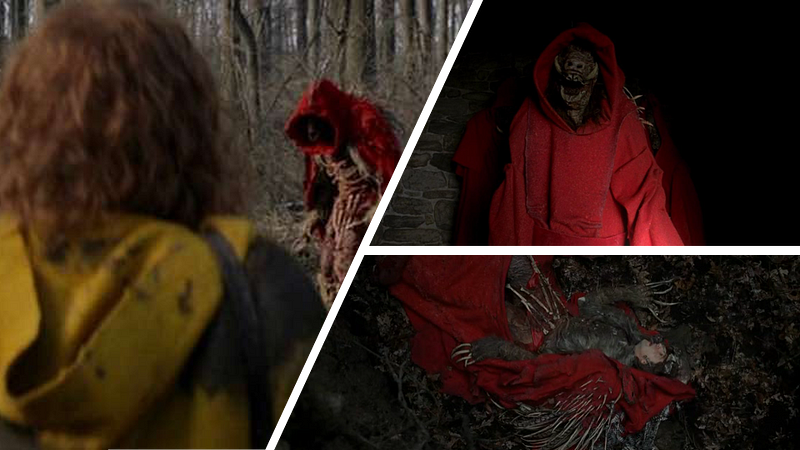
Not only are the monsters actually the village elders wearing intricate costumes…
Not only does one elder say that though they’re wearing costumes, they based them on rumors of REAL monsters in the woods…
Not only does the REAL monster our heroine then faces turn out to just be another human in a costume…
It turns out the WHOLE THING was a costume. The story doesn’t take place in the 18th century. There are no isolated villages that depend on strict rules to protect them from monsters. There is no possibility of the paranormal or even unexpectedly normal. The entire story takes place in the modern world, a twist that relies on the gigantic thud of a “GOTCHA” instead of letting a little sense of imagination and wonder linger.
Writing for Vox, Emily St. James argues that the timeline makes the movie a covert reaction to the Iraq War. It’s a fascinating article, least of all from her final point:
This is a story that longs for an imagined past but understands it’s not a place anyone can live for any length of time. Sooner or later, the world finds you. Sooner or later, the danger comes to your door. — Emily St. James
And that revelation does go right to the gut. These kids are trapped. The lies didn’t save them. And the greatest horror? Their lives will go on exactly the same as if the audience had never learned the truth.
Just like America discovering the war enacted to keep us safe had been justified by lies (that’s the layman’s term for faulty intelligence), that truth did nothing to each person’s ongoing lived experience. There was not then, and still has not been, a reckoning.
(though our former president [offsite] seems finally ready to admit he may have committed a war crime or two lol)
That’s gut wrenching, but it’s not a payoff. The twist doesn’t bring the prior movie into stunning clarity — it betrays that the movie is missing a final act.
THE VILLAGE NEEDS A SEQUEL MORE THAN UNBREAKABLE
If Shyamalan could find an idea worthy of turning Unbreakable into a trilogy…surely there’s an idea that will bring him back to The Village?
The point of a twist isn’t to twist the audience’s guts. It’s to force everything we’ve already seen into a reckoning equal to our wonder.
There’s no turning back the canonical ending of this movie. It takes place in modern times. The Elders are monstrous liars willing to use their own children as tools. Their trauma has turned them into as good as evil.
But what if a sequel acknowledged that?
What if the Elders were now in their final years?
What if there were a debate whether to tell the new generation the truth?
What if a new calamity — one born of the heart — compelled them to finally bring their children into the charade?
Edward Walker said it as much himself when telling the other Elders why they should let Ivy go to the towns. Just who do they think will carry on their lie once the Elders have passed?
Maybe you can already guess the twist of this imagined sequel. The kids already know. The new generation has continued the legacy of their parents with new tools for terror.
Let this sequel be about the horror those Elders face as they confront the final years of transition.
The monsters, it turns out, are real. At least as real as the parents were. These creatures haunt the Elders in the Village. They haunt the ones who dared to leave and return to the normal world, too. The towns, they used to call them.
And who do you think is in charge of this new horror?
The only one of them who’s ever been there.
ADDITIONAL READING
M. Night Shyamalan Pitched a Dark Indiana Jones Movie to Spielberg (offsite)
See the Full $71M Budget Breakdown of “The Village” (offsite)
THIRTEEN OTHER MOVIES ABOUT BEING RAISED BY PARENTS WITH UNHEALED TRAUMA AND MENTAL ILLNESS
- My Abandonment/Leave No Trace
- Room
- Take Shelter
- Prozac Nation
- White Oleander
- Macbeth
- The Hours
- Gone Girl
- Girl, Interrupted
- Goodfellas
- There Will Be Blood
- Back to the Future
- The Graduate
The end (of the article)
If you like my work and want to support it, buy me a cup of coffee! To join the Translation Team, subscribe to my Substack newsletter: Translating Everything


