
Why the model year of a car can make or “brake” your life
Good brand? Don’t fall for it. Lesson learned the hard way.
Model year is crucially important.
Some years can have major design flaws that will bite you in the @ regardless of how well the vehicle is driven. That can happen with only one year’s difference, even within the same generation of car!
Let’s examine each against the Consumer Reports (CR) findings. CR is a godsend of research and can be accessed for free online via your public library (go the library page, then search for “consumer reports.”) If your library doesn’t have access for some odd reason, just spend the small amount of money to result in a much more informed decision.
Only go for years rated a minimum of 4/5 (above average reliability), ideally 5/5 (very reliable). Don’t bother with others. When you pull this up in your library CR website, you can then also further click into each year to view the nuances. For example, perhaps there are engine seal issues but the rest of the car is rated as very reliable. You can either choose a different model year or just set aside a few hundred dollars to account for any potential future needed repairs.
Reliable brand?
“It’s a Honda? SO reliable! Great choice!” — Said everyone when I mentioned I had a Civic.
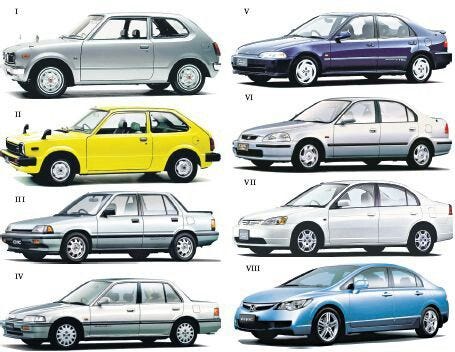
Smart me (now): let’s look at CR data for the Civic
2001: 2/5 (this was the year I purchased, before knowing reliability ratings)
2002: 4/5 2003–2005: 3/5
subsequent gen: 2006: 4/5 2007–2010: 3/5 2011: 4/5
subsequent gen: 2012–2015 stellar across the board
subsequent gen: crapped out the quality between 2016–2019 at an average of 2/5 across the years
Lesson learned the hard way
Result? Honda Civic. Super solid, reliable. It was 2010 and I purchased a 2001 — young for a Honda.
Be sure to check the year! I didn’t know this before.
I did have reliable stop-and-go driving with consistently excellent mpg. I liked it so much, my I highly recommended it to my then girlfriend (now wife!), so she bought a similar one, a 2004 or a 2005, with higher miles.
Fast forward…
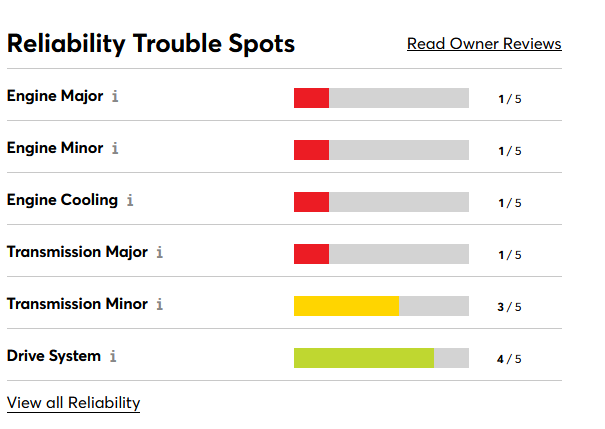
Oh no! Engine seal, cooling issues, engine control panel, and more… Car broke down twice on my way to work within the span of two months. For a $7,000 car, so 30% of the purchase price and then more on repairs. At the end, it couldn’t drive without expensive replacement parts and ended up selling it to the mechanic for $300-ouch.
At about the same time, we took a road trip to the Outer Banks in my wife’s Civic. On the bridge in, it was stop and go traffic and super hot. I stupidly put the A/C, then the car started to make a noise and we could see steam coming out of the hood. Oh no!! We barely eeked it out to the end of the bridge. Found out through a convoluted journey that the engine was totally shot. Noooo!
We then pooled our meager resources to just get one super reliable car: Toyota RAV4. Again, we didn’t know about the difference model year could make (yes, even after those breakdowns). The RAV4 earned solid reliability across the board since 2008, with prior 2006–2007 at just average reliability. Also except the years 2020 and 2021. Surprisingly, ewer doesn’t always mean better!
Another example of model year variation
Toyota Sienna
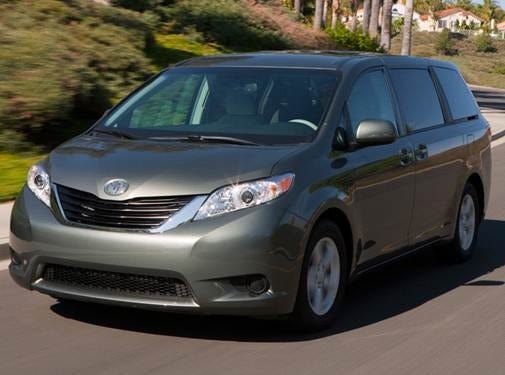
Generally quite reliable, but look at the major gap within the same generation but between two years:
- 2008: 2/5
- 2009: 4/5
Avoid the 2008!!!
Buyer beware! Do your research, save $$$, and join the reliable car club!
Not on Medium? Join the best site on the internet for $5 a month — no brainer!