
Why the internet is full of “digital junk mail”
Navigating the overwhelming abundance of online content: from poor images to disengagement.
It’s easier than ever to be influenced by online content but difficult to savor it. I only vaguely remember my liked posts from yesterday. This nonstop slurry of short-form, fleeting content has reshaped our online preferences, making TikTok commentary videos more memorable and viral than traditional media. In this age of content abundance, I feel dizzy, drained, and disengaged. Is there a way back to a slower, more thoughtful online experience?
Rise of Poor Images
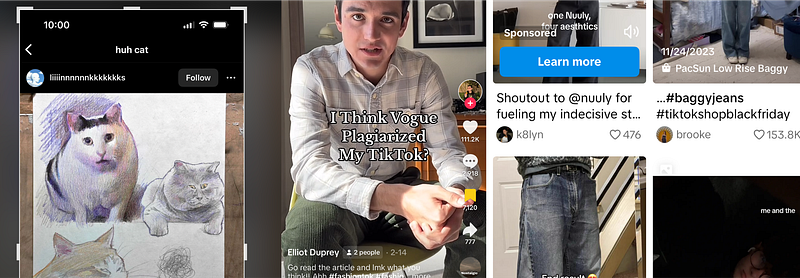
Today, our digital platforms encourage the spread of poor images. In Defense of the Poor Image (2009), Hito Steyerl describes the poor image as low resolution and quickly distributable, mocking the promises of digital technology. Steyerl uses the example of low-resolution copies of DVDs or commercial images being circulated in degrading .zip files in niche communities.
These images, stripped of context and repeatedly copied, contribute to a digital environment resembling what I’m calling “ digital junk mail.” When virality strikes, the image or concept is digitally copied over again, losing its context and open to new interpretations. If you open Instagram Reels or scroll through a Google search result you’d find grainy dark videos, compressed memes, and copied aesthetics
Disengagement due to Emphasis on View Counts
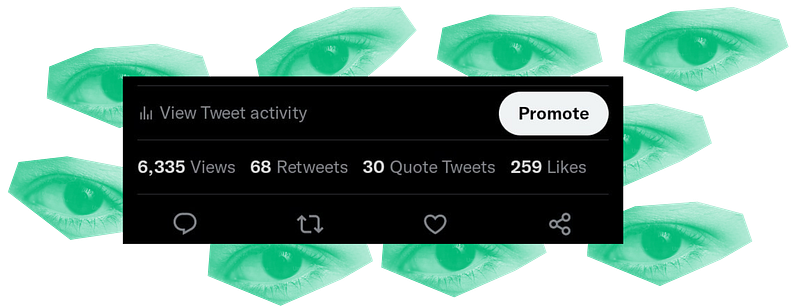
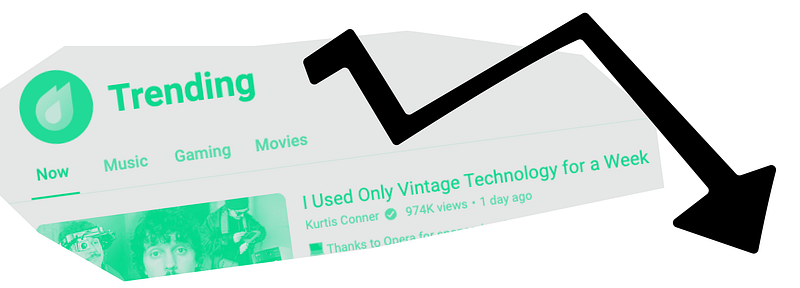
Social media platforms have found ways to rely on the distribution of digital junk mail. In 2019, Instagram created the option to hide like counts with the theory it’d increase post volume because users may feel “less self-conscious.” More recently, we saw a similar turn against the like button when Twitter (now X) added view count on posts. This shift from curation to abundance convolutes the experience causing the process of connecting and discovering to be compromised.
This deemphasis of audience engagement encourages passive online behavior. The Economist’s recent article “The End of the Social Network” describes a decline in public posting. Since 2020, Americans who enjoy documenting their life online have fallen from 40% to 20% and the conversation is moving to closed group chats. New product launches sweep our feeds for a second before fleeting away. When mass trends and viral terms appear and dissipate almost instantaneously it can materialize into creator burnout, lackluster social connections, and disengaged platform users.
Impact of AI on Content Generation
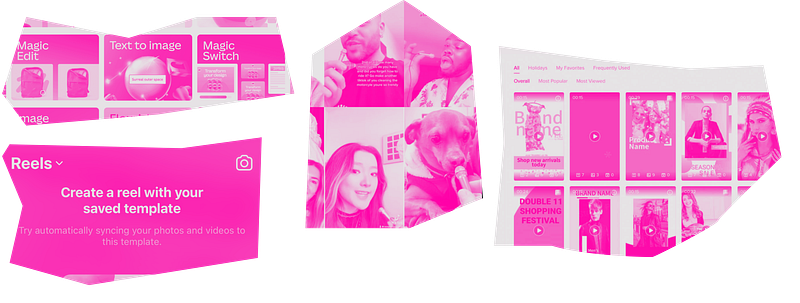
The Verge describes how “AI is killing the old web” because it is cheaper to generate lower-quality content. Additionally, the rise in accessible content creation tools like Canva and CapCut make it easy to uplevel content to almost professional quality. This abundance of mixed-quality content is inundating our digital platforms that are already evolving into shopping apps. We are far from the days before “months-old posts and product ads dominated” our feeds, as Kyle Chayka describes in The New Yorker. I find myself in decision fatigue of constantly deciding whether the digital content flashed before me is worth my attention.
End of the Digital Monoculture
This saturated image economy also creates a fragmented experience. A trending topic dominating my feed is likely to never make its way to yours. The Atlantic article “Nobody Knows What’s Happening Online Anymore” elaborates on the confusion around what’s in or not in a vanishing digital monoculture. In some ways, the fragmented identities we have online can empower us to be whoever we want to be: soft-girl, #cleantok, loud-budgeter, girl who girl dinners, and so on. I can shapeshift based on where I drift. If anyone notices, I’d likely surprise anyone with how quickly I change.
What we’re left with is Threads struggling to retain users after a month from its bombastic launch. The platform is becoming more of a cool hangout for brands who attempt to make quirky posts to keep up with the zeitgeist. In a product world, we strive for more users, engagement, and profit painted with a coat of the intention to “inspire creativity” and encourage the “sharing of ideas.” We collect resources and tools that we find useful, like having a bunch of pens and markers, but at some point, having too many makes it hard to use them all.
As often as large corporations, franchises, and prominent figures claim the new best thing, we can as just as easily sort shiny new objects into the bin of irrelevancy. Our established online communities create a playground where we become active performers on what we comment, reshare, or ignore.
Future of Digital Consumption
In the poignant memoir Stay True, Hua Hsu documents moments in the mid-1990s when pop culture, music, and unlikely friendships softened or sharpened his perspective. The pacing of his recollections is slow because discovery and rumination on what’s valuable takes time and its effects linger.
Now with such a quick turnaround rate online, the process of discovery and inquiry is being measured and logged. Everywhere I go online is now a Pinterest-model for saving and revisiting links that are worth reengaging with. The ability to maintain an online community is more impressive than aiming for growth in numbers. There’s a rise in popularity for Substack newsletters, group chats serving as more intentional feeds, and Are.na channels as new inspiration portals.
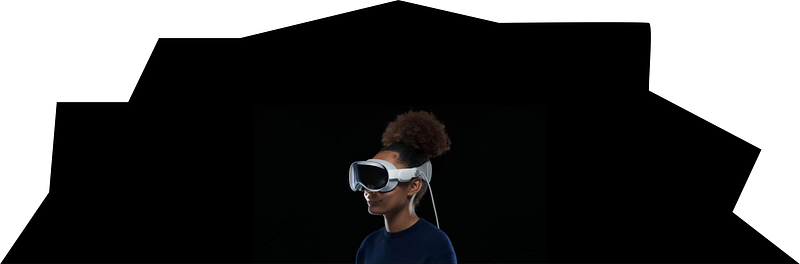
As we moonshot our way to the next version of Apple Vision Pro Headsets or post-TikTok reality, I can’t help but wonder about the role of “digital junk mail.” An abundance of irrelevant poor images in the digital world circulating to us and repelling us. It’s now not the quantity of content that matters, but the quality of our interactions and how it lingers or disappears into our future.