
Why the Human Body is So Fragile:
Understanding Our Vulnerability
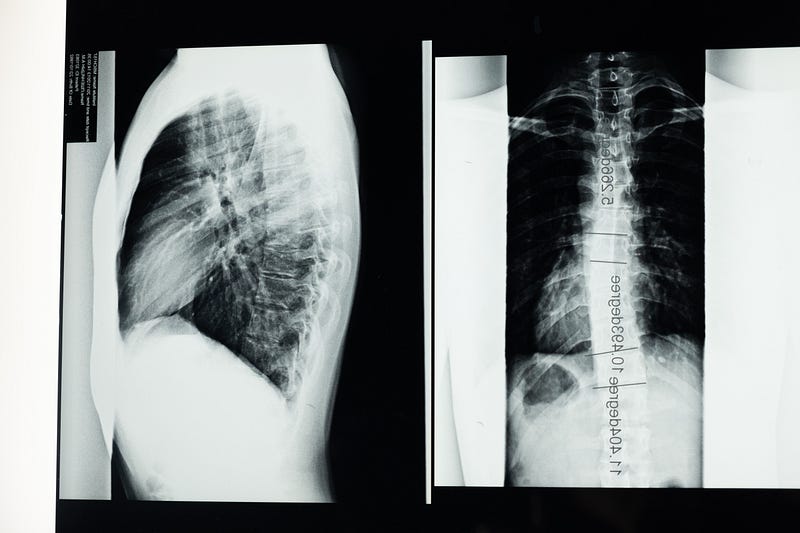
The human body is a remarkable creation. It is capable of performing complex tasks, adapting to changing environments, and healing itself from injury and illness. Yet, for all its strengths, the human body is also incredibly fragile. From a simple cold to a major injury, our bodies are susceptible to a range of threats that can leave us feeling helpless and vulnerable. So why is the human body so pathetically fragile?
Evolution and Environment
Firstly, the human body has evolved over millions of years to be optimized for survival in a particular environment. However, as our environments change, our bodies have not always kept up. For example, our bodies are designed to function optimally at a temperature of around 98.6 degrees Fahrenheit. Yet, when we are exposed to extreme heat or cold, our bodies struggle to maintain this temperature and can suffer serious consequences as a result.
“The human body is a product of millions of years of evolution, but evolution is a slow process that can’t keep up with our rapidly changing world.”
Complex Systems
Secondly, our bodies are made up of complex systems that are highly interconnected. When one system is compromised, it can have a domino effect on the rest of the body. For example, an infection in the respiratory system can spread to the rest of the body, leading to systemic inflammation and other complications.
“The interconnectedness of our body systems means that even a small problem can quickly become a big one.”
Vulnerability to External Forces
Thirdly, our bodies are highly susceptible to the impact of external forces. Even a simple fall or collision can cause significant damage to the body, from broken bones to concussions and other traumatic injuries.
“Our bodies are designed to withstand a lot, but they can only take so much before they start to break down.”
Disease and Illness
Fourthly, the human body is highly vulnerable to the impact of disease and illness. While our bodies have developed sophisticated immune systems to fight off infection, they are not foolproof. New diseases and mutations can emerge, and our bodies may not be able to mount an effective defense.
“Disease and illness have been a constant threat throughout human history, and our bodies have had to adapt to survive.”
Psychological Factors
Finally, the human body is highly susceptible to the impact of stress and psychological factors. Chronic stress and anxiety can weaken the immune system, leaving us more vulnerable to illness and disease. Additionally, psychological factors can also impact the body’s ability to heal and recover from injury.
“The mind-body connection is a powerful one, and our mental health can have a significant impact on our physical wellbeing.”
The human body is a remarkable creation that has adapted to survive in a complex and ever-changing world. However, it is also incredibly fragile and susceptible to a range of threats that can compromise its function and wellbeing. While we cannot control all of the factors that impact our bodies, we can take steps to optimize our health and wellbeing, from eating a healthy diet and getting regular exercise to managing stress and seeking medical care when needed. By taking care of our bodies, we can help them to function at their best and withstand the challenges of life.