
Why the current focus on recycling is bad for the environment.
Understanding why recycling isn’t the miracle we all believe it is.
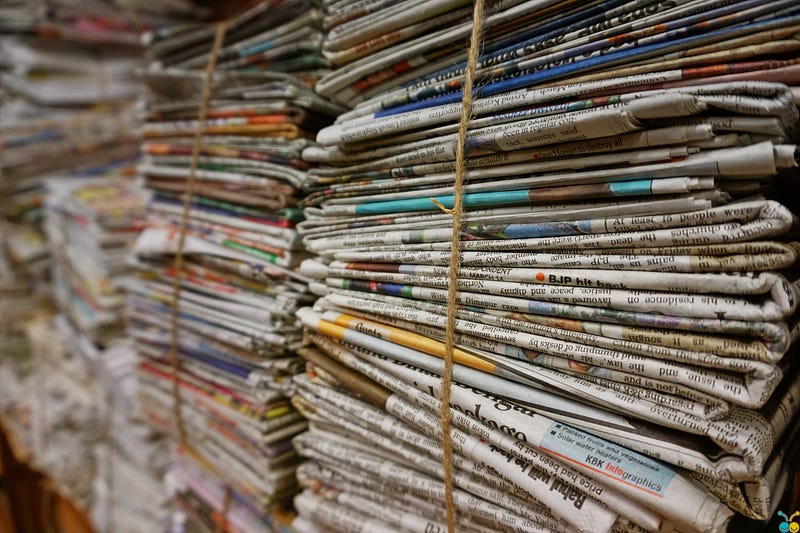
Recycling is often touted as the ‘perfect’ answer to all our environmental problems. Many businesses use the ‘trade-in model’ (bring in your old item to get a discount) to poise themselves as an environmentally sustainable company. Yes, while efforts like this are helpful to some extent in reducing the amount of recyclables that end up in the landfill, the model still encourages consumption. This causes people to use more in the long run, generating waste that is harmful to the environment.
Even when we try our best to recycle as much as we can, waste is still created during the recycling process. For example, recycling paper creates paper sludge — a mixture of dyes and ink cleaning chemicals amongst other things. At the same time, materials like plastic degrade each time it is recycled. As such, plastics are typically only useful for secondary reprocessing, often making items that are not recyclable anymore.
In many cases, contamination also happens, causing it to be difficult to use the recyclables. This happens when things that are not recyclable (those with food waste like pizza boxes, sweet wrappers and other things like used toilet and tissue paper) are mixed in with the collected material. This problem is especially bad in places that use the single bin system (one bin for all the recyclables before a materials recovery facility (MRF) sorts them out). While there is an increased quantity in collected recyclables, the quality of the collected materials is often lower.
Furthermore, recyclables are bought and sold like raw materials in the recycling industry. There must be a demand for recycled products before factories can buy more materials to process. If no one wants to buy the recyclables, they also end up in the landfill eventually. For example, China restricted its imports of certain recyclables, including mixed paper — magazines, office paper, junk mail — and most plastics from the US in 2018, causing many recyclables to be either sent to landfill or incineration.
Of course, recycling is good and we shouldn’t forget about the benefits. However, we have to realize that reducing and reusing are the better options for our environment. By buying and using less, we can reduce the need to throw or recycle in the first place. If we opt for durable reusable items, there is no need to stress about whether our plastic straws or bags can be recycled in the end. Our belief that recycling alone can save the world is causing us to consume voraciously, causing a waste epidemic that no one has the answer to. Unless more people realize that reusing our old items and reducing the amount of waste we produce has to come first, the current culture of recycling is only going to hurt us more as time passes.
You may also be interested in reading:


