
Why The Coming Reign Of Augmented Reality Scares Me
I don’t want the whole world to become a screen. I’m on screens way too much as it is.
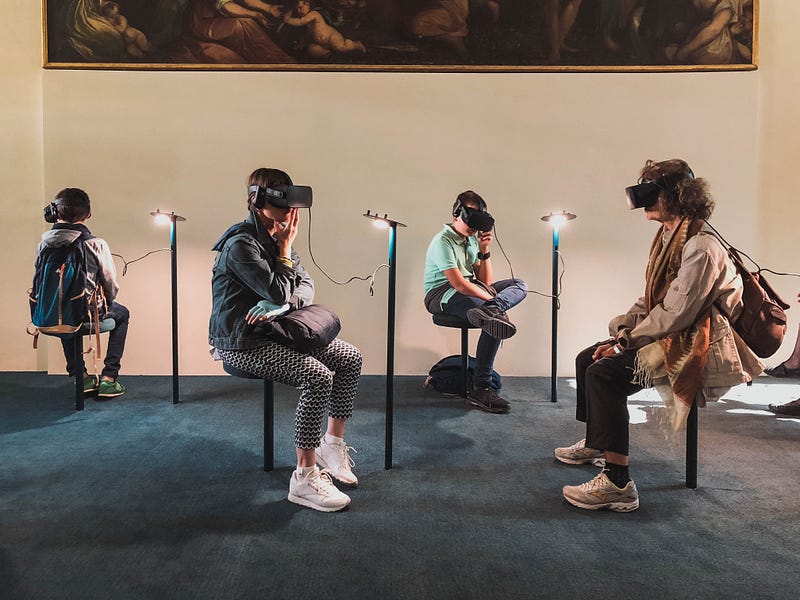
A couple years back, I picked up a copy of my University of Pennsylvania alumni magazine and found an article by freelancer Molly Petrilla (who I once had a class with, incidentally) about augmented reality. Articles about future technology and what the shape of our world will be attract me like a moth to a flame, so I quickly consumed this one.
Augmented reality (AR) is different from virtual reality in a key way: virtual reality immerses us in an entirely different environment from the one around us, whereas AR “uses the existing real-world environment and puts virtual information on top of it to enhance the experience,” in the words of Adam Hayes. Pokemon Go is an example of augmented reality, layering digital characters on top of the world we see.
I was shocked to read that Penn professor Stephen Lane, an expert in the field of augmented reality, couldn’t think of any downsides to the technology other than hits to “assembly, maintenance, and repair jobs.” To me, the dangers of AR are frightening:
- Companies collecting data on where we go and what we see
- Third parties manipulating news content and thus influencing elections
- New forms of social media taking the place of actual face-to-face interactions
- Highly addictive games that waste valuable time and money.
- Yet another means for employers to keep workers plugged in at all hours and for parents to distract kids, despite research showing that too much screen time harms early childhood development.
Already, we pick up our phones around 58 times a day and spend over a month on them each year. This obsession with technology will only get worse: with AR, we won’t have the opportunity to look up from our screens and into the pure, unadulterated world, even for a moment, because the “screen” will be superimposed over what we see. We may never be fully present again.
As someone who struggles with anxiety, I’ve had therapists tell me repeatedly that the best way to calm down the mind is to be aware of the present moment. Between my iPhone, iPad, laptop, and TV, I have a hard enough time being present as it is. We certainly won’t be helping our mental health by imposing yet another screen between us and the world — this one even more intrusive.
My feelings about augmented come down to this: I don’t want more technology “enhancing” my experience of the world — I want less. I crave real conversations, quiet time with my family, the delicious emptiness of moments when I have nothing to do but notice what’s around me. We need to consider not just the benefits of AR, but also the great cost of what we are losing.