
Why Teachers Are Not Respected In My Country Nigeria: SAD!
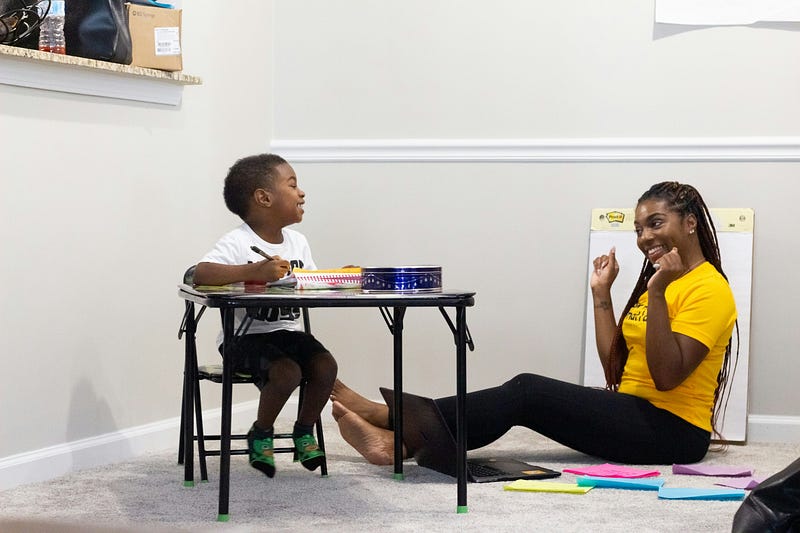
While Teacher’s influence shapes generations, molding young minds and nurturing the nation’s future, a harsh reality confronts them: a lack of respect that runs parallel to their meager pay. This is not simply an economic issue; it’s a complex tapestry woven with societal perceptions, systemic hurdles, and the silent erosion of a profession vital to Nigeria’s progress.
Imagine devoting years to mastering knowledge, honing pedagogical skills, and nurturing inquisitive minds. Imagine pouring your heart into lesson plans, correcting endless tests, and mentoring troubled students. Now, imagine doing all this while juggling inadequate resources, overcrowded classrooms, and a salary that barely covers basic necessities. This is the daily reality for countless Nigerian teachers, a reality that breeds frustration, demotivation, and a constant struggle to maintain the spark of passion amidst overwhelming challenges.
The financial pittance offered to Nigerian teachers is a slap in the face of their dedication. Salaries often fall below the living wage, forcing them to moonlight, sacrifice basic needs, and depend on precarious handouts. This financial insecurity not only impacts their livelihood but also spills over into the quality of education they can provide. Constant financial worries weigh heavily on their minds, making it difficult to fully commit to their students and prepare engaging lessons.
Sadly, the low pay is just one factor in the constellation of disrespect faced by Nigerian teachers. Societal perceptions often paint them as underachievers, their profession deemed less prestigious than other careers. Parents, burdened by their own struggles, might fail to acknowledge the immense value teachers add to their children's lives. This lack of appreciation further demotivates teachers, creating a vicious cycle of low resources, poor morale, and declining educational standards.
The challenges faced by Nigerian teachers are deeply rooted in the nation's socio-economic realities. Underfunding of education, a lack of infrastructure, and bureaucratic hurdles create a labyrinthine system that stifles progress. Overcrowded classrooms hinder individual attention, outdated textbooks limit learning opportunities, and inadequate training leave teachers grappling with evolving pedagogical needs.
While statistics scream the extent of the problem, they often fail to capture the human cost. Imagine a dedicated teacher dimming their passion to cope with financial anxiety. Imagine a gifted student losing their intellectual spark due to an overburdened teacher. The consequences of not properly valuing and supporting teachers reach far beyond classrooms, impacting the nation's social fabric and future prosperity.
What can be done? The onus lies not just on the government, but on society as a whole. Increased funding for education, coupled with reforms that ensure efficient resource allocation, is crucial. Improving teacher training, providing adequate infrastructure, and offering competitive salaries are vital steps towards creating a system that empowers educators and attracts passionate individuals to the profession.
But beyond reforms, it's about a societal shift in perception. Parents must recognize teachers as partners in their children's education, offering respect and support. Media narratives need to move beyond stereotypes and highlight the vital role teachers play in shaping the future. Each community must come together to create an environment where educators are valued, not burdened.
By addressing the challenges faced by Nigerian teachers, we begin to reweave the fabric of respect and recognition. We invest not just in their lives, but in the lives of generations to come. We nurture a society where knowledge is revered, minds are ignited, and teachers are celebrated as the unsung heroes they truly are. The journey will be long and arduous, but every voice raised in support, every step towards reform, and every spark of appreciation rekindled is a thread woven into a brighter future for Nigerian education, a future where the torch of knowledge burns bright, guided by the steady hands of respected and empowered teachers.