avatarBurak Ciftci

Free AI web copilot to create summaries, insights and extended knowledge, download it at here

2580

Abstract

fBCa4IjagYPjdDP9Q.png"><figcaption>“Prompting AI and waiting for the result had become an addiction at some point.”</figcaption></figure><p id="482a">They argue that AI <b>cannot replicate</b> the complexity of <b>human emotion</b> or the individuality of <b>human expression</b>.</p><p id="626e">Additionally, some artists are <b>concerned </b>about <b>losing</b> <b>creative control</b> over their <b>work</b>. AI-generated art is often created using <b>algorithms</b> and data sets, leaving little room for the artist’s personal touch.</p><h1 id="e0e5">The Impact on the Art Market</h1><p id="308a">The <b>rise</b> of AI-generated art has the potential to <b>disrupt</b> the traditional art market. As AI-generated art becomes more <b>prevalent</b>, it could lead to a <b>decrease in demand</b> for traditional art, causing artists to <b>lose income</b>.</p><figure id="01c7"><img src="https://cdn-images-1.readmedium.com/v2/resize:fit:800/1*ppfRtMjiND3FjItC43Byyw.jpeg"><figcaption>“I asked AI to generate an image of a retro-futuristic woman with the style of the 1960s. What do you think ? :)”</figcaption></figure><p id="070b">Additionally, the lower cost of AI-generated art could lead to a <b>decline</b> in the perceived <b>value of traditional art</b>, further affecting artists’ <b>livelihoods</b>.</p><h1 id="802b">Possible Solutions</h1><p id="c3ed">To address the <b>concerns</b> of artists, it is important to find ways to <b>incorporate</b> AI into the creative process <b>without replacing</b> human artists.</p><figure id="d438"><img src="https://cdn-images-1.readmedium.com/v2/resize:fit:800/1*NjosoJQ5rTuClu-wLhKoJw.jpeg"><figcaption>“I asked AI to generate an oil painting of London in the style of Da Vinci, and the result was shocking.”</figcaption></figure><p id="a764">One way to do this is by using AI as a tool to <b>enhance</b> human creativity, <b>rather than</b> as a <b>replacement</b> for it. Education and public awareness campaigns can help people understand the value of traditional art and the importance of supporting artists.</p><h1 id="83e2">Several notable artists who have incorporated AI-generated images in their work:</h1><blockquote id="1215"><p><a href="undefined">Refik Anadol</a> — Anadol is a media artist who has gained recognition for his use of AI and machine learning in his installations. One of his most famous works is “<b>Machine Hallucination,</b>” which uses AI algorithms to create an immersive experience of a digital cityscape.</p></blockquote><figure id="f8cc"><img src="https://cdn-images-1.readmedium.com/v2/resize

Options

:fit:800/1*7F9rJWhEIrYMYB_qzT33Aw.jpeg"><figcaption></figcaption></figure><blockquote id="3654"><p><a href="undefined">Mario Klingemann</a> — Klingemann is a German artist who uses AI to create digital art that blurs the line between human and machine creativity. His work includes generative portraits and abstract digital compositions.</p></blockquote><figure id="adc5"><img src="https://cdn-images-1.readmedium.com/v2/resize:fit:800/1*vbxFQMlpH9j8xJHrEYINWQ.jpeg"><figcaption></figcaption></figure><blockquote id="1cb4"><p><a href="undefined">Trevor Paglen</a> — Paglen is an American artist and writer who has worked with AI to explore the politics of surveillance and data collection. His work often involves training AI algorithms to recognize and classify objects in images.</p></blockquote><figure id="cdf7"><img src="https://cdn-images-1.readmedium.com/v2/resize:fit:800/1*mlPgnGwLG1J1KrvGeIuIEw.jpeg"><figcaption></figcaption></figure><blockquote id="91b2"><p><a href="undefined">Sougwen Chung</a> — Chung is a Canadian artist who uses AI and robotics to create large-scale installations that explore the relationship between humans and machines. Her work includes collaborative drawing sessions between robots and humans.</p></blockquote><figure id="4808"><img src="https://cdn-images-1.readmedium.com/v2/resize:fit:800/1*kqSkCZHLyfgjbx76RLpfuA.jpeg"><figcaption></figcaption></figure><p id="d652">These artists, among others, are at the forefront of a growing movement of artists who are exploring the creative potential of AI-generated art.</p><p id="1d75">If you are interested in discovering some truly remarkable works of art, I would <b>highly recommend</b> taking a closer look at the amazing collection of artworks created by them.</p><p id="1e85"><b>In conclusion,</b> AI-generated art has both advantages and disadvantages. While it can generate art quickly and inexpensively, some artists are concerned about the impact it could have on their careers.</p><figure id="dfd1"><img src="https://cdn-images-1.readmedium.com/v2/resize:fit:800/1*b71Cz8t2AhiujjME2hWVQQ.png"><figcaption>Here, I asked AI to generate the 1975 Checker Taxi from the movie “Taxi Driver” (1976), and the result was hard to believe.</figcaption></figure><p id="2b09">As AI continues to advance, it is important to find ways to incorporate it into the creative process without devaluing the work of human artists.</p><p id="d746"><b>By working together, artists and AI can create a new era of creativity that benefits everyone.</b></p><p id="8761">Thanks for reading!</p></article></body>

Why some artists see AI-generated art as a threat to their livelihood

Is concern necessary?

Have you ever wondered why Artificial Intelligence (AI) has been rapidly advancing in recent years, leading to the creation of various AI-generated artworks ?
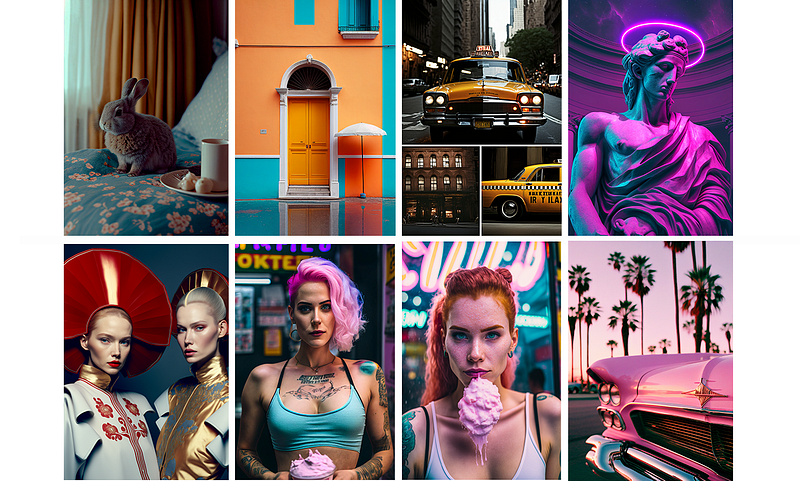
“All the images you see in this article were created by me with the help of Midjourney’s AI image generator.”

Yes, those images that you are observing have been generated by the means of Artificial Intelligence (AI) with utmost precision and accuracy, as the AI has been trained through vast amounts of data and cutting-edge algorithms to create lifelike and visually appealing digital artwork.

These digital creations have gained attention and popularity, causing controversy within the art community.

While some people see AI-generated art as an exciting new form of creative expression, others view it as a threat to their livelihoods.

In this article, we will explore why some artists are concerned about AI-generated art and how it could impact their careers.

The Advantages of AI-Generated Art

Using AI to create art has several advantages over traditional methods. Firstly, AI can generate artwork at a much faster rate than humans. This is because AI can process large amounts of data quickly and efficiently.
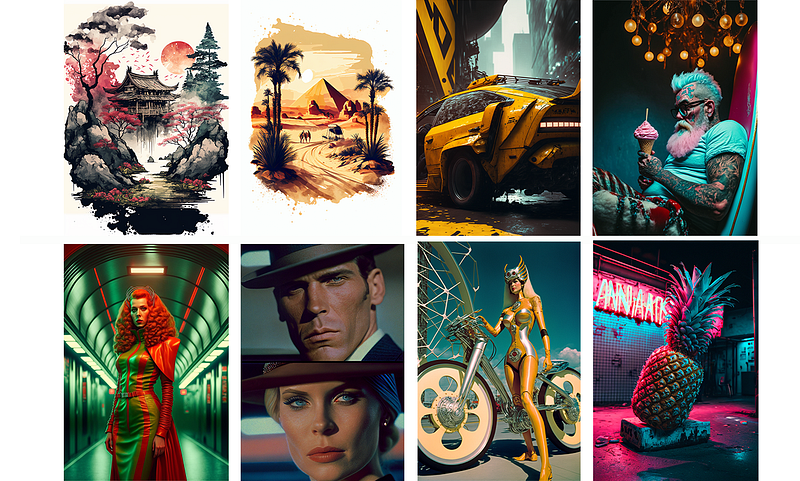
“And here are more examples of my collaboration between my imagination and AI.”

Additionally, AI-generated art can be produced at a lower cost than traditional art, as it does not require physical materials or human labor. This has made AI-generated art accessible to a wider audience, as it can be sold at a lower price point.

The Artist’s Perspective

Despite the benefits of AI-generated art, many artists are concerned about its impact on their careers. Some artists believe that AI-generated art lacks the emotional depth and authenticity that comes with human creativity.
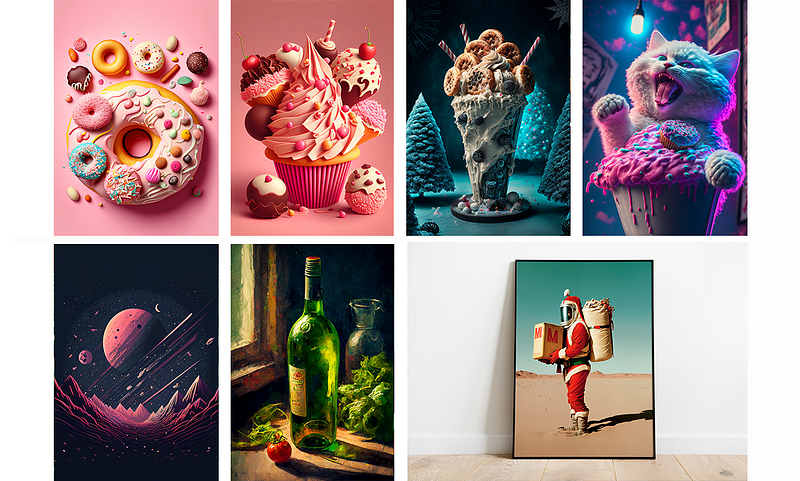
“Prompting AI and waiting for the result had become an addiction at some point.”

They argue that AI cannot replicate the complexity of human emotion or the individuality of human expression.

Additionally, some artists are concerned about losing creative control over their work. AI-generated art is often created using algorithms and data sets, leaving little room for the artist’s personal touch.

The Impact on the Art Market

The rise of AI-generated art has the potential to disrupt the traditional art market. As AI-generated art becomes more prevalent, it could lead to a decrease in demand for traditional art, causing artists to lose income.
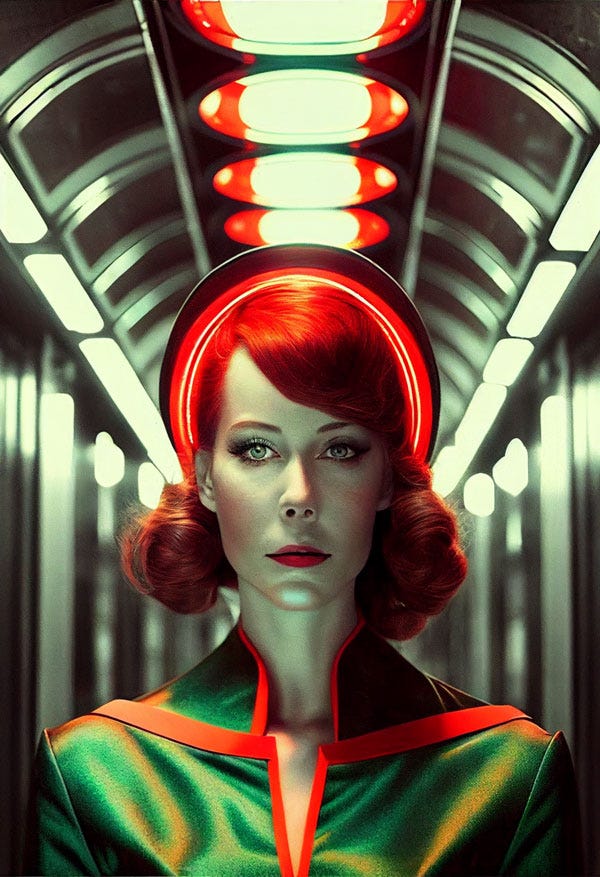
“I asked AI to generate an image of a retro-futuristic woman with the style of the 1960s. What do you think ? :)”

Additionally, the lower cost of AI-generated art could lead to a decline in the perceived value of traditional art, further affecting artists’ livelihoods.

Possible Solutions

To address the concerns of artists, it is important to find ways to incorporate AI into the creative process without replacing human artists.
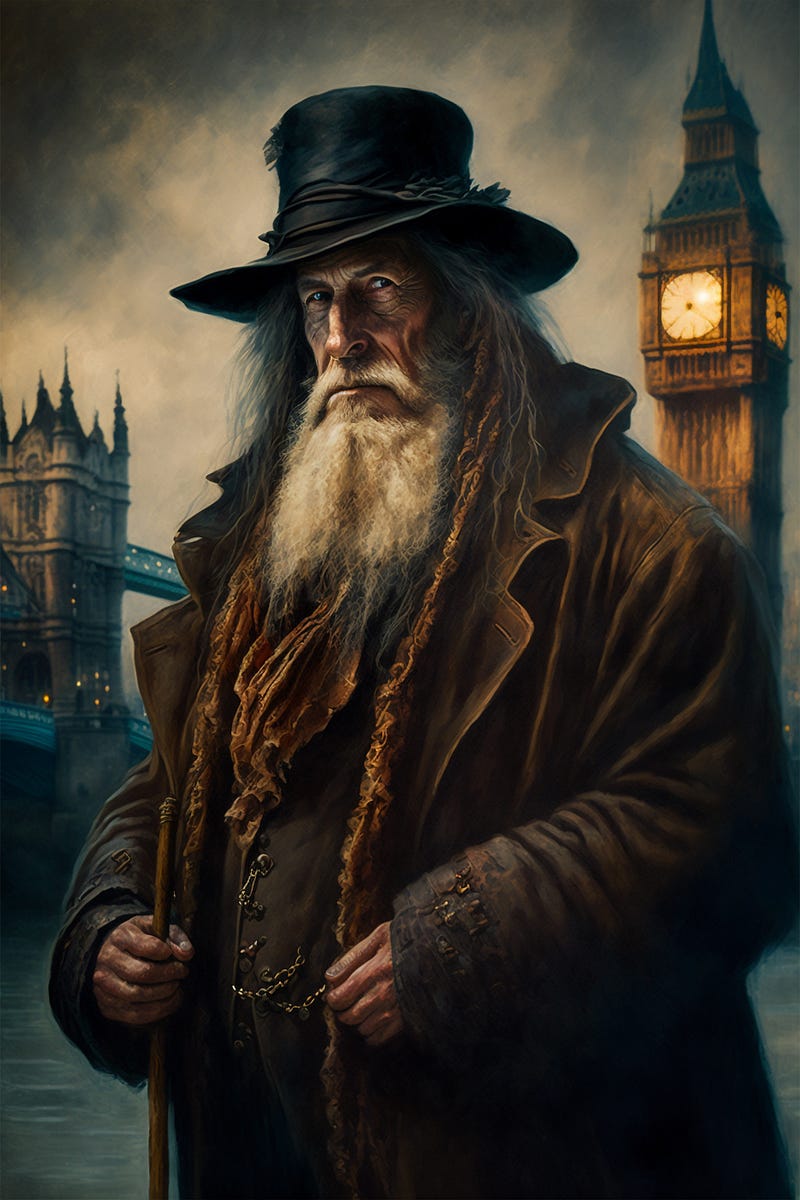
“I asked AI to generate an oil painting of London in the style of Da Vinci, and the result was shocking.”

One way to do this is by using AI as a tool to enhance human creativity, rather than as a replacement for it. Education and public awareness campaigns can help people understand the value of traditional art and the importance of supporting artists.

Several notable artists who have incorporated AI-generated images in their work:

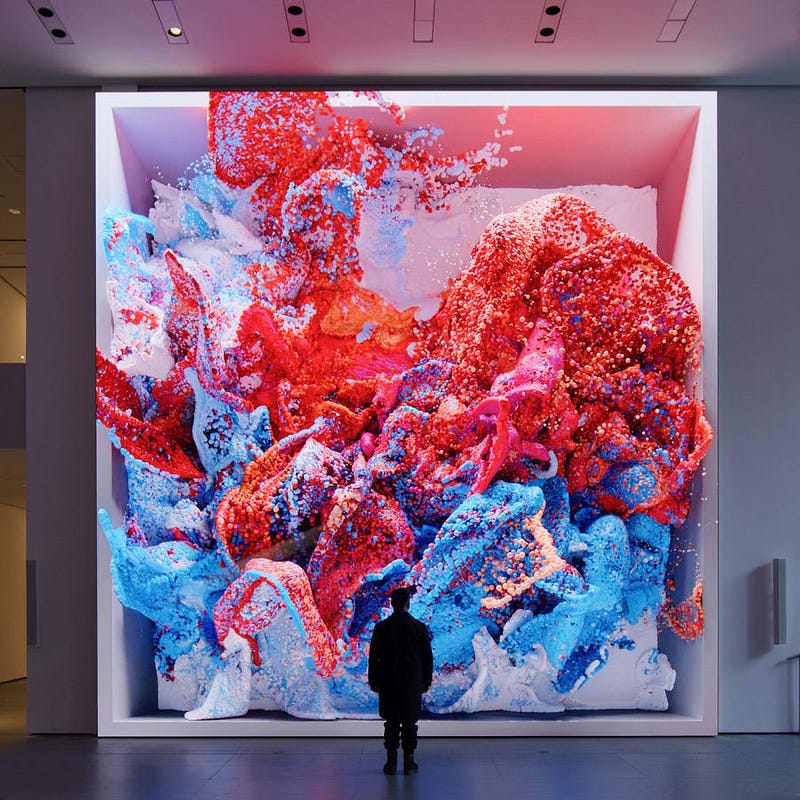
Refik Anadol — Anadol is a media artist who has gained recognition for his use of AI and machine learning in his installations. One of his most famous works is “Machine Hallucination,” which uses AI algorithms to create an immersive experience of a digital cityscape.
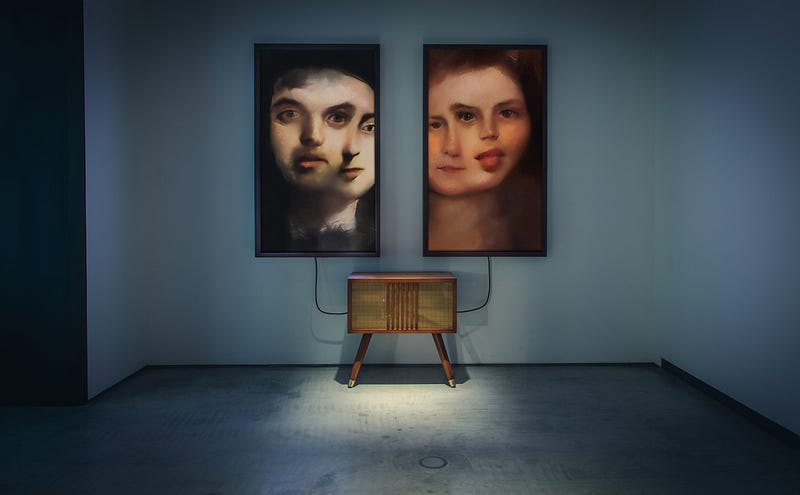
Mario Klingemann — Klingemann is a German artist who uses AI to create digital art that blurs the line between human and machine creativity. His work includes generative portraits and abstract digital compositions.
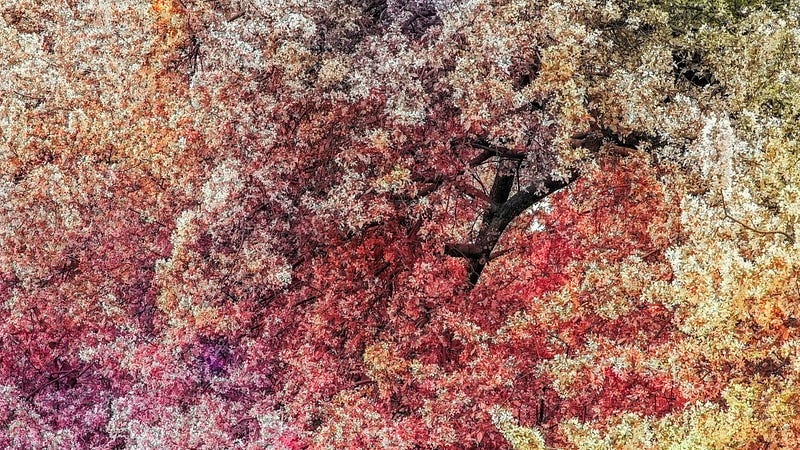
Trevor Paglen — Paglen is an American artist and writer who has worked with AI to explore the politics of surveillance and data collection. His work often involves training AI algorithms to recognize and classify objects in images.
Sougwen Chung — Chung is a Canadian artist who uses AI and robotics to create large-scale installations that explore the relationship between humans and machines. Her work includes collaborative drawing sessions between robots and humans.
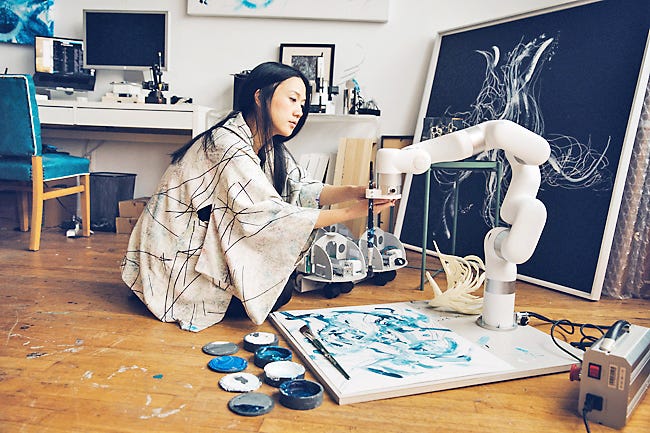
These artists, among others, are at the forefront of a growing movement of artists who are exploring the creative potential of AI-generated art.

If you are interested in discovering some truly remarkable works of art, I would highly recommend taking a closer look at the amazing collection of artworks created by them.

In conclusion, AI-generated art has both advantages and disadvantages. While it can generate art quickly and inexpensively, some artists are concerned about the impact it could have on their careers.
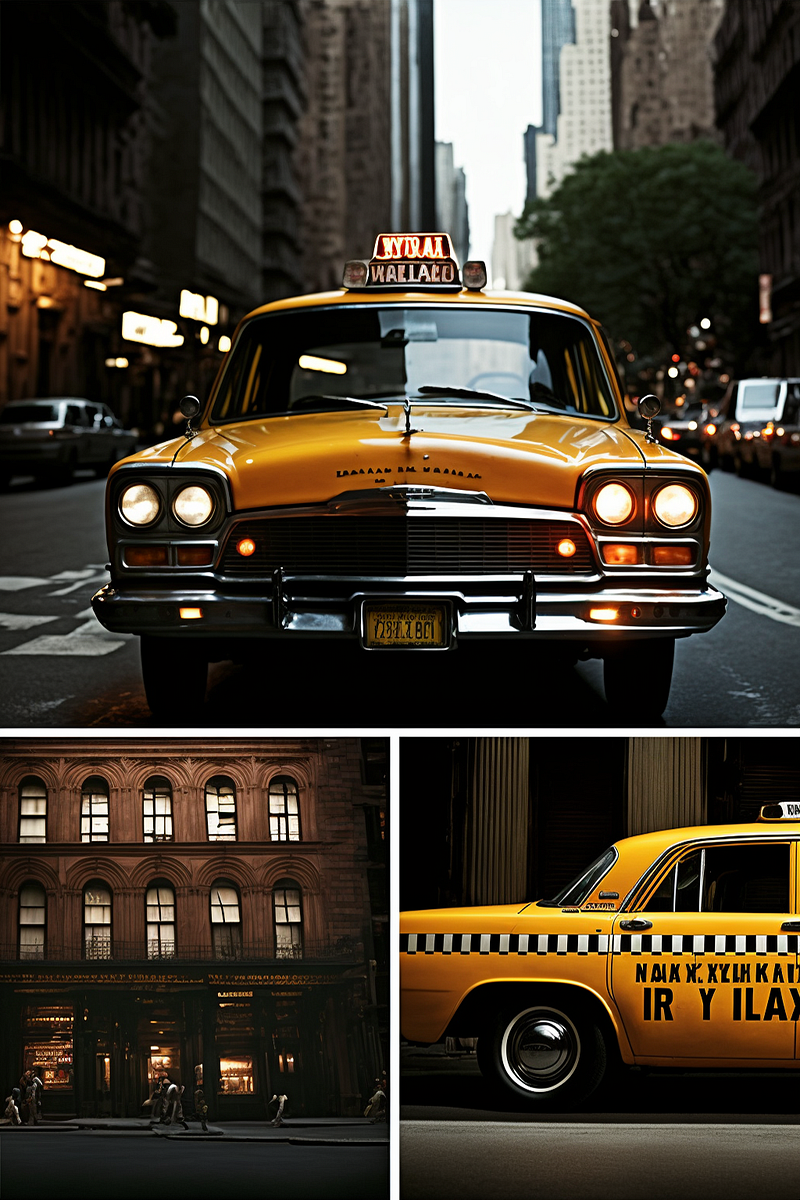
Here, I asked AI to generate the 1975 Checker Taxi from the movie “Taxi Driver” (1976), and the result was hard to believe.

As AI continues to advance, it is important to find ways to incorporate it into the creative process without devaluing the work of human artists.

By working together, artists and AI can create a new era of creativity that benefits everyone.

Thanks for reading!

Ai Art
AI
Art
Midjourney
Artificial Intelligence
Recommended from ReadMedium