avatarMarcus Tan

Free AI web copilot to create summaries, insights and extended knowledge, download it at here

2274

Abstract

.46% increase</b> from 2020.</p></blockquote><blockquote id="13e6"><p>U.S. inflation rate for 2020 was <b>1.23%</b>, a <b>0.58% decline</b> from 2019.</p></blockquote><blockquote id="87ef"><p>U.S. inflation rate for 2019 was <b>1.81%</b>, a <b>0.63% decline</b> from 2018.</p></blockquote><blockquote id="5669"><p>U.S. inflation rate for 2018 was <b>2.44%</b>, a <b>0.31% increase</b> from 2017.</p></blockquote><h1 id="65ca">Focus on maintaining your existing income</h1><figure id="1d48"><img src="https://cdn-images-1.readmedium.com/v2/resize:fit:800/0*4KwSliqtlewLdSSe.jpeg"><figcaption>Photo by <a href="https://www.pexels.com/photo/unrecognizable-man-holding-wallet-with-money-4386421/">Karolina Grabowska from Pexels</a></figcaption></figure><p id="9f21">If you have a career or a business continue working at it. Keep your job and maintain your business. You want to make sure you have money coming in every month to support yourself.</p><p id="e072" type="7">Are you spending less than you’re bringing in?</p><p id="c465">Focus on adding value to ensure that you are an asset to the company that you are with. If you have a business, focus on adding value to your customers and stakeholders.</p><h1 id="eee4">Have an emergency fund</h1><figure id="28a6"><img src="https://cdn-images-1.readmedium.com/v2/resize:fit:800/0*l2DPv_Hf5Zu4iUd1"><figcaption>Photo by <a href="https://www.pexels.com/photo/manual-red-fire-alarm-system-7425340/">Nothing Ahead from Pexels</a></figcaption></figure><p id="9b28">Since there is uncertainty looming ahead and with many people being laid off unexpectedly, having an emergency fund is key.</p><p id="c8fd" type="7">Are you saving at a consistent rate?</p><p id="d259">Most experts recommend 3–6 months, however, you can build it up to 9 and 12 months of emergency expenses.</p><h1 id="5ef0">Retirement fund</h1><figure id="3f85"><img src="https://cdn-images-1.readmedium.com/v2/resize:fit:800/0*qJOoLjELLB8bFX48"><figcaption>Photo by <a href="https://www.pexels.com/photo/people-on-seashore-1377070/">Huy Phan from Pexels</a></figcaption></figure><p id="fb76">If your employer has a 401k employer pension scheme, be sure to take full advantage and max out the contributed amount. You want to have your money working for you in the b

Options

ackground regardless of whatever is happening in your life. You can also contribute to a Roth IRA.</p><p id="5119" type="7">Are you grabbing all of your employer’s available matching dollars in your 401(k) plan?</p><p id="23b1">If you are based outside the United States, you can contribute to a pension plan or a private retirement scheme.</p><h1 id="be2f">Find new income streams</h1><figure id="8660"><img src="https://cdn-images-1.readmedium.com/v2/resize:fit:800/0*nAJKxUtv3itxZnkx"><figcaption>Photo by <a href="https://www.pexels.com/photo/scenic-view-of-waterfalls-8647235/">Andrea De Santis from Pexels</a></figcaption></figure><p id="9aae">There is nothing riskier than just having a single source of income coming in. Should anything happen to that income stream, you are at risk of not being able to put food on the table.</p><p id="3a6c">You can start a side hustle, a business or freelancing on the side.</p><p id="c626">If you are unsure of where to get started, figure out what you are passionate about and good at. Only consider what can you do long-term sustainably that you can build your business and income stream around.</p><p id="6832" type="7">Are you actually working to amass enough money to do the things you want to do in life and in retirement?</p><h1 id="a7ee">Break down your goals</h1><figure id="80d6"><img src="https://cdn-images-1.readmedium.com/v2/resize:fit:800/0*wT1YBN4gkCtVykuw"><figcaption>Photo by <a href="https://www.pexels.com/photo/hands-of-person-cutting-pink-cake-5845852/">ROMAN ODINTSOV from Pexels</a></figcaption></figure><p id="836e">Whatever goals that you have right now (eg buying a house, getting married, going on a holiday etc), break them down into bite-sized chunks so that it is more manageable.</p><p id="d019">When you break the chunkier goals into smaller manageable pieces, you can put that into play no matter what the economy is doing around you.</p><p id="5b56" type="7">Have you figured out how much you’re going to need financially for your savings goal?</p><h1 id="556c">Conclusion</h1><p id="cd49">We can’t control what happens in the economy or the future, what we can control is the actionable steps that we take right now so that we are taken care of now and in the near future.</p></article></body>

Why Should You Focus On Your Personal Economy And Not The Next Recession?

Staying Afloat Means Planning Ahead

Photo by Andrea Piacquadio from Pexels

Everyone is worried about the next recession. There are talks about it being this year 2022, or in the next year 2023. There are many speculations about when the recession will hit or if it will ever hit at all.

According to the International Monetary Fund, “The US economy is likely to slow in 2022 and 2023 but will “narrowly avoid a recession” as the Federal Reserve implements its rate-tightening plan to curb inflation.”

There are many speculations and uncertainty that are going on. But rather than focusing on that, it would be more beneficial for you to focus on your own personal economy, something that affects you directly and something that you can actually control.

Recession
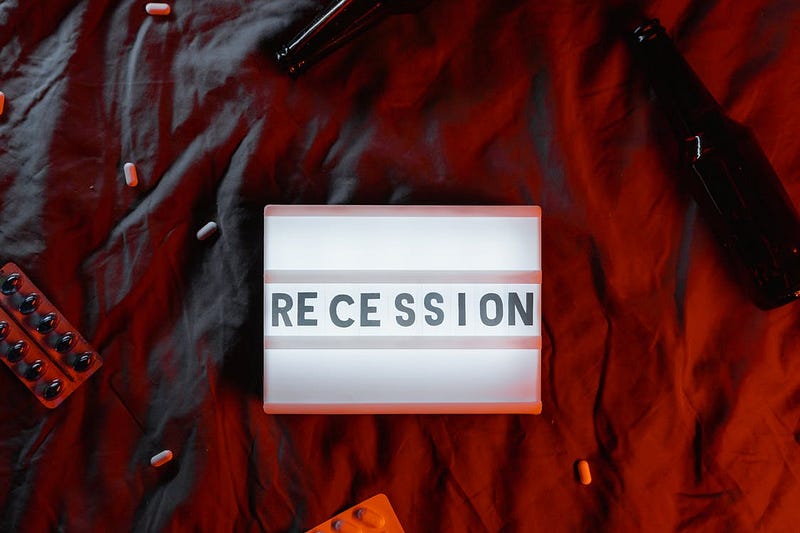
Photo by MART PRODUCTION from Pexels

A recession is part of the lifecycle of an economy. A recession is defined as a significant decline in economic activity that is spread across the economy and lasts more than a few months.

As of Jun 2021, the inflation rate is alarming at 9.1%.

To really put it into perspective below is the inflation rate in the past decade:
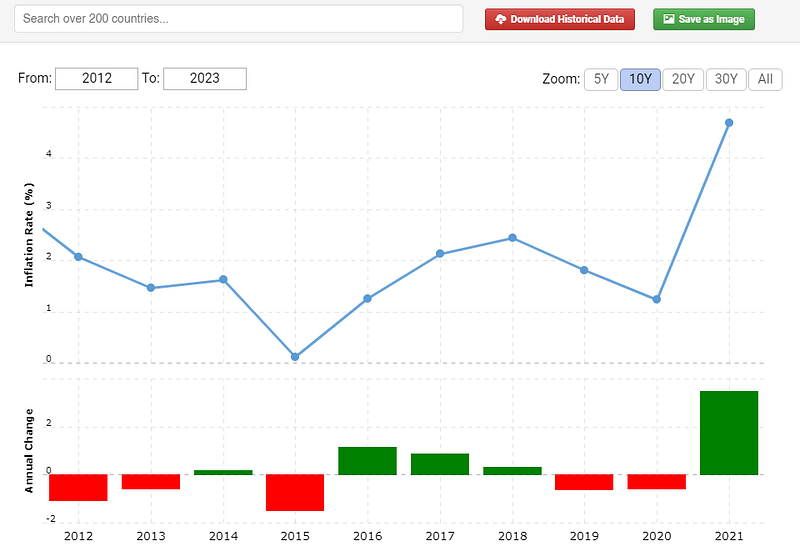
Source: Macrotrends

U.S. inflation rate for 2021 was 4.70%, a 3.46% increase from 2020.

U.S. inflation rate for 2020 was 1.23%, a 0.58% decline from 2019.

U.S. inflation rate for 2019 was 1.81%, a 0.63% decline from 2018.

U.S. inflation rate for 2018 was 2.44%, a 0.31% increase from 2017.

Focus on maintaining your existing income

Photo by Karolina Grabowska from Pexels

If you have a career or a business continue working at it. Keep your job and maintain your business. You want to make sure you have money coming in every month to support yourself.

Are you spending less than you’re bringing in?

Focus on adding value to ensure that you are an asset to the company that you are with. If you have a business, focus on adding value to your customers and stakeholders.

Have an emergency fund
Photo by Nothing Ahead from Pexels

Since there is uncertainty looming ahead and with many people being laid off unexpectedly, having an emergency fund is key.

Are you saving at a consistent rate?

Most experts recommend 3–6 months, however, you can build it up to 9 and 12 months of emergency expenses.

Retirement fund

Photo by Huy Phan from Pexels

If your employer has a 401k employer pension scheme, be sure to take full advantage and max out the contributed amount. You want to have your money working for you in the background regardless of whatever is happening in your life. You can also contribute to a Roth IRA.

Are you grabbing all of your employer’s available matching dollars in your 401(k) plan?

If you are based outside the United States, you can contribute to a pension plan or a private retirement scheme.

Find new income streams

Photo by Andrea De Santis from Pexels

There is nothing riskier than just having a single source of income coming in. Should anything happen to that income stream, you are at risk of not being able to put food on the table.

You can start a side hustle, a business or freelancing on the side.

If you are unsure of where to get started, figure out what you are passionate about and good at. Only consider what can you do long-term sustainably that you can build your business and income stream around.

Are you actually working to amass enough money to do the things you want to do in life and in retirement?

Break down your goals

Photo by ROMAN ODINTSOV from Pexels

Whatever goals that you have right now (eg buying a house, getting married, going on a holiday etc), break them down into bite-sized chunks so that it is more manageable.

When you break the chunkier goals into smaller manageable pieces, you can put that into play no matter what the economy is doing around you.

Have you figured out how much you’re going to need financially for your savings goal?

Conclusion

We can’t control what happens in the economy or the future, what we can control is the actionable steps that we take right now so that we are taken care of now and in the near future.

Money
Recession
Wealth
Economy
Income
Recommended from ReadMedium