
Why Sad Music Makes Me Happy
It hurts so good
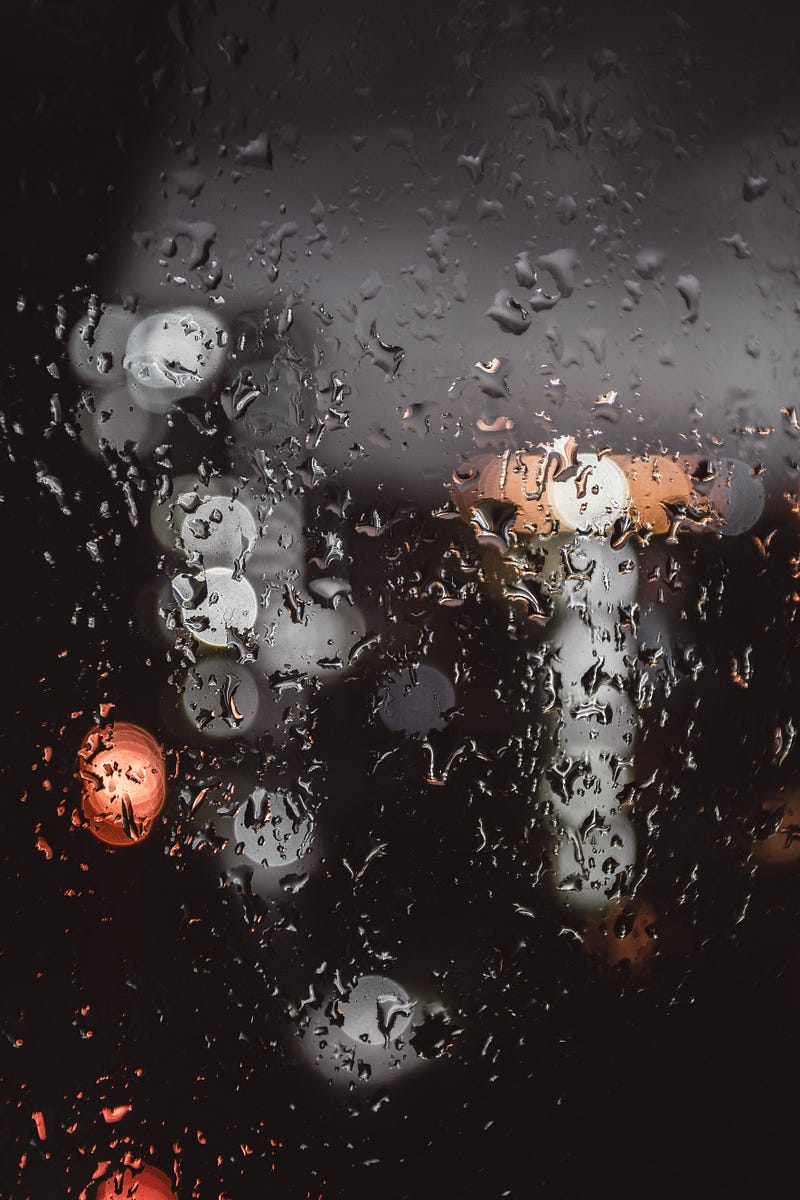
Like raindrops on a window and the barren limbs of an old oak tree, sadness is all around us.
Frankly, it’s underrated.
Sadness is there for a reason. If nothing else it’s good for contrast. Without the bitter we wouldn’t be able to taste the sweet.
While driving to work yesterday, I was struck how much slow, somber music I listen to. Am I depressed? What is it about this music that I like so much?
There’s so much pressure on us to seem happy. Why? Why can’t we just be how we are? Why should I be happy?
Sure, my life looks peachy from the outside. But what you see from the outside is not at all an accurate representation of who we really are, or how we truly feel. Why can’t we be allowed to be sad and process life instead of pretending to be some cultural or societal vision of “happy?”
We all do it. When people ask you if you’re okay, you always answer, “Oh yeah, I’m fine.” Even when you don’t feel fine. You never answer, “Well, I just came from the orthopedist and I’m feeling a little worried even though I have no family history of elbow cancer, but it’s still on my mind and I haven’t slept in three days because my wife and I got into an argument and we went to bed angry and the sink is leaking a little in the bathroom but it’s no big deal as long as it doesn’t leak into the basement where I had just refinished the ceiling from the last time the kids clogged the toilet and flooded the bathroom…”
Nobody does that. We’re just “fine.”
Being positive is one thing, but being in denial is another. As if we need to be strong or perfect or full of sunshine and unicorn farts all the time.
Some call this toxic positivity. It pretty much means bullshitting everyone, including yourself. We spend too much energy trying to keep our shit together — or at least appear that way.
A couple years back I noticed a pattern. When I went to meet with my therapist and she asked how I was, I’d always say, “Good! I’m great. Never better. In fact, I don’t even know why I’m here!” It didn’t matter if I was falling apart inside or not.
My musical tastes don’t represent my mood. They’re what makes me feel good in that moment. Sometimes that moment is sad, others it is peaceful or upbeat. Sometimes a good sad song allows me to slow down enough to be present in the moment. When I hear The Stable Song by Gregory Alan Isakov, I can feel the sands of time slipping through my fingers, and I look up and see my kids running happily through the yard in slow motion. The song itself isn’t inherently sad, but it is somber. Peaceful. It’s poetry with a soundtrack.
Do you remember being a kid in the backseat of the car watching raindrops race to the bottom? When I hear old sad songs I see the low, grey clouds, and feel the cool dewy window on my smaller hands. I spent many days watching those raindrops as we drove, pensively deep in thought. I love that feeling. Now I glance in the rear-view mirror and see my kids looking out the window at the world passing by, knowing they’re growing right in front of me.
Sad songs are like poetry in a world of thriller novels. They’re like stepping out from a rave to have a quiet cup of tea. They make me slow down and feel rather than hurry up and miss the life that’s happening before my eyes.
Sad songs and somber melodies are slow, peaceful, and aesthetically pleasing. Above all, they’re beautiful.
Maybe I enjoy hearing about someone else’s pain while not having to experience it myself. It can be grounding to hear about another’s agony as we view our own life in the mirror. Is it fair to compare my good life to someone else’s miserable one? Sure it is. They wrote it so that we could enjoy their journey and share their feelings through art.
I recently read about the “Sadness Paradox,” where people listen to sad music because it makes them feel good. They can feel increased empathy, experience vicarious emotion, and the production of prolactin which helps calm us to counteract mental pain.
From the University of Melbourne:
Several studies conducted by music psychologists suggest that people who are high in empathy are more likely to enjoy sad music. This might be because they better understand or are more easily moved by the perceived emotions it conveys (i.e. sensitive to emotional contagion).
Emotional contagion. Damn, that’s a hell of a thought.
My theory has always been that music is pure, condensed emotion. If you take the entire arc of a relationship and boil its demise down to four minutes, of course you’re going to get the sounds of audible agony in song-form. Just as movies aren’t true representations of normal lives, songs aren’t true representations of the entirety of relationships. These two artforms only provide highlights, and highlights are the best and worst parts of any given situation.
I want to listen to something that makes me feel. One that makes me cry either joyous tears or sad tears. Not all the time, mind you, but I like to feel not dead inside. And sometimes that happens when you hear a song about a lost love, or a sudden change, or a lighthouse keeper jumping off the lighthouse.
It’s okay to be sad. It’s okay to feel all the things. Pretending to be fine to the point of denial isn’t healthy, it’s counterproductive. So, enjoy that sad song on a Monday morning. It’s okay to wallow in sadness if it makes you feel better.
One of my favorite sad songs of all time?
Ray Lamontagne — Jolene.
I still don’t know what love means.