
Psychology | Mindset
Why Resilience is a Superpower
And seven ways to increase yours
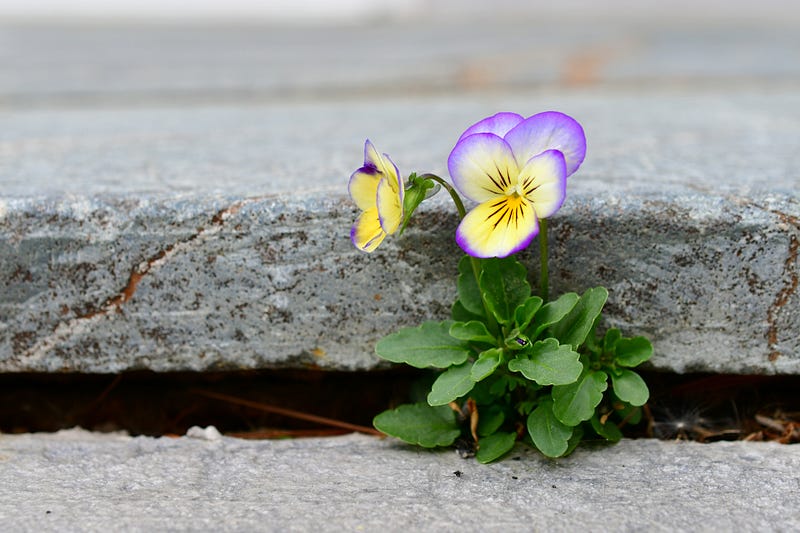
“I bent until I damn near broke. But that’s the thing about resilience…It shows up just as your soul begins to cry and catapults your strength into over-drive.” ~Alfa
What is Resilience?
Resilience is the ability to bounce back from difficult situations with relative ease or time. Some of us are certainly more resilient than others, but the good news is we can all grow our resilience.
I try to embrace a growth mindset rather than a fixed mindset which I believe has helped tremendously in building resiliency in my own life. I also believe that having a vision of what I desire helps. This way, when life knocks me down, and it will, I can keep things in perspective, and I do not catastrophize. When I get overwhelmed, I just remind myself that everything is temporary.
“It always seems impossible until it’s done.” Nelson Mandela
Practicing present moment awareness is very helpful for me. I worry when I think about the future, but when I bring my attention back to the task I am focused on in the present moment I can remind myself that I am safe, and I am far better sharpened and clear minded. I have a great sense of accomplishment when I overcome a difficult task or hurdle in life, learn something new, or bounce back from a total failure.
How to Build Resilience.
- Recognize the signs and symptoms of stress — both physical and mental. Then notice what you tend to do when you feel stressed. How do you cope? Do you overeat or over drink? Do you binge watch T.V.? Do you shop? Now think about what small changes you can make to improve and become healthier when you feel those signs of stress. For example, making healthier food choices, moving your body, or drinking water. Make a list and be prepared.
- Connect with supportive people.
- Use positive self-talk and affirmations such as, “I am stronger than I thought.” “I am capable of anything I set my mind to.” “This too will pass.”
- Remind yourself that life’s challenges are temporary.
- Practice self-care. Get enough sleep, eat well, meditate, move your body, do activities you enjoy — remember, having fun is an important part of life.
- Have a vision of what you desire. Set long- and short-term goals.
- Practice random acts of kindness and practice gratitude daily.
“Only those who dare to fail greatly, can ever achieve greatly.” ~ Robert F. Kennedy
Resilience helps me face the demands of life.
I am better equipped to handle conflicts in relationships, to problem solve in the workplace, and to regulate my emotions.
Some of my personal favorite self-soothing activities that help me during challenging times include:
- Taking an Epson salt aromatherapy bath
- Lighting aromatherapy candles
- Listening to soothing music
- Petting my dogs
- Saying positive affirmations
- Talking a walk, especially in the woods
- Getting on my yoga mat
- Hugging someone I love
Identifying my strengths is also a huge boost to my self-esteem when my mood is low. Something as simple as journaling and listing the things I am good at is a great reminder to myself not to let myself get too down about whatever it is going wrong at the moment. I also like to pause and make a list of all that I am grateful for. Then when I am down, I can revisit these journal entries as a reminder to cheer up and pull out of the downward spiral.
“During Difficult times, an important resiliency step is being able to express your feelings in healthy ways. You can’t make feelings go away, but you can move through them.” ~ Al Siebert
Finally, improving emotional intelligence improves resiliency. Having higher emotional intelligence generally improves our relationships and the amount of empathy we have for others. Therefore, a person who is self-aware and empathetic towards others will generally be able to bounce back from difficult situations because they have the basic skills and knowledge to problem solve and seek support, understanding, and forgiveness when necessary.
I hope some of these things will help boost your resilience and help you bounce back from difficult times. We were not meant to solely survive this life, but instead to thrive. In order to do so we need as many helpful tools in our mental toolkit as we can get.
I hope you watched the short motivational video I included. I will leave you with this final question. What is your WHY?
References:
Psychology today
Daniel Goleman, Emotional Intelligence
I am Libby Shively McAvoy, a Personal Development and Relationship Coach specializing in Emotional Intelligence. I have survived both physical and emotional abuse and I believe that building EQ will give people the skills they need to increase empathy, communication, and awareness and reduce violence, abuse, and bullying.
Thank you so much for taking the time to read this. Please comment and let me know your personal techniques for bouncing back from difficult situations. I invite you to click here to join the Medium Partner Program for unlimited articles.
Light and Love,
Libby


