
Why Religious Critics Miss Some Clear Parallels Between Harry Potter and the Bible
It’s because they won’t read the books.
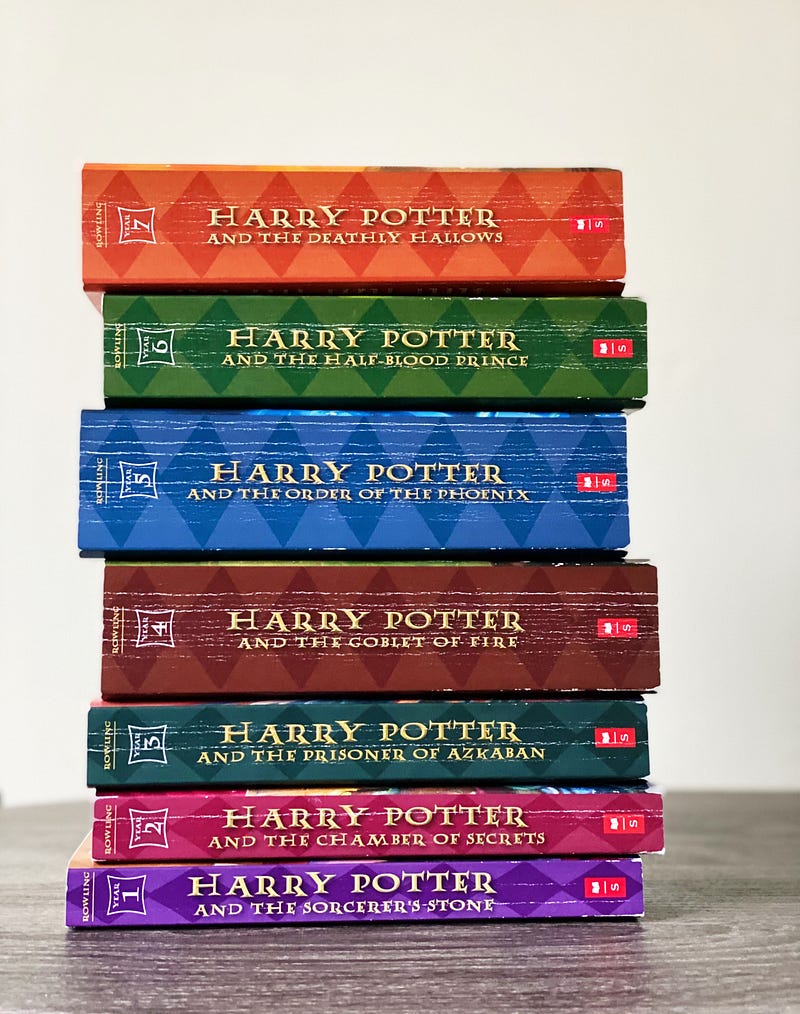
Almost 25 years after the publication of Harry Potter and the Sorcerer’s Stone, controversy still surrounds the boy wizard and his books in some circles. I clearly remember the day a few years ago when a woman came into my bookstore asking for book suggestions for her son. When I asked if he had read the Potter books, she recoiled as if I had thrown boiling oil on her. The ensuing conversation went like this:
“Those books are of the devil,” she said.
“Have you read them?” I asked her.
“No.”
“Then how do you know what they’re like?”
“I just know,” she said with the conviction only found in true believers.
“You just… know,” I said in my best Alan Rickman/Severus Snape voice. “How grand it must be to be the Chosen One.”
She didn’t get the reference and left without buying anything, but it was still fun to drop that quote. What was not fun, then or now, is the continued ridiculous criticism this series receives from those who won’t even bother to join the hundreds of millions of us who have read it.
Obviously not everyone will read everything; even if we wanted to, it’s just not possible, and we all have different tastes. My objection here is about summarily dismissing a book, series, or writer out of hand based on zero actual knowledge. So, for my more hardcore evangelical readers, here’s a crazy fact: there are some parallels between the Harry Potter books and the Bible you may find surprising.
We all know that the Bible is not simply a religious text; it is the best-selling book of all time, and an influence on Western culture in innumerable ways. It should not come as a surprise that there are similarities between it and many works of fiction, both classic and modern. The Harry Potter series is the best-selling book series of all time, and as much as it may anger fundamentalist Christians, the similarities between the Harry Potter and the Bible do not end there.
The similarities do not, however, lie in the obviously shared symbols the two books contain. That the symbol of Gryffindor is a lion is no more a reference to the Lion of Judah than it is to Aslan in the Narnia series. Snakes are prominent in the Potter stories, and Lucifer took the form of the snake in the Garden of Eden story. But while the Basilisk and Nagini would be evil, other snakes in the books have been portrayed more benignly (such as the one Harry frees from the zoo in the first book). The real parallels between the Potter books and the Bible lie in the issues of death, sacrifice, redemption, and love.
Sacrifice and redemption go together in both the Bible and the Harry Potter series. Especially in the Old Testament, figures such as Abraham, Moses, and Elijah fail, usually early in their lives, only to overcome in the end. Moses fits this model: before becoming the deliverer of the Israelites he was a murderer. In the Potter books, we see heroes like Dumbledore and James Potter had significant character flaws early on life but strove to overcome them and later sacrificed their lives battling evil. Snape is a perfect example of redemption as taught in the Bible, someone who turned from evil to good, though he was suspected by his comrades until the end of his life, not unlike the Apostle Paul.
There is one point in Harry Potter and the Deathly Hallows where we are presented with an actual verse from the Bible: “And the last enemy that shall be destroyed is death.” This is the inscription on Harry’s parents’ tomb, and it comes from 1 Corinthians. However, this is not a case of J. K. Rowling promoting Christianity. It is simply a classic verse that deals with the same thing as the central issue of her books: death and how we deal with and overcome it. All of us will, as Harry did, face the death of loved ones as well as someday facing death ourselves. Both the Bible and the Potter books show that death is not the end, but simply part of an ongoing journey, although they present that journey in very different ways (Heaven vs. King’s Cross Station, for example).
In the end, the most obvious parallel is the belief in both the Bible and the Harry Potter books that love will triumph. Harry’s mother sacrificed herself for him out of love, and it was the power of that love that ultimately helped defeat Voldemort. Snape loved Lily Evans, and that love caused him to watch out for Harry despite himself. And Dumbledore taught constantly that it was love that would overcome the power of the Dark Lord. In the Bible, Jesus made love a focal point of his teaching, as did St. Paul and St. John later: love of God and love of your fellow man.
So, while the Harry Potter series would not be considered “Christian” books, they explore many of the same core values. Those who claim the books are satanic, especially without ever reading them, would do well to understand this. Besides, if your faith is threatened by a fictional boy wizard, it wasn’t all that strong to begin with.