
Why Raymond Chandler Is One of the Great 20th Century Novelists
And why crime fiction was never the same again
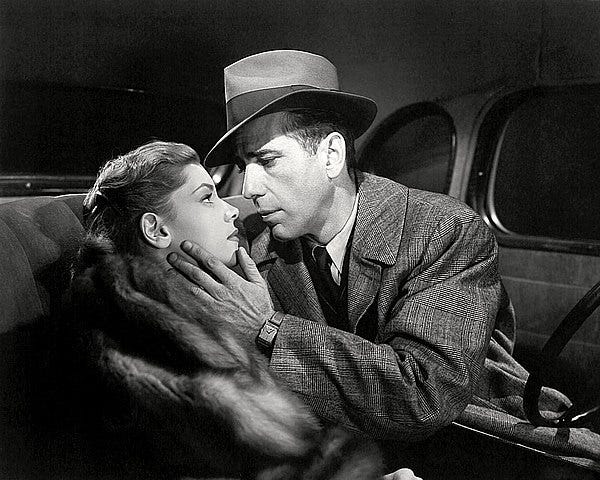
Raymond Chandler has been described as one of the 20th century’s greatest stylists. And with good reason.
Pick up any of his seven novels, and without reading the cover, you know it’s a Chandler.
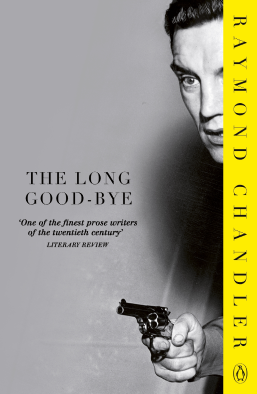
“The first time I laid eyes on Terry Lennox he was drunk in a Rolls Royce Silver Wraith outside the terrace of The Dancers.”
This is the first line from The Long Goodbye. The scene is set. Everything is there: The Drunk. The Money. The Club.
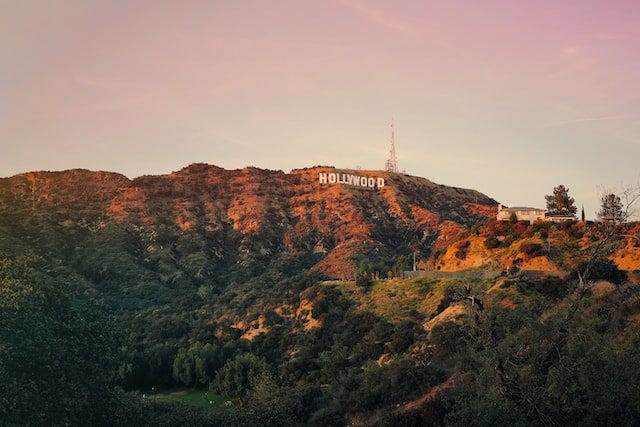
Familiar territory to Chandler’s iconic private eye, Philip Marlowe. The ultimate misanthropic loner, who blends stoicism with impulse and risk in the seedy, corrupt world of 1950s Los Angeles.
It might sound like typical pulp fiction drivel with little or no plot.
And it is.
Chandler’s plots were famously thin, and his stories were nothing new:
Someone goes missing — private eye sets out to find him!
But that’s all Chandler needed. Pegs to hang his characters and language on, and the story took care of itself.
If you’ve ever read his books, you may think he was born and bred in L.A. But he wasn’t. Chandler was born in Chicago in 1888, and at the age of 12 moved to London where he was educated at private school. When he returned to the US, and ended up in L.A. in 1912, he sounded more British than American.
He felt like an alien, and had to learn ‘American’, as he put it. While the language is the same, the slang, nuance, timing, and pronunciation are different, and it must have felt like learning a foreign tongue.
This was to his advantage. He had to learn American through the vernacular of LA, and in doing so, gave his greatest creation, Philip Marlowe, his unique voice.
The plots might be vague, but that doesn’t mean Chandler couldn’t tell a story. God no! His books rattle along like trains, drenching the reader in a storm of intrigue, innuendo and glamour. All set in a world where everyone smokes, everyone drinks, and everyone has a problem that needs fixing.
Chandler wasn’t just a great crime writer. He was a great writer fullstop. He may have sacrificed elements of plot, but when you’re as good as he was, he could afford to.
Reading Chandler’s novels feel like being punched in the stomach, which was why he was responsible for singled handedly changing crime fiction and the role of the detective.
Before Marlowe, the detective novel was more like a game of chess for the reader. Who did it? How? Why? When? You’ve only got to read Sherlock Holmes.
I’m a great fan of Arthur Conan Doyle’s creation. He was clever, astute, erratic and entertaining. But I find the dialogue weak, the characters wooden, and too often the stories are dictated by rigid plots that leave little to the imagination.
Chandler changed that.
He brought realism and depth to the genre. Glamour and beauty. Cynicism and despair. Lowlifes mixed with crooks; crooks mixed with politicians; politicians mixed with cops. It was a riot! Everyone knew everyone else, and everyone had their backs to the wall.
I remember reading The Long Goodbye at my stuffy boarding school in England (not too far away from Chandler’s old school as it happened), and it was like stepping into a different world. A world of palm trees, violence, cigarettes, alcohol, action, deceit, women, and corruption. And it was absolutely fantastic!
Plus it was sunnier than smog-filled London.

Thirty years later, I still enjoy his books, especially The Long Goodbye, which I regard as his finest. So if you’ve never read Chandler, and you want to kill a day drinking coffee and smoking cigarettes, I recommend that one.
Thanks for reading. For more pulp fiction, check out:


