
Why Our Aim Should be Fighting For Health?
All you need to know about it…
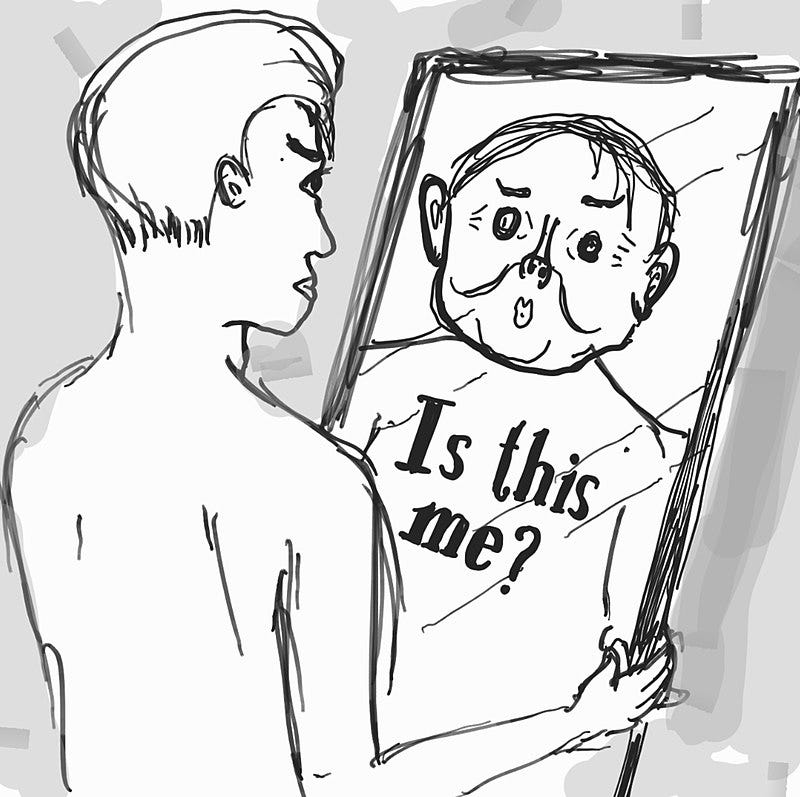
When it comes to your health, the weight of avoirdupois prevention is worth the weight of cure. Follow these everyday styles of living habits to give your immune system all things it needs to protect from illness and function at its best.
● Analyze diets and healthful eating plans: Avoid syrupy drinks. Choose fish, poultry, legumes, and nuts; reduce red meat and cheese; avoid bacon, cold cuts, and other prepared meats. Eat a variety of whole grains (like whole-wheat bread, whole-grain pasta, and brown rice). Limit refined grains (like white rice and white bread).
● Move every day Start where you need to start and when you are ready to start: Work inwardly to your pain levels, comprehend fatigue, and either stretch or walk and do something more high-rank energy when you can. Exercise boosts your overall health and your sensitivity to well-being, which puts more get-up-and-go in your step every day. But exercise also has some forthright stress-busting perquisites.
1. It pumps up your endorphins. Bodily activity may help increase the fructification of your brain’s feeling-good neurotransmitters, called endorphins. Although this operation is often referred to as a runner’s high, any aerobic endeavor, such as an enthusiastic game of tennis or a nature hike, can bequeath to this same feeling.
2. It diminishes the negative things of stress. Exercise can bring stress relief for your body while paralleling effects of stress, such as the flight or fight antiphon, and allow your body and its systems to get used to working together through those accouterments. This can also advance to positive effects in your body — inclusive of your cardiovascular, digestive, and immune systems — by allowing you to protect your body from adverse effects of stress.
3. It’s concentration in motion. After a fast pace of the game like racquetball, a long walk may be run, runs a handful of laps in the pool, you may often find that you’ve repressed the day’s irritations and undivided attention only on your body’s alteration. As you begin to regularly discard your daily pressure through movement and physical activity, you may find that this target is on a single task, and the awaited energy and optimism can help you to always stay calm, clear, and focused in everything you do.
4. It convalesces your mood. Regular exercise can progress your self-confidence, recuperate your mood, help you relax, and diminish the symptoms of mild depression and anxiety. Exercise can also enhance your sleep, which is often disorganized by stress, depression, and anxiety. All of these exercise perks can lessen your stress levels and give you an amazing sense of command over your body and your life.
● Correlate with others living well with your condition. Stay away from colloquium and message boards or blogs where people are disapproving or rephrasing all the negatives you know. Preferably reach out directly to someone living evidence-free or that is very active and ask them how they did it.
● Accomplice with your doctor. You have more to gain or lose in this relationship. Ask questions, present research, get a second conclusion. Be the controller of your health and your health maintenance team.
● Don’t listen to the doctors all the time. You know your own body better than they do. Just because this unhealthiness produces certain symptoms in some people, does not mean that has to occur to you. Just because you’ve been accustomed to some of those symptoms doesn’t mean you always will. Determined by your doctor with feedback allows them to modify your treatment plan so that it helps your improvement. Improve aftereffect long-term. Accepting the advice of a medical professional can result in the best possibility of recovery.
● Wage a war with your disease. Get to get acquainted with it, analyze, examine, and be observant. Sometimes that means recessing.
● Do things you love the most and keep your brain or body healthy. Learn a new language. Take a cooking class or write a book: Doing things that you love is fun, right? The enormous news is that spending the time doing what you enjoy diminishes the stress. Living with peer pressure can cause anxiety, memory and focus, a matter of contention, migraines, and more.
Maybe you already built furniture, compose music, written some short stories. Or, conceivably you’ve always wanted to learn a new skill or hobby. Either way, generating or learning something new trains your mind — writing music, for example, preoccupies both your right and left brain! The act of smiling also diminishes stress, enhances your immune system, and exculpates the brain’s feel-good chemicals dopamine and serotonin.
To drive your mind away from things that make you bothered, sad, or upset, take some time to do something you enjoy — something that makes you happy.
● Give. Volunteer for an organization that furtherance your affliction or another extraneous cause. Thinking about someone except yourself when you have a deep-rooted condition is key.
- Reduce stress by diminishing the unessential. Simplify your life. Eat and drink to ameliorate your health. Some people try to diminish stress by drinking alcohol or feeding themselves too much. These behaviors may seem to help at the moment, but in fact, may add to stress in the long run. Caffeine also can amalgamate the effects of stress. Immoderate a healthy, balanced diet can help to fight stress.
2. Exercise regularly.

In addition to having physical health benefits, physical activities are a powerful stress diminisher. Consider aerobic exercise, training with weights, or movement activities like yoga or Tai Chi, and set understandable goals for yourself. Aerobic exercise has been shown to disengage endorphins — natural substances that help you feel good and enhance a positive attitude.
3. Avoid using tobacco and nicotine products.

People who use nicotine often refer to it as a stress companion. However, nicotine places more agonize on the body by accelerating physical arousal and diminishing blood flow and breathing.
4. Study and practice amusement techniques. Taking the time to relax every day helps to conduct stress and to protect the body from the conduct of stress. You can choose from a variety of techniques, such as deep breathing, imagery, progressive muscle relaxation, and diligence meditation. There are so many varieties and many online and smartphone apps that provide direction on these techniques; although some encompass the purchase costs, many are available free of cost.
5. Minimize triggers of stress.
If you are like most people, your life may be occupied with too many necessities and too little time. For the most part, these demands are the ones we have chosen. You can free up time by being committed to time-management skills like asking for help when it’s applicable, setting prominences, pacing yourself, and maintaining time to take care of yourself.
6. Set your own set of rules and live by them. The more your behavior reflects your beliefs, the more sophisticated you will feel, no matter how busy your life is. Use your values when choosing your activities.
7. Asseverate yourself. It’s okay to say “No” to requirements on your time and spirit that will place too much stress on you. You don’t always have to meet the assumptions of others.
8. Set realistic goals and expectations.

It’s okay — and healthy — to realize you cannot be 100% successful at everything all at once. Be observative of the things you can control and work on accepting the things that you can’t control.
9. Sell yourself to none other than yourself. When you’re feeling overwhelmed, remind yourself of what you do well. Have a healthy sense of self-esteem.
● Receive vaccinations likewise to age-appropriate: Childhood boosters, flu shots and boosters at all ages, pneumococcal and shingles vaccinations for older adults, and others help your body fight off illness. Ask your doctor what vaccinations you need.
● Don’t smoke: Smoking decreases immune cells, weakens your body’s capability to avoid and fight infections. Give up smoking, and this process can be inverted.
● Be skeptical: Many products that claim to enhance immune system health, including very high dosages of vitamins and minerals, are not proven, not standardized, and may not be safe. Talk to your health maintenance provider before adding new nutrients to your regimen.


