avatarCailian Savage

Free AI web copilot to create summaries, insights and extended knowledge, download it at here

4388

Abstract

, resulting in sky-high tax rates; perhaps even more damaging, however, is the restricted access legal weed sellers have to the banking and financial system. Because of federal illegality, getting insured and raising capital are more difficult than for nearly any other kind of business.</p><p id="e9ba">Finally, marijuana can’t be sold across state lines, which makes it extraordinarily difficult to achieve economies of scale. Every state must have its own greenhouses and packaging facilities, and companies’ expansion prospects are inherently limited.</p><figure id="8c87"><img src="https://cdn-images-1.readmedium.com/v2/resize:fit:800/0*1T-41N7MsH3sQWjp"><figcaption>Photo by <a href="https://unsplash.com/@crystalweed?utm_source=medium&amp;utm_medium=referral">Crystalweed Cannabis</a> on <a href="https://unsplash.com?utm_source=medium&amp;utm_medium=referral">Unsplash</a></figcaption></figure><h2 id="35a8">Political Squeamishness: sin taxes and ad bans</h2><p id="ebdf">When weed is legalized, governments tend to do so with great hesitation. They’re keen to show that they treat marijuana with caution, and one way of showing voters that you’re not some hippie anarchist is to slap a huge tax on legal weed sales, just as you might on tobacco and alcohol.</p><figure id="0445"><img src="https://cdn-images-1.readmedium.com/v2/resize:fit:800/0*h7yv2RFqkzKP8-h7"><figcaption>Photo by <a href="https://unsplash.com/@vasiliosm?utm_source=medium&amp;utm_medium=referral">Vasilios Muselimis</a> on <a href="https://unsplash.com?utm_source=medium&amp;utm_medium=referral">Unsplash</a></figcaption></figure><p id="9728">Weed taxes vary by jurisdiction, but in general are very high. Even though Americans consume far more alcohol than weed, the latter typically produces more tax revenue for governments. At first, that sounds great: we were told that legal marijuana would help fix the public finances, and they’re doing just that, right?</p><p id="8383">The problem, of course, is that legal weed then becomes too expensive to compete with the street stuff, which continues to thrive.</p><p id="6da0">Legal weed growers don’t have easy access to the weapons that legit industries normally have (like access to loans, marketing and economies of scale), but they’re forced to bear all the costs of legitimacy: they have to pay minimum wages to everyone on the supply chain, pay taxes and obtain licenses, can’t use certain pesticides and chemicals etc.</p><figure id="4a87"><img src="https://cdn-images-1.readmedium.com/v2/resize:fit:800/0*GCbTBMntqQfh6X8I"><figcaption>Photo by <a href="https://unsplash.com/@erol?utm_source=medium&amp;utm_medium=referral">Erol Ahmed</a> on <a href="https://unsplash.com?utm_source=medium&amp;utm_medium=referral">Unsplash</a></figcaption></figure><p id="1381">If legal weed is to outcompete the illegal stuff, there has to be a societal reckoning concerning how “sinful” weed really is. Is it as dangerous as tobacco? Is it more socially destructive than alcohol? Should it be allowed to advertise on interstate highways and national TV? How expensive should it be compared to the other major vices?</p><h2 id="fd70">The thriving black market</h2><p id="a827">Many of these setbacks could be shrugged off by sellers as costs of doing business if it weren’t for the massive illegal industry undercutting them at every turn. A liquor store doesn’t have to worry about people illegally selling whiskey for half the price a few streets away, but weed dispensaries do.</p><figure id="8103"><img src="https://cdn-images-1.readmedium.com/v2/resize:fit:800/0*8hlauCPL5D6AXMdM"><figcaption>Photo by <a href="https://unsplash.com/@paolobendandi?utm_source=medium&amp;utm_medium=referral">Paolo Bendandi</a> on <a href="https://unsplash.com?utm_source=medium&amp;utm_medium=referral">Unsplash</a></figcaption></figure><p id="6bc0">Some of that is cultural. There once was a huge illegal alcohol industry, just as weed has now. Alcohol has been legal in nearly every major economy for over 100 years, weed for perhaps a decade.</p><p id="02cf">It’s a dynamic also related to the profitability of weed relative to its size and weight:</p><p id="9aeb"><i>“You can put a million dollars worth of weed in your station wagon and still have room for the kids. Moving illegal weed around is so easy compared to manufacturing and moving illegal alcohol.”</i> <a href="

Options

https://time.com/6184704/legal-marijuana-economics/">Daniel Sumner</a>, economist.</p><p id="b688"><i>“The value per ounce of this stuff is just through the roof, unlike any other product that’s legal. It’s more expensive than white truffle or saffron or beluga caviar.” — <a href="https://time.com/6184704/legal-marijuana-economics/"></a></i><a href="https://time.com/6184704/legal-marijuana-economics/">Robin Goldstein</a>, food and wine critic.</p><figure id="5cea"><img src="https://cdn-images-1.readmedium.com/v2/resize:fit:800/0*GnB-VT2BvrF67ImW"><figcaption>Photo by <a href="https://unsplash.com/@artamhoomat?utm_source=medium&amp;utm_medium=referral">Artam Hoomat</a> on <a href="https://unsplash.com?utm_source=medium&amp;utm_medium=referral">Unsplash</a></figcaption></figure><p id="77a7">Another major reason why authorities are so disinterested in cracking down on illegal operators is that the decision to legalize weed is usually only made after those authorities have decided to start treating drug offenses more leniently. Wariness over starting the War on Drugs Part 2 is hobbling those sellers that play by the rules.</p><h2 id="b95a">Sheer bureaucratic incompetence</h2><p id="a63c">Weed is a very highly regulated industry, and the more layers of bureaucracy involved in any decision, the better the odds of inaction and absurdity. That is certainly true of marijuana.</p><p id="21be">Consider Vermont. Although it legalized recreational weed in 2018, it <a href="https://cfah.org/vermont-marijuana-laws/">took</a> 4 years before the opening of its first legal recreational stores.</p><figure id="eb3a"><img src="https://cdn-images-1.readmedium.com/v2/resize:fit:800/0*Q4XV6vl3rK4i-vRL"><figcaption>Photo by <a href="https://unsplash.com/@ventiviews?utm_source=medium&amp;utm_medium=referral">Venti Views</a> on <a href="https://unsplash.com?utm_source=medium&amp;utm_medium=referral">Unsplash</a></figcaption></figure><p id="0383">In general, there’s probably too much paperwork in the legal weed business. Prospective business owners typically have to hire consultants to have any chance of getting approved.</p><p id="b96c">Furthermore, the legal complexities of the business effectively lock out many of the people that legal weed was supposed to create wealth for: those with drug-related criminal records that might be very savvy businesspeople, but have little experience navigating the maze of paperwork needed to get started.</p><figure id="f6cf"><img src="https://cdn-images-1.readmedium.com/v2/resize:fit:800/0*rmA2rg9HudRViLzO"><figcaption>Photo by <a href="https://unsplash.com/@romaindancre?utm_source=medium&amp;utm_medium=referral">Romain Dancre</a> on <a href="https://unsplash.com?utm_source=medium&amp;utm_medium=referral">Unsplash</a></figcaption></figure><p id="51f2">Legal weed is still an industry in its infancy. It isn’t quite a contender to alcohol or tobacco yet (in some states, it is roughly as big a market player as craft beer or wine), but in upcoming decades, it might be.</p><p id="d169">For the sector to reach that benchmark, and to finally replace the black market, officials will need to take a more pragmatic approach and nurture weed without keeping it on such a tight leash.</p><figure id="6818"><img src="https://cdn-images-1.readmedium.com/v2/resize:fit:800/0*3kuTMGxHH22wwOqL.jpg"><figcaption>By My 420 Tours — <a href="https://commons.wikimedia.org/wiki/Category:Cannabis_shops#/media/File:Inside_a_420_Friendly_Party_Bus.jpg">CC BY-SA 4.0</a></figcaption></figure><p id="b608">It is often said that gold rushes created more money for this selling pickaxes than those selling gold. The same is true of marijuana consultants and lobbyists, whose flat fees have made them the real winners of the Green Rush.</p><p id="714c">Some countries (like Canada) and states (Colorado, Washington) have learned from earlier mistakes and are coming closer to a genuinely lucrative industry. Perhaps the much-discussed Green Rush will one day turn into something real and tangible.</p><figure id="b15a"><img src="https://cdn-images-1.readmedium.com/v2/resize:fit:800/0*pv_IixJQsaJgiJlm"><figcaption>Photo by <a href="https://unsplash.com/@i_am_g?utm_source=medium&amp;utm_medium=referral">Guillaume Jaillet</a> on <a href="https://unsplash.com?utm_source=medium&amp;utm_medium=referral">Unsplash</a></figcaption></figure></article></body>

Why Nobody Makes Money From Legalized Weed

No pot of gold at the end of this rainbow.

The city of Evanston, Illinois, attracted attention throughout the United States earlier this year when it announced reparations for black residents. The money would come from sales of newly-legalized marijuana.

But the scheme has faced significant hurdles, one of which would surprise nobody who has paid attention to the legalized weed business: marijuana revenues have been much lower than expected.
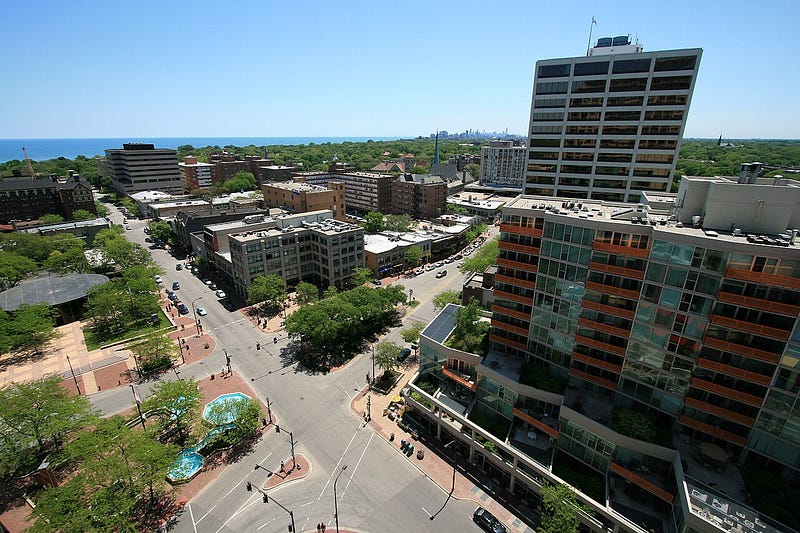
By Madcoverboy —CC BY-SA 3.0

The 1800s witnessed several gold rushes in places like California and Canada which are today talking about a “Green Rush”: the idea that legalizing cannabis will create a flood of money. The revenues and taxes from this new sector are expected to patch up holes in state finances, compensate those who suffered during the War on Drugs, and persuade illicit dealers to start doing business above board.

Gold rushes rarely created great wealth for ordinary people, and the Green Rush seems to be no different. Numerous governments have struggled to create a profitable industry from something that is sometimes touted as a license to make money. Illegal cannabis is often still the most commonly sold variant even in jurisdictions where it can be bought legally.

The expected revenues from legalized weed are often a driving force behind it being legalized in the first place so in the interest of honest policy discussion, let’s talk about why governments across the world are mishandling hash.
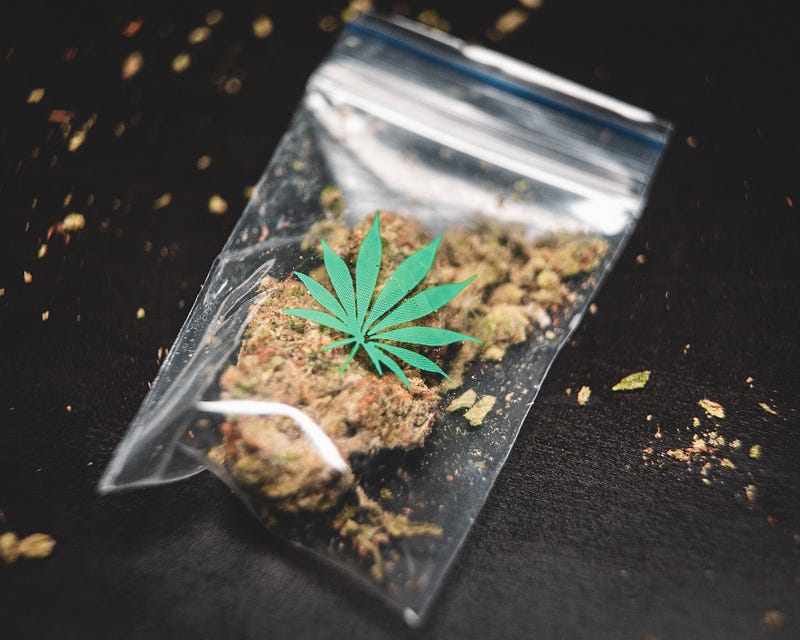
Photo by GRAS GRÜN on Unsplash

Federal illegality (US-specific)

Even when a state like California or Colorado legalizes the sale of recreational weed, it remains in a legal grey area. That’s because weed is still illegal federally. Just as California doesn’t have the right to ban guns, it also doesn’t have the right to legalize marijuana.

Photo by Joel Moysuh on Unsplash

In practice, states get away with it because Obama-era memos by the justice department made clear that federal prosecutors wouldn’t step on the toes of states that decided to regulate weed. However, federal illegality still seriously limits weed as a business.

The most obvious consequence is that weed companies are treated like illegal narcotics traffickers by the federal tax code, resulting in sky-high tax rates; perhaps even more damaging, however, is the restricted access legal weed sellers have to the banking and financial system. Because of federal illegality, getting insured and raising capital are more difficult than for nearly any other kind of business.

Finally, marijuana can’t be sold across state lines, which makes it extraordinarily difficult to achieve economies of scale. Every state must have its own greenhouses and packaging facilities, and companies’ expansion prospects are inherently limited.
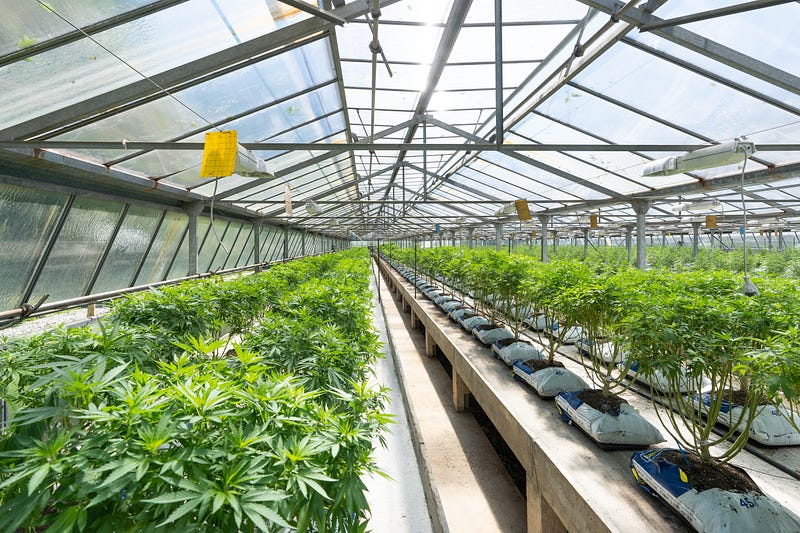
Photo by Crystalweed Cannabis on Unsplash

Political Squeamishness: sin taxes and ad bans

When weed is legalized, governments tend to do so with great hesitation. They’re keen to show that they treat marijuana with caution, and one way of showing voters that you’re not some hippie anarchist is to slap a huge tax on legal weed sales, just as you might on tobacco and alcohol.

Photo by Vasilios Muselimis on Unsplash

Weed taxes vary by jurisdiction, but in general are very high. Even though Americans consume far more alcohol than weed, the latter typically produces more tax revenue for governments. At first, that sounds great: we were told that legal marijuana would help fix the public finances, and they’re doing just that, right?

The problem, of course, is that legal weed then becomes too expensive to compete with the street stuff, which continues to thrive.

Legal weed growers don’t have easy access to the weapons that legit industries normally have (like access to loans, marketing and economies of scale), but they’re forced to bear all the costs of legitimacy: they have to pay minimum wages to everyone on the supply chain, pay taxes and obtain licenses, can’t use certain pesticides and chemicals etc.

Photo by Erol Ahmed on Unsplash

If legal weed is to outcompete the illegal stuff, there has to be a societal reckoning concerning how “sinful” weed really is. Is it as dangerous as tobacco? Is it more socially destructive than alcohol? Should it be allowed to advertise on interstate highways and national TV? How expensive should it be compared to the other major vices?

The thriving black market

Many of these setbacks could be shrugged off by sellers as costs of doing business if it weren’t for the massive illegal industry undercutting them at every turn. A liquor store doesn’t have to worry about people illegally selling whiskey for half the price a few streets away, but weed dispensaries do.

Photo by Paolo Bendandi on Unsplash

Some of that is cultural. There once was a huge illegal alcohol industry, just as weed has now. Alcohol has been legal in nearly every major economy for over 100 years, weed for perhaps a decade.

It’s a dynamic also related to the profitability of weed relative to its size and weight:

“You can put a million dollars worth of weed in your station wagon and still have room for the kids. Moving illegal weed around is so easy compared to manufacturing and moving illegal alcohol.” Daniel Sumner, economist.

“The value per ounce of this stuff is just through the roof, unlike any other product that’s legal. It’s more expensive than white truffle or saffron or beluga caviar.” — Robin Goldstein, food and wine critic.

Photo by Artam Hoomat on Unsplash

Another major reason why authorities are so disinterested in cracking down on illegal operators is that the decision to legalize weed is usually only made after those authorities have decided to start treating drug offenses more leniently. Wariness over starting the War on Drugs Part 2 is hobbling those sellers that play by the rules.

Sheer bureaucratic incompetence

Weed is a very highly regulated industry, and the more layers of bureaucracy involved in any decision, the better the odds of inaction and absurdity. That is certainly true of marijuana.

Consider Vermont. Although it legalized recreational weed in 2018, it took 4 years before the opening of its first legal recreational stores.
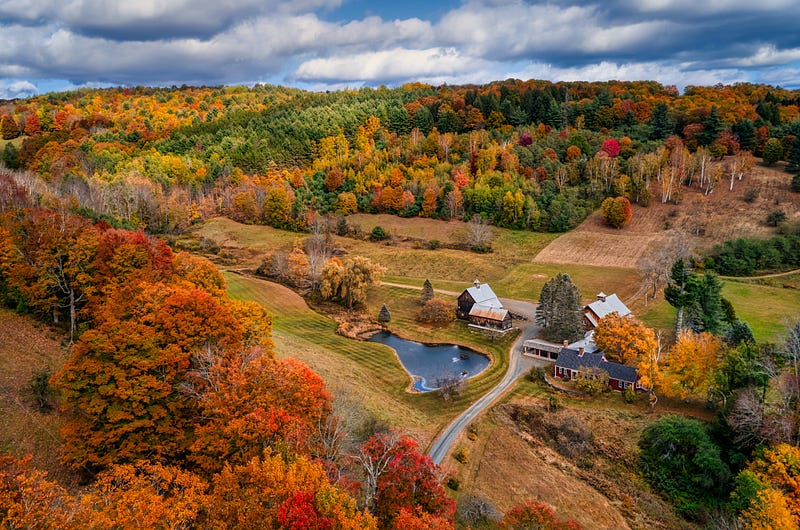
Photo by Venti Views on Unsplash

In general, there’s probably too much paperwork in the legal weed business. Prospective business owners typically have to hire consultants to have any chance of getting approved.

Furthermore, the legal complexities of the business effectively lock out many of the people that legal weed was supposed to create wealth for: those with drug-related criminal records that might be very savvy businesspeople, but have little experience navigating the maze of paperwork needed to get started.

Photo by Romain Dancre on Unsplash

Legal weed is still an industry in its infancy. It isn’t quite a contender to alcohol or tobacco yet (in some states, it is roughly as big a market player as craft beer or wine), but in upcoming decades, it might be.

For the sector to reach that benchmark, and to finally replace the black market, officials will need to take a more pragmatic approach and nurture weed without keeping it on such a tight leash.

By My 420 Tours — CC BY-SA 4.0

It is often said that gold rushes created more money for this selling pickaxes than those selling gold. The same is true of marijuana consultants and lobbyists, whose flat fees have made them the real winners of the Green Rush.

Some countries (like Canada) and states (Colorado, Washington) have learned from earlier mistakes and are coming closer to a genuinely lucrative industry. Perhaps the much-discussed Green Rush will one day turn into something real and tangible.
Photo by Guillaume Jaillet on Unsplash
Marijuana
Cannabis
Politics
Business
Culture
Recommended from ReadMedium