
Why Muscle Mass Matters As We Age
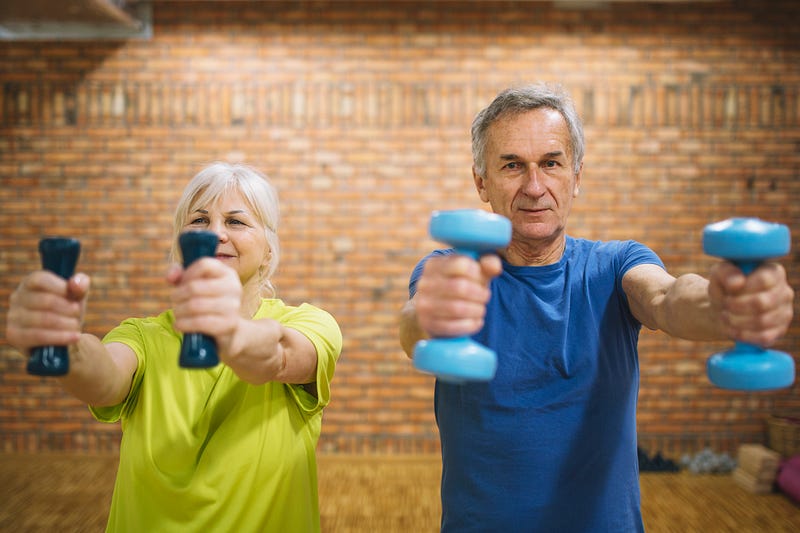
One of the obvious aspects of ageing that we’re all likely familiar with is that of becoming less functional.
We were chatting only last week to a 70-year old, who lives at the bottom of our street and walks his little, black poodle regularly past our house. He was joking about the doom and gloom of getting old and how numerous friends of his were having falls as part of the expected pattern with their advancing years.
But it’s no laughing matter.
Risk of falls
Low muscle mass — known as sarcopenia — puts us at greater risk of falls. With falls come not only the inevitable bruises and possibly grazes that can become infected, but also the risk of torn ligaments or, at worst, fractures that then land us in hospital.
Broken bones can potentially immobilise us for a period of time. Once that happens, we could start on a perpetuating cycle of becoming less and less functional, experiencing more and more falls, ending up in hospital repeatedly, which forces us to have bed rest and prolonged inactivity. Then muscles weaken and we lose more muscle mass. Frailty sets in, a gradual loss of independence degrades our quality of life, and we face our mortality sooner than necessary.
No, it’s no laughing matter at all.
Not having the slightest interest in body building, the thought of making sure my muscles stay strong and healthy didn’t particularly inspire me. That is until the prospect of losing muscle mass and strength brought home the risks associated with sarcopenia.
One of the key features of longevity is having muscle mass and strength. That way we stay mobile and independent.
Muscle mass and balance
Having muscle mass and strength also maintains our balance, without which we’re more likely to fall.
A complementary approach to strength training is power training. Among other benefits, it can help you react quickly if you stumble or lose your balance so that you can prevent falls.
Think you’re too young to worry?
Think again! Harvard Medical School points out that the process of losing strength — and muscle mass shrinking from sarcopenia — can begin as early as age 35.
Typically, we lose muscle at the rate of one or two percent a year. Then when we hit age 60, this decline can accelerate to three percent a year. Put a different way, without doing regular strength training, an adult can lose 4–6 pounds of muscle every 10 years.
Now, before you picture Arnold Schwarzenegger in his prime, that’s not at all what we’re aiming for here. We’re talking about normal, daily function in life, which requires muscles strong enough to keep us there.
Muscle mass and strength
So what’s the best way to maintain our muscle mass and strength?
For a while, I tried going to a gym where they had Nautilus and MedX machines — as described in Body by Science by Doug McGuff, M.D. and John Little — and worked out with an instructor. It definitely made a significant difference to my general strength and ability. It improved my stamina for endurance exercise too. And that even though it was a mere fortnightly, half-hour routine.
Then the pandemic hit.
Unfortunately, the gym also had a tendency to play very loud, angry, shouty music, which doesn’t appeal. So what alternatives existed?
My first go-to were to use dumbbells at home with increasing weights. It seemed to work fine — until shoulder bursitis arrested my progress.
It’s taken a year to heal from the injury. That’s why we need to do these things with correct application of technique and appropriate weights, not only enthusiasm.
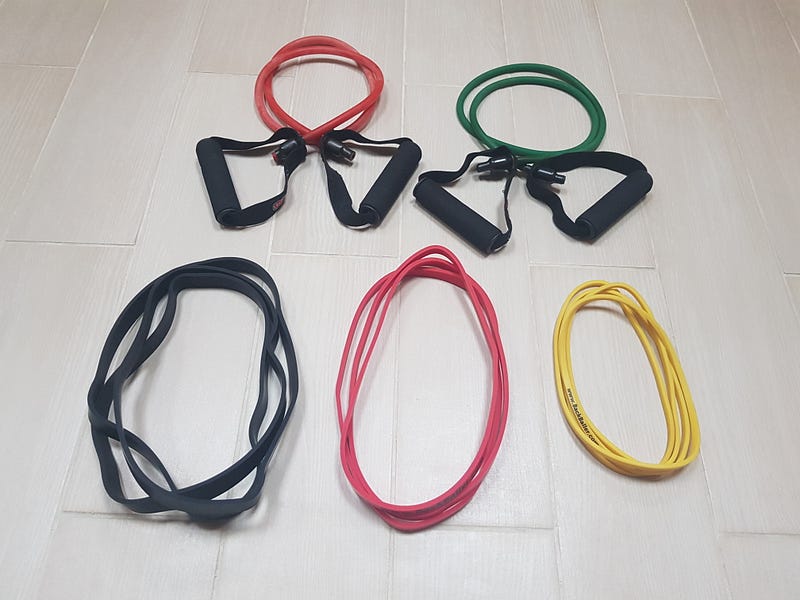
On a more practical level, using weights at home for strength training together with resistance bands can be a good option. A few physiotherapists showed me how to use the resistance bands after my shoulder injury. This definitely helps to increase muscle function and is easy enough to do in the home.
Train safely
It’s important to train safely. If you can afford a personal trainer, it’s worth the investment. Even if it’s for a short period of time simply to learn how to do the exercises correctly. Otherwise there are plenty of resources on YouTube for specific exercises. And, of course, resistance bands are inexpensive.
Though there are plenty of published resources, they will never address the individual needs where perhaps arthritis may be an issue or previous injury. My 70-something neighbour has her kettle bells and resistance bands with handles at the ready for her twice-weekly personal trainer session via Zoom — something the pandemic instigated.
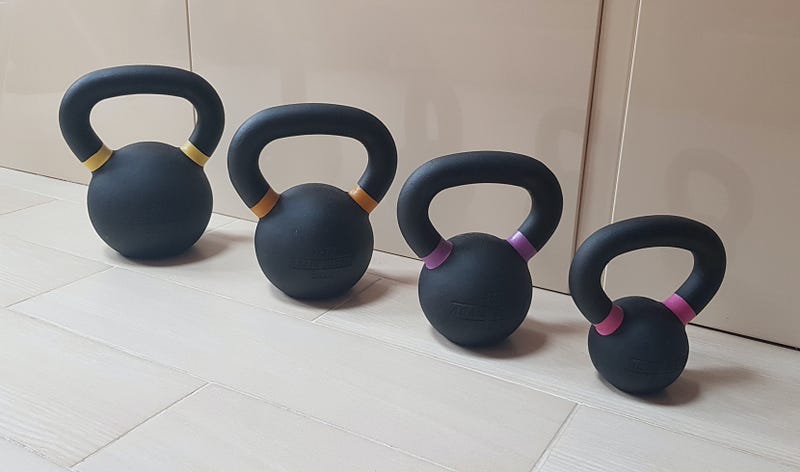
Whatever works for you and your budget, training safely and doing exercises correctly are paramount.
Meanwhile, have fun maintaining your strength, staying independent, and keeping the midriff from bulging — the latter being a subject of a story for another day.
If you liked this, please clap, highlight, comment on it and share it with others to read.
Or you could give me a tip: https://ko-fi.com/ellaread