
Why Momentum Is the Secret to Marketing Success
Oreo has mastered the flywheel effect and you can master it too
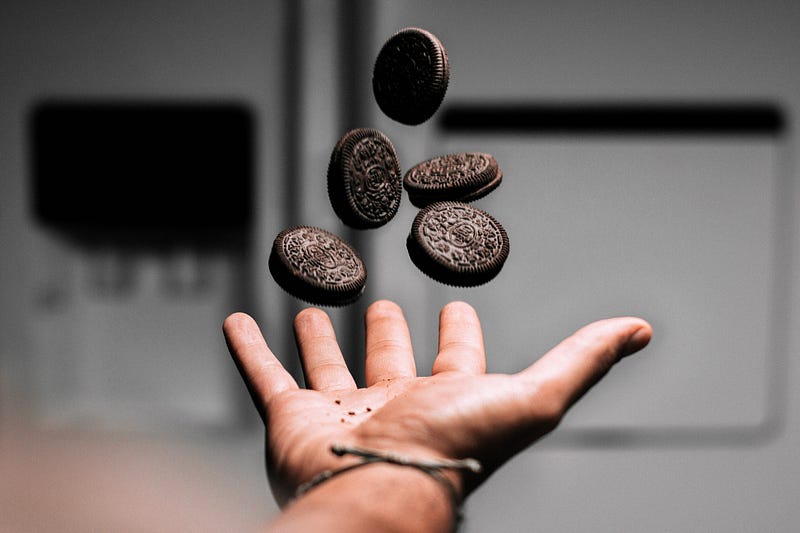
Many snack food brands like Oreo are thriving during the global pandemic.
Why?
It’s simple, actually.
People are stressed more in every aspect of their life. They are bored with increased isolation, and Oreo has mastered a marketing concept called the flywheel effect.
Oreo’s marketing strategy is simple. In a recent New York Times article, Why Does Oreo Keep Releasing New Flavors? you find out why Oreo keeps creating new flavors. Oreo is a well-established brand that’s been around since 1912. Why does it need to create new flavors? How is the company still relevant and successful more than 100 years later?
Oreo’s success is something all marketers should learn from. It has built momentum. It takes advantage of the flywheel effect.
What’s the Flywheel Effect?
The flywheel effect is a concept developed in the best-selling book Good to Great by author James C. Collins. According to Collins, a good-to-great transformation occurs over time not all at once.
In building a great company, there’s no single defining action, program, innovation, or lucky break that makes a company. Rather, it’s the process of relentlessly pursuing a giant and heavy flywheel that turns. Keep pushing and the flywheel builds momentum until it breaks through and then the company moves from good to great.
The Flywheel Effect and the Oreo Story
Oreo has released 65 flavors — including flavors such as Hot Chicken Wing, Wasabi, Tiramisù, and Carrot Cake since releasing its Birthday Cake flavor in 2012. Novelty Oreos that are flavored and seasonal have increased in sales by 12% over the past three years.
Why do they continue to release new flavors?
They drive people back to the original flavor that’s plain and old. The new flavors serve as advertisements for the original favorite. Oreo doesn’t create the new ones to increase the sales of the new flavors, but to increase the sales of the first one they ever created.
The flywheel effect for Oreo is working. The classic sales are up 22% over the past three years.
“When we do [novelty flavors] well, it drives our classic Oreo cookie, and the sales of the limited edition,” says Justin Parnell, the senior director of the Oreo brand, to the New York Times. He continues by saying people will “pick up that classic Oreo variety that they love, whether it’s the original or Golden or Double Stuff, in addition to the limited edition.”
Oreo is using the flywheel to build momentum.
Why is Momentum Important?
We all pursue success but we don’t know how to measure it and define it, according to Simon Sinek, the best-selling author of Start with Why and The Infinite Game. How do you pursue happiness if you can’t measure and define it? It’s all about momentum.
It takes a lot more energy to get the ball rolling than to keep it rolling. Oreo started with its original Oreo cookie and to keep its success going, it continuously launches new flavors. These new flavors keep the momentum and the success going for Oreo.
The key is to get the ball rolling faster and faster. That’s why Oreo is successful. They have built the momentum and take advantage of the flywheel effect. As a marketer, you can use the flywheel effect for your company’s products and services.
Oreo Is Not the Only Brand That Benefits From the Flywheel Effect
Amazon made this flywheel effect famous with its low prices and more traffic. The low price point and high website traffic to Amazon led to higher sales and more third-party sellers. More third-party sellers on Amazon mean more products, which means more competition. This lowers prices and drives more website traffic to Amazon.com, driving higher sales. It’s a virtuous cycle of more and better.
Bringing It All Together
If the flywheel effect can work for an old-fashioned, non-tech company like Oreo and it can work for a modern, tech-focused company like Amazon, it can also work for your company. The key is to build the momentum and then make sure you don’t lose it.


