avatarNicole Hilbig

Summary

Mindfulness practices, while generally seen as beneficial, can have potential dangers and negative effects, especially for individuals with trauma or depression.

Abstract

The article discusses the potential risks associated with mindfulness practices, which are commonly recommended for managing stress. It highlights that mindfulness, a term often variably interpreted, was not originally intended for treating illnesses. The article points out that recent studies may have idealized mindfulness by focusing primarily on its positive aspects, thereby neglecting the possibility of adverse experiences. For some individuals, particularly those with a history of trauma or depression, mindfulness exercises like meditation can lead to worsened mental health conditions, including an increased risk of suicidal thoughts. The article suggests that sometimes, simpler interventions like napping, engaging in work, eating, or conversing with others might be more appropriate.

Opinions

  • Psychologist Jason Linder emphasizes that mindfulness is not universally defined and was not initially designed to address medical conditions.
  • There is a concern that the abundance of recent studies on mindfulness has disproportionately focused on its benefits, potentially overlooking negative experiences.
  • Mindfulness exercises, such as meditation, can have detrimental effects on individuals with trauma or depression, possibly leading to flashbacks, intensified internal awareness, and a heightened risk of suicidality.
  • The article implies that alternative activities like resting, working, eating, or social interaction could sometimes be more beneficial than mindfulness practices.

Why Mindfulness Can Be Dangerous For You
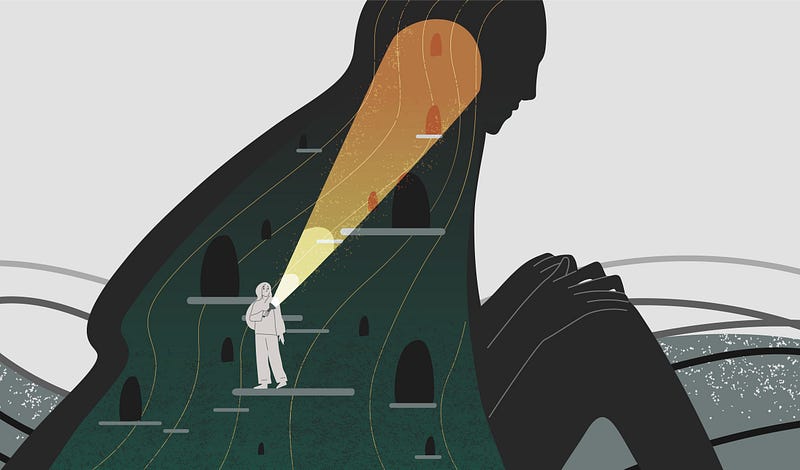
Image by Good Studio on Adobe Stock.

Mindfulness rituals such as meditation, breathing exercises and gratitude notes help us to slow down the stressful everyday life.

But the psychologist Jason Linder points out that mindfulness is not a generally defined term and is often interpreted differently, “despite the fact that mindfulness was not originally developed to treat illness or disease”.

In addition:

That countless recent studies on mindfulness have only focused on its beneficial effects, possibly idealizing it, overlooking potential negative experiences.”

Because mindfulness exercises are not beneficial for everyone and can even become life-threatening:

Especially in people with trauma and depression, meditation — for example due to flashbacks or an even more intense, overwhelming perception of internal processes — can lead to a deterioration in their mental health, including increased likelihood of suicidality.“

Maybe you just need a nap, work, to eat or a conversation with someone?

Short Story
Mindfulness
Mental Health
Psychology
Life Lessons
Recommended from ReadMedium