avatarJames Julian

Free AI web copilot to create summaries, insights and extended knowledge, download it at here

2129

Abstract

deral Reserve’s insanely aggressive interest rate hikes.</p><p id="8b23">Here’s something you may not know about the 2007–2008 financial crisis.</p><p id="1258">Yes, the collapse of home prices played a part (gee, what’s happening to the housing market right now?) —<a href="https://www.forbes.com/advisor/investing/fed-funds-rate-history/"> but can you tell me what the Fed was up to in the lead-up to the crash</a>?</p><p id="02ea">How about this, with each instance representing a quarter-point increase:</p><ul><li>June 2004 — rate hike</li><li>August 2004 — rate hike</li><li>September 2004 — rate hike</li><li>November 2004 — rate hike</li><li>December 2004 — rate hike</li><li>February 2005 — rate hike</li><li>March 2005 — rate hike</li><li>May 2005 — rate hike</li><li>June 20005 — rate hike</li><li>August 2005 — rate hike</li><li>September 2005 — rate hike</li><li>November 2005 — rate hike</li><li>December 2005 — rate hike</li><li>January 2006 — rate hike</li><li>March 2006 — rate hike</li><li>May 2006 — rate hike</li><li>June 2006 — rate hike</li></ul><p id="8742">They may have taken a flatter approach and implemented the rate hikes over a longer period of time, but the end result is the same: a federal funds rate near 5%.</p><p id="cd4b">As the old meme/burn goes: “and then what happened?”</p><figure id="283e"><img src="https://cdn-images-1.readmedium.com/v2/resize:fit:800/1*7tEky4iautOBFqpAPeHYNA.png"><figcaption>I see red in our future. (Credit: James Julian/Dall-E 2)</figcaption></figure><h2 id="3009">Mark Zuckerberg knows</h2><p id="0f88">Here’s what <a href="https://www.wsj.com/articles/facebook-parent-meta-begins-new-round-of-job-cuts-e34b81cc?mod=hp_lead_pos2">the Wall Street Journal quotes Zuckerberg as saying</a> in an email to Meta staff earlier today while noting a negative shift in the economy, the suddenly prohibitive cost of borrowing, and worldwide geopolitical tensions:</p><p id="58ee"><i>“At this point, I think we should prepare ourselves for the possibility that this new economic reality will continue <b>for many years.*</b></i></p><p id="d969"><i>“Given this outlook, we’ll

Options

need to operate more efficiently than our previous headcount reduction to ensure success.”</i></p><p id="df26"><b>*Emphasis mine</b></p><p id="ad10">So much for “transitory” inflation and soft landings, eh?</p><p id="ed84">That’s definitely not an email you send if you’re feeling great about your prospects in anything approaching the near future.</p><p id="6a16">As the Journal notes, overall tech layoffs have surpassed 300,000 since 2022.</p><p id="8839">By the way, have you checked any of those companies’ share prices lately?</p><figure id="2d47"><img src="https://cdn-images-1.readmedium.com/v2/resize:fit:800/1*hSap-g3PciL50vmCTbwztQ.jpeg"><figcaption>Mark Zuckerberg. (Credit: JD Lasica from Pleasanton, CA, US, <a href="https://creativecommons.org/licenses/by/2.0">CC BY 2.0</a>, via Wikimedia Commons)</figcaption></figure><h2 id="3f4f">What to do now</h2><p id="bc5a">I can’t tell you that.</p><p id="c20c">I’m not a financial advisor and this article shouldn’t be misconstrued as financial advice.</p><p id="b885">But I can tell you what I’m doing.</p><ol><li>I just torched half my stock portfolio: any company I don’t deeply believe in and use myself on a weekly basis is out.</li><li>I’m starting to save <b>a lot</b> more money.</li><li>I’m working on my side business even harder to build a bigger cushion should anything go wrong.</li></ol><p id="89bc">Again, anything is possible.</p><p id="592e">It could be that the war in Ukraine will soon come to an end, inflation will suddenly crash in the face of the Fed’s activities, the financial system will withstand major bank failures unscathed, and the economy will stay strong through a period of deep fear.</p><p id="29cb">Me? I’m going to listen to Zuck.</p><p id="a679">Hope for the best, but prepare for the worst.</p><p id="26b6"><b>Thanks so much for reading this post all the way to the end! If you enjoyed it, please give it a clap or two so others can find it!</b></p><p id="a25e"><a href="https://jamesjulianwrites.medium.com/subscribe"><b><i>Get an email every time I publish so you don’t miss a story</i></b></a><b><i>!</i></b></p></article></body>

Why Mark Zuckerberg just gave a low-key chilling economic warning

As an elder Millennial, my young adult years were marked by two major world events: 9/11 and the Great Recession.

I remember how jarring it was to see the housing market and the stock market get wiped out as governments scrambled to save the very financial system we’ve all come to take for granted (again).

So when one of the most powerful people in the business and tech world starts talking about the potential for a massive, years-long setback for the economy, my ears perk up.

That’s what Meta (i.e. Facebook) CEO Mark Zuckerberg did today, as he talked about why his company was firing 10,000 people just a few months after giving 11,000 others their walking papers.

If he’s right, you’d better start planning for some pain.

If Mark Zuckerberg is right, get ready for some major economic pain. (Photo by Elisa Ventur on Unsplash)

Is this 2008 all over again?

Think the Silicon Valley Bank collapse was a one-off, a situation that has been deftly handled by the federal government to protect the wider economy from contagion?

Maybe it is.

But I don’t think so.

I think this is just the beginning.

When big banks and businesses start falling apart, very bad things start happening — and those very bad things tip dominos on other very bad things.

SVB, Signature Bank, FTX … these are canaries in the coal mine, not isolated incidents.

One of the main contributors to SVB shutting down was Jerome Powell and the Federal Reserve’s insanely aggressive interest rate hikes.

Here’s something you may not know about the 2007–2008 financial crisis.

Yes, the collapse of home prices played a part (gee, what’s happening to the housing market right now?) — but can you tell me what the Fed was up to in the lead-up to the crash?

How about this, with each instance representing a quarter-point increase:

  • June 2004 — rate hike
  • August 2004 — rate hike
  • September 2004 — rate hike
  • November 2004 — rate hike
  • December 2004 — rate hike
  • February 2005 — rate hike
  • March 2005 — rate hike
  • May 2005 — rate hike
  • June 20005 — rate hike
  • August 2005 — rate hike
  • September 2005 — rate hike
  • November 2005 — rate hike
  • December 2005 — rate hike
  • January 2006 — rate hike
  • March 2006 — rate hike
  • May 2006 — rate hike
  • June 2006 — rate hike

They may have taken a flatter approach and implemented the rate hikes over a longer period of time, but the end result is the same: a federal funds rate near 5%.

As the old meme/burn goes: “and then what happened?”
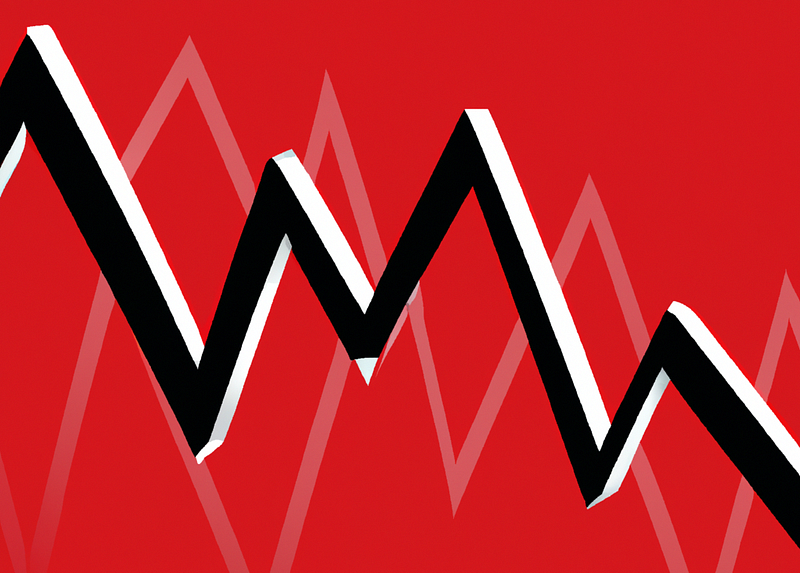
I see red in our future. (Credit: James Julian/Dall-E 2)

Mark Zuckerberg knows

Here’s what the Wall Street Journal quotes Zuckerberg as saying in an email to Meta staff earlier today while noting a negative shift in the economy, the suddenly prohibitive cost of borrowing, and worldwide geopolitical tensions:

“At this point, I think we should prepare ourselves for the possibility that this new economic reality will continue for many years.*

“Given this outlook, we’ll need to operate more efficiently than our previous headcount reduction to ensure success.”

*Emphasis mine

So much for “transitory” inflation and soft landings, eh?

That’s definitely not an email you send if you’re feeling great about your prospects in anything approaching the near future.

As the Journal notes, overall tech layoffs have surpassed 300,000 since 2022.

By the way, have you checked any of those companies’ share prices lately?
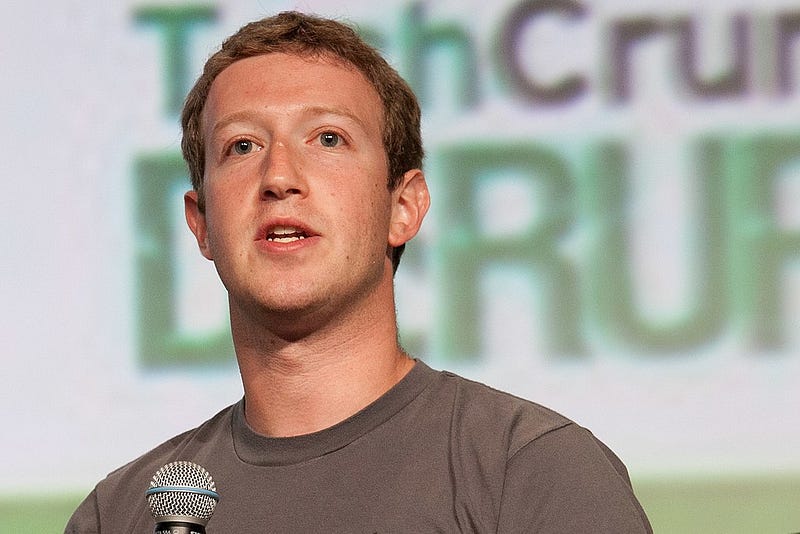
Mark Zuckerberg. (Credit: JD Lasica from Pleasanton, CA, US, CC BY 2.0, via Wikimedia Commons)

What to do now

I can’t tell you that.

I’m not a financial advisor and this article shouldn’t be misconstrued as financial advice.

But I can tell you what I’m doing.

  1. I just torched half my stock portfolio: any company I don’t deeply believe in and use myself on a weekly basis is out.
  2. I’m starting to save a lot more money.
  3. I’m working on my side business even harder to build a bigger cushion should anything go wrong.

Again, anything is possible.

It could be that the war in Ukraine will soon come to an end, inflation will suddenly crash in the face of the Fed’s activities, the financial system will withstand major bank failures unscathed, and the economy will stay strong through a period of deep fear.

Me? I’m going to listen to Zuck.

Hope for the best, but prepare for the worst.

Thanks so much for reading this post all the way to the end! If you enjoyed it, please give it a clap or two so others can find it!

Get an email every time I publish so you don’t miss a story!

Finance
Business
Money
Economics
Stocks
Recommended from ReadMedium