
Why Malaysia’s New Digital Nomad Visa Is Perfect for Southeast Asia Lovers
Digital nomads can now live for two years in this Southeast Asian country
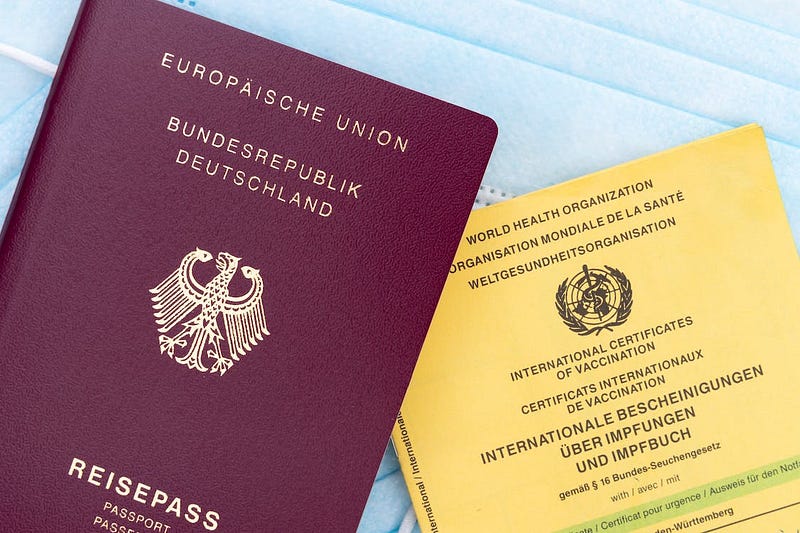
Malaysia isn’t as well-known as Thailand, Indonesia, or the Philippines as a Southeast Asian digital nomad hub.
But the Malaysian government sprang a surprise in mid-September. That’s when it announced it would introduce Malaysia’s first digital nomad visa.
This new digital nomad visa could be a game-changer, especially for digital nomads who want to base themselves in Southeast Asia.
For starters, the new visa may permit digital nomads to stay in Malaysia for up to two years.
Furthermore, the visa is open to digital nomads of all disciplines. Unlike in some countries with “high-technology worker” or “creative industries” visas, you don’t have to work in IT or be an award-winning artist, musician, or athlete to qualify.
In fact, the Malaysian government specifically identifies digital marketers and content creators as potential occupations that would qualify for this new visa.
As a Malaysian citizen, this visa doesn’t apply to me. But I can’t help but be excited about the possibilities it opens up for my fellow digital nomads.
So, in this article, we’ll take a quick look at Malaysia’s brand-new digital nomad visa. Then I’ll share my take on why I think it’s an attractive option for Southeast Asia-loving digital nomads.
If you’re still on the fence about visiting Malaysia, I’ll share some reasons why I think it should be on any Southeast Asia itinerary.
How the New Digital Nomad Visa Works
The new digital nomad visa is known as the “DE Rantau” programme. DE Rantau will be open for application on October 1st, so check back at the DE Rantau website on this date if you’re interested.
The application checklist is not yet available. But here’s what we know about the programme so far.
- Officially, the visa is known as the Professional Visit Pass, or PLIK, to use its Malay-language acronym.
- The application fee for the principal applicant is one thousand Malaysian ringgit — RM1,000 (approximately US$220) and RM500 ($110) for each dependent.
- Successful applicants are granted stays ranging from 3 to 12 months, with the option of renewing for an additional 12 months. This means you might be able to stay in Malaysia for up to 2 years.
- Applicants are permitted to bring their spouse and one or more dependents.
- Digital nomads can work in IT, digital marketing, creative content, content development, and other fields.
- Freelancers must have a three-month or longer freelance contract. Clients can be Malaysian or foreign.
- Remote workers must have a three-month or longer employment contract. The employer must be based outside Malaysia.
- The digital nomad must earn at least US$24,000 per year.
This new visa could be a game changer for digital nomads who want to spend more time exploring Malaysia.
Previously, the Short Term Social Visit Pass was the only visa available to digital nomads. The recipient could stay for up to 90 days under this visa.
The digital nomad would have to leave Malaysia and obtain a new visa for future visits. This was annoying in normal circumstances, but it was a deal breaker when COVID restrictions were still common in Southeast Asia.
At the other end of the spectrum was the much-touted Malaysia My Second Home (MM2H) programme. However, that visa is designed for wealthy retirees who plan to spend years in Malaysia, making it less suited for digital nomads.
Nevertheless, by allowing stays of up to 2 years, the DE Rantau programme offers digital nomads interested in Malaysia another option for staying in the country.
What Makes Malaysia’s Digital Nomad Visa Special
The Malaysian government took great pains to distinguish the DE Rantau digital nomad visa from other offerings by regional governments.
Consider Thailand’s proposed digital nomad programme under the “Work-from-Thailand Professional” visa. The visa is highly restrictive because digital nomads must be “employed by a firm with at least $150 million in revenue over three years.”
So, if you’re self-employed, a freelance digital content creator, or if you work for an early-stage startup, this visa will not work for you.
Instead, you’d have to enter Thailand through the traditional 60-day tourist visa route, which would necessitate a trip to immigration to extend for another 30 days.
You’d then have to leave Thailand for a neighbouring country and apply for another 60-day tourist visa to return, a process known as a “border run.”
Another popular option in Southeast Asia is Indonesia, specifically Bali. The Indonesian government recently approved a visa allowing digital nomads to live and work in Bali for up to six months.
The Indonesian digital nomad visa appears to be less convenient than Malaysia’s DE Rantau. The Indonesian authorities require the visa to be renewed twice; the initial visa allows you to enter Indonesia for 60 days, and you can apply for up to two additional 60-day extensions.
Visa extension applications can be submitted online, but three applications just to stay for six months means meeting three application deadlines.
Unlike Malaysia’s DE Rantau digital nomad visa, which requires only one application for a stay of up to 12 months.
Finally, the Philippines has a Long-Stay Visitor Visa Extension. This Extension allows applicants to extend their stay for another 6-months on top of their tourist visa. It’s popular with digital nomads who want to stay in the Philippines for up to 9 months.
However, unless the Philippines issues a dedicated digital nomad visa, there is no way to stay for up to two years.
Why Digital Nomads Should Consider Malaysia
Malaysia is underappreciated compared to more mature digital nomad hotspots like Bali, Chiang Mai, Cebu, and Saigon.
But, now that Malaysia is offering digital nomad visas, I believe that situation will change.
One of Malaysia’s main selling points is its diversity.
In Penang, for example, there is an Indian Muslim mosque, a temple to the Hindu rain goddess Mariamman, a temple to the Bodhisattva Guanyin, and an Anglican church, all on the same road!
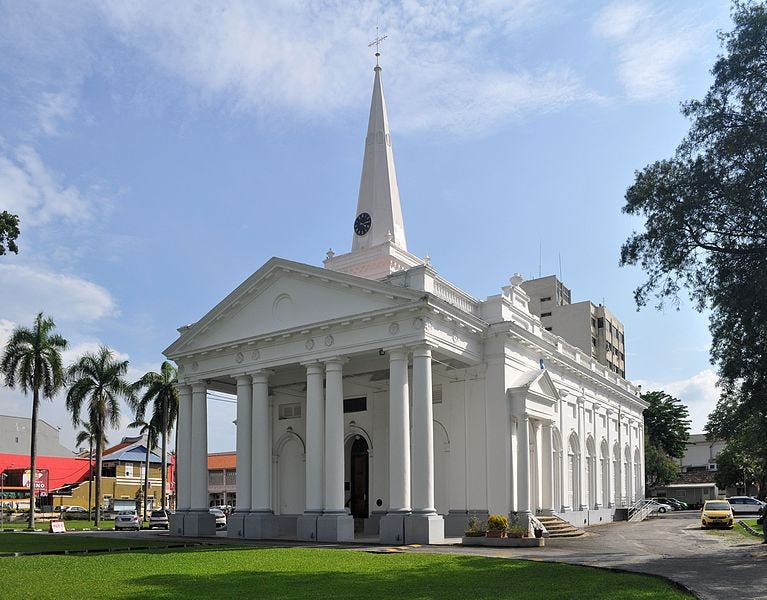

These places of worship have stood for over a century, demonstrating how these diverse communities coexisted peacefully all this time.
Malaysia’s diversity is also evident in its celebrated food culture. Because of Malaysia’s sizable Chinese and Indonesian minority populations, more Chinese and Indian food options are available in Malaysia than elsewhere in Southeast Asia except Singapore.
Furthermore, the centuries of the intermingling of these cultures meant ample opportunities for these flavours to combine in interesting ways.
Another advantage of Malaysia is that English is widely spoken, making it simple for digital nomads to communicate with locals.
Malaysia has “high proficiency” in English, trailing only Singapore and the Philippines in Southeast Asia, according to the EF English Proficiency Index.
Visitors will have little trouble getting around if the only language they can speak is English. Malaysia was a British colony. So, some Malaysians, primarily older citizens, have spent their entire lives communicating primarily in English.
And if you want to learn a few words in Malay to endear yourself to the locals and make your stay more enjoyable, you’ll be pleasantly surprised to find it’s one of the more accessible languages to learn.
It’s written in the Latin script, so you don’t have to learn new alphabets or memorise symbols to read the signs or menus.
Malay isn’t a tonal language, so you won’t have to worry about getting the tones wrong and saying something offensive inadvertently.
Also, unlike English, Malay is pronounced exactly as it is written. Non-native English speakers will probably sympathise with me when I say that learning how to pronounce
thought, thorough, throughout, through, though, tough
correctly in English takes some tongue-twisting.
Final Thoughts
The Malaysian government did an excellent job with the DE Rantau digital nomad visa.
It’s a valuable new option for Southeast Asian-focused digital nomads who want to spend more time in the region.
The minimum annual income of $24,000 is well-calibrated. It’s not such a high bar that most digital nomads would be unable to clear it.
This makes it an excellent option for younger digital nomads whose businesses are less well-established and may thus not meet other countries’ high minimum income thresholds.
Also, the government did well in minimising bureaucratic roadblocks. You only need to submit a single application to stay for up to a year, with the option to request an extension for up to another year.
Finally, the government made this digital nomad visa available to all types of online workers, including content creators. This is a wonderful alternative to some other digital nomad visas, which were designed with IT workers in mind, neglecting everyone else.
Perhaps Malaysia isn’t for you.
Still, as more governments see the benefits of attracting the digital nomad dollar, it’s only a matter of time before more countries jump on board or risk falling behind the competition.
Which can only be good for advancing the work-from-anywhere movement that’s springing up post-pandemic.
Disclaimer: The information in this article is for general purposes only. This article is not an offer or recommendation of any visa. I have no relationships with any Malaysian government agencies, visa agents, or companies engaged in the tourism industry.
To read more articles like this, consider subscribing to a Medium membership. Your subscription supports writers like me and many others to keep doing what we love.