
Why Linux Is Better Than Windows
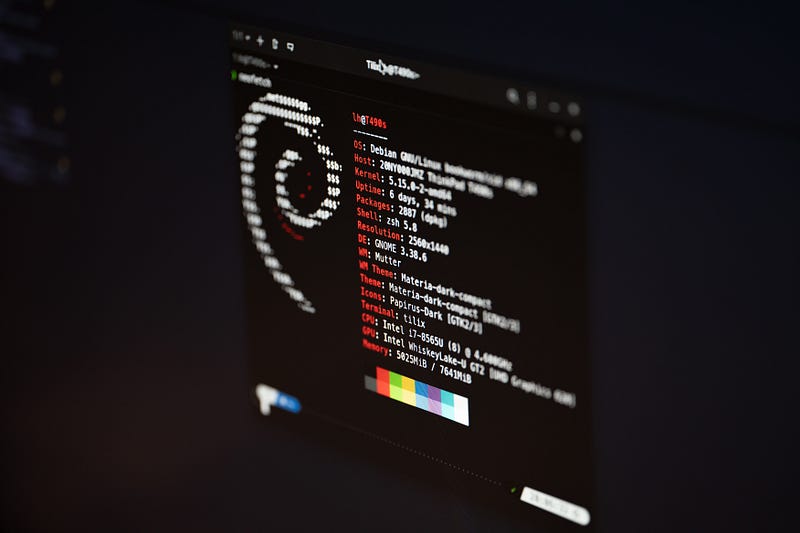
Linux is a relatively little-used operating system, yet it has many surprises in store for you. I even think it’s better than Windows. Indeed, recently, I switched from Windows to Linux, and I wouldn’t go back to Windows for the world.
I’ll tell you why. But be warned, Linux does have a few disadvantages, which I’ll mention below.
What is Linux
Of course, you all know what Windows is. Linux, on the other hand, is a little less well-known. And those who do know it certainly have a strange image of it, as if Linux were only for geeks or hackers. But this is not the case.
Linux is a free and open-source operating system kernel that serves as the foundation for various operating systems, known as Linux distributions. It was initially created by Linus Torvalds in 1991 and has since grown into one of the most prominent and widely used open-source projects.
The Linux kernel itself is responsible for managing system resources, such as the processor, memory, and input/output devices, and providing a secure and stable environment for applications to run on top of it. It supports a wide range of hardware architectures, making it versatile and adaptable to various devices, including servers, desktop computers, smartphones, embedded systems, and more.
Linux Distributions
Linux distributions, or distros, combine the Linux kernel with additional software packages, including libraries, utilities, and applications, to create complete operating systems.
Examples of popular Linux distributions include Ubuntu, Fedora, Debian, CentOS, and Arch Linux. Each distribution may have its own goals, design principles, package management systems, and user interfaces.
Why is Linux so little used compared to Windows?
Linux occupies 2.83% of the market share, compared to 17.78% for macOS and, 63.13% for Windows. Why?
First, most personal computers come pre-installed with the Windows operating system. This means that many users simply stick with Windows because it is the default option, and they may not be aware of or familiar with Linux alternatives.
Then, Windows has a long-established dominance in the consumer software market. Many popular applications, especially those used for gaming, are primarily developed for Windows and may not have Linux versions or support. And, of course, the many Microsoft programs are only available on Windows. And even if there are alternatives on Linux, they are maybe not as good.
Also, Windows has been the dominant operating system for personal computers for decades, and users are generally more familiar with its interface and features. Switching to Linux may require a learning curve for users who are accustomed to Windows.
Then, while Linux supports a wide range of hardware devices, there may still be instances where certain hardware components or peripherals do not have proper drivers or support on Linux. This can cause compatibility issues and deter users who rely on specific hardware for their needs.
Finally, Microsoft has a significant market presence and invests heavily in marketing, partnerships, and developer support, unlike the people behind Linux who have few resources, or simply aren’t interested in competition.
How is Linux Better than Windows
Objectively speaking, Linux has a few advantages over Windows.
The first thing I noticed was the difference in performance. Linux seems much more optimized than Windows. It launches faster, it doesn’t make my PC race, the battery lasts longer, etc… In fact, Linux doesn’t run dozens of useless services in the background and limits the number of applications running simultaneously to a minimum, which inevitably improves performance. I’d say my battery lasts about 30% longer since I switched to Linux.
Then, Linux is open-source. It means its source code is freely available for anyone to view, modify, and distribute. This openness fosters a collaborative community-driven development model, leading to continuous improvement, enhanced security, and a wide range of software choices. Anyone can contribute to Linux to make it better.
Also, Linux is very customizable and flexible. You can customize various aspects of the operating system, including the desktop environment, user interface, system settings, and even the core components.
About security, Linux has a reputation for being more secure than Windows. The open-source nature of Linux enables rapid detection and patching of security flaws by the community of developers. Additionally, Linux distributions typically implement strong security practices and offer frequent updates. I’ve never encountered a single virus on Linux, I think hackers aren’t interested in Linux users and won’t spread a virus on a Linux machine because there aren’t enough people using Linux for this to be worth it.
Finally, Linux is free to use, download, and distribute. Even if nowadays Windows is becoming cheaper and cheaper, you still have to pay for it. And once you get it, you have to pay to get Microsoft software as Office. On Linux, most of the apps are free.
Linux Disadvantages
I won’t lie, Linux has some disadvantages. The main one being that it can be challenging to use Linux for inexperienced or non-technical users. The command-line interface and the need for manual configuration and customization can be intimidating for individuals who are accustomed to graphical user interfaces (GUIs) and straightforward installations. Linux often requires a higher level of technical knowledge and troubleshooting skills to operate efficiently, which can be a barrier for casual or non-technical users.
Then, some software applications are not available on Linux. Indeed, many software vendors primarily target Windows or macOS, and while there are open-source alternatives available for many applications, some specialized or proprietary software may not have Linux versions or adequate support. It may not have the same level of compatibility as other operating systems like Windows or macOS. For example, most of the games are not compatible with Linux. Also, some applications like Microsoft Word or Excel are not available on Linux.
Furthermore, hardware compatibility can be an issue with Linux. While significant progress has been made in recent years to expand hardware support, there are still instances where specific hardware components, especially niche or newer ones, may not have adequate drivers or support within the Linux ecosystem. This can lead to compatibility issues and may require additional effort or workarounds to get certain hardware working properly, which surely can be annoying, especially if you’re a non-technical user.
Finally, Linux lacks unified user interface standards across different distributions. In my opinion, it’s an advantage because it allows for customization and flexibility, but it can also result in inconsistencies and fragmentation. Users switching between different Linux distributions may encounter varying interfaces, package managers, and configuration methods.
Final Note
For me, Linux is better than Windows. That’s because I’m not really affected by its disadvantages. In the end, the best OS is the one that fits you better.
If you’ve never tried Linux, you should try it, maybe you’ll like it more than Windows? A good distro if you want to get started with Linux is Fedora, that’s the one I’ve started with and I love it!
To explore more of my stories, click here!
If you want to be notified every time I publish a new story, subscribe to me via email by clicking here!
If you’re not subscribed to Medium yet and wish to support me or get access to all my stories, you can use my link:


