
Why Kids Should Be Exposed to Nature
Kids engage in “nature play” that is crucial to their physical and psychological development
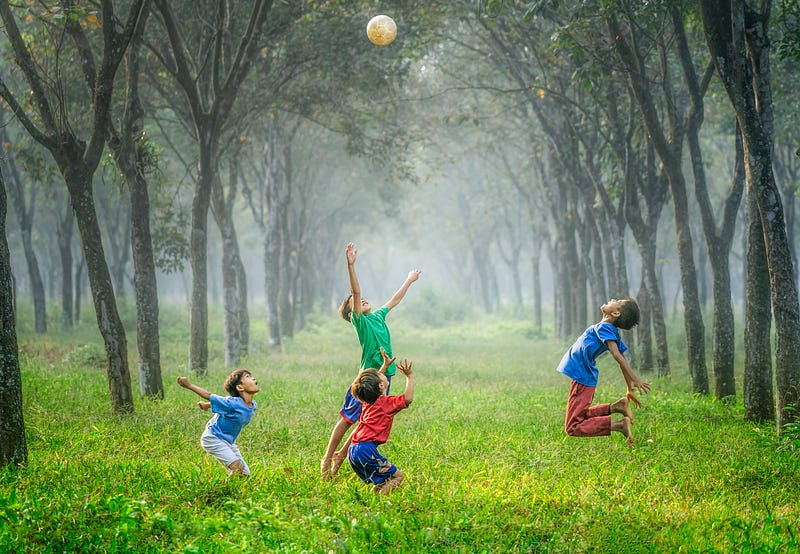
In today’s world, children spend much more time watching TV, playing computer games, playing with their electronic gadgets, and much less time outdoors. Playing outside when neighborhood kids used to come together and engage in playtime activities is a thing of the past.
Back in the day, with the absence of addicting video games we see today, children were more motivated to go out and play and enjoy the outdoor activities. However, the addicting nature of electronic devices draws children to playing more video games and spending less time playing outside. As a result, children are not getting enough physical exercise and socializing less. They may also be at risk of developing emotional problems.
There are enormous benefits to children playing outside in nature.
Here are some of them:
It boosts their creativity
Did you know that children learn from “nature play?” The term “nature play” is “unstructured, free play within nature (forest, green spaces, outdoors, gardens) and included natural elements (highly vegetated, rocks, mud, sand, gardens, forests, and ponds or water).”
Researchers drew a positive link between “nature play” and children’s overall development. When children engage in “nature play”, it opens a world of possibilities for them. They discover new things for themselves and invent their games.
It reduces anxiety and improves focus
The researchers found that children who spend more time outside in green spaces show less anxiety and can focus on tasks better. As little as 20 min of exercise in a park is enough to achieve this effect.
Kids with ADHD can also benefit from physical activities in nature. As researchers found: “Doses of nature might serve as a safe, inexpensive, widely accessible new tool in the tool kit for managing ADHD symptoms.” I can speak to this fact from my son’s experience. He has slight attention problems and exuberant energy, but when he spends a lot of time in nature playing and running, his mental focus drastically increases.
It improves cognitive functioning
Researchers found that being exposed to outdoor greenery makes kids smarter, as was demonstrated by the results of their cognitive testing. Children who spend more time in outdoor physical activities, do better academically.
It raises their interest in the environment
Kids who spend more time in nature are naturally more drawn to nature and show more interest in their environment. It raises their awareness of the world and increases their knowledge about how things work.
Kristina Segarra is a classically trained musician, freelance writer, and copy editor/proofreader. She received her B.A. in Music and minor in psychology from CCNY, Hunter College in New York City. She likes to write on the topics of psychology, health, fitness, and lifestyle.
You can find more information about her on LinkedIn and Twitter.


