
Why Japanese Americans Want People To Know Their History
They don’t want others to suffer
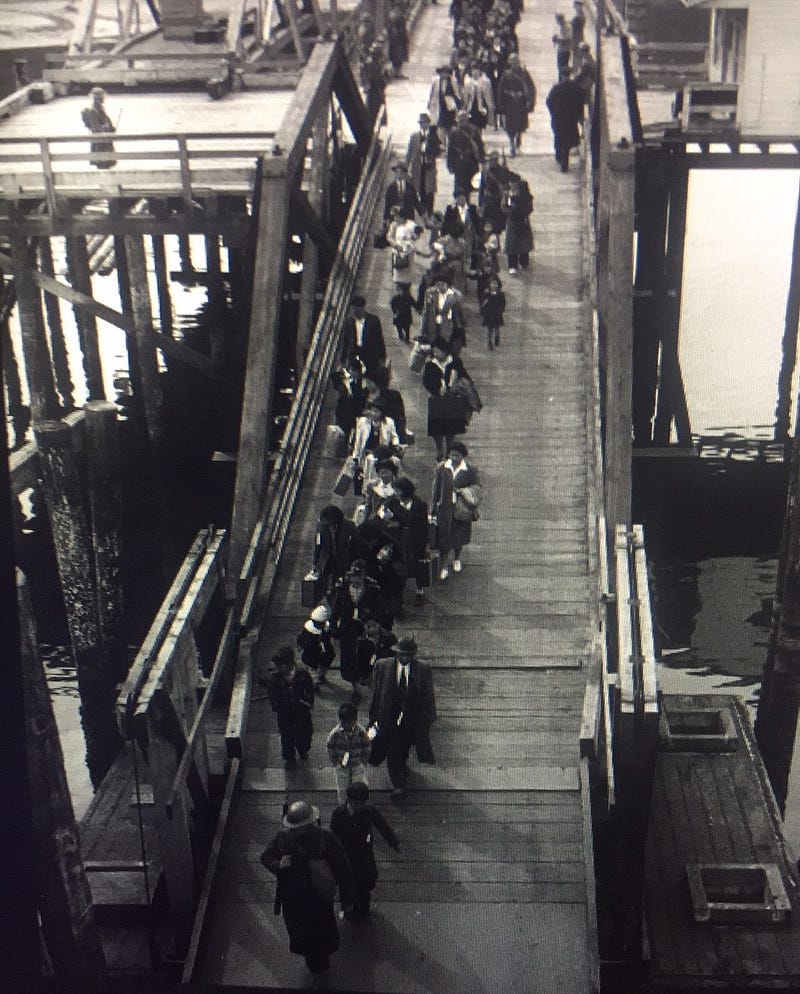
It was a great injustice in America
As an American of Japanese heritage, I have been engaged with trying to help tell the history of Japanese Americans. I have given many talks and written much about the story of this group of people who were severely mistreated during World War II when they suffered the ultimate racism and racial profiling. Japanese Americans want the story to be known so that no one else will ever have to suffer this most egregious act against the Constitution of the United States of America as they did.
After President Franklin D. Roosevelt signed Executive Order 9066 on February 19, 1942, around 120,000 persons of Japanese descent living on the West Coast of the United States were forcibly removed from their homes. Most lost everything they owned and were put into American concentration camps (confinement sites) which had been built in remote and desolate areas of the country. They were unjustly incarcerated in the camps for the duration of the war. Two thirds of the people were American citizens.
In 2005, I went to work for the Japanese American Citizens League (JACL), the oldest and largest Asian American civil and human rights organization in the United States. My initial task when I arrived at the Washington D.C. office was to get legislation passed that would help to preserve the lessons and history of the incarceration of Japanese Americans during World War II. The initial work was done by drafting legislation that would fund projects that would preserve various elements of the confinement sites and create educational programs related to the unconstitutional incarceration.
John Tateishi, then National Executive Director/CEO of the JACL, asked that I work with Gerald Yamada, who was national coordinator for the Japanese American National Heritage Coalition. Gerald had been working on the camp preservation issue for some time before the JACL got involved.
We were able to get the support of a powerful member of Congress, Bill Thomas (R-CA), who was then the chairman of the House Ways and Means Committee. He was able to guide the legislation through a Republican House. The Senate effort was led by Senator Daniel Inouye (D-HI) with Robert Bennett (R-UT), the Utah Senator, as the principal Republican author. During this time, our JACL Fellows, Jean Shiraki and Phillip Ozaki, took World War II veterans, Terry Shima and Grant Ichikawa, to visit senators to gain support for the legislation.
The bill was passed easily in both the Senate and the House. It was signed by President George W. Bush in December of 2006. It provided funding of $38 million that was allocated in two to three million dollar totals annually until the funding was expended. We are now at the end of this funding, which has provided money to support construction, educational projects, and preservation programs for most of the confinement sites where Japanese Americans were imprisoned.
This past month, HR 8637 was introduced by Congresswoman Doris Matsui (D-CA). This will eliminate the sunset clause of the past legislation and provide funds to continue the program. This is similar to what has been done for the Holocaust Museum in Washington, D.C.
The bill will be introduced in the Senate by Senator Brian Schatz (D-HI). There has already been bipartisan support for the legislation which includes co-authoring by Congressman Rob Bishop (R-UT), the ranking member of the Natural Resources Committee, where the bill will be heard.
Asian Americans have suffered much discrimination, hatred, and racism over the years. The World War II experience of Japanese Americans was one of the worst cases of racism ever in the United States of America.
Japanese American groups and individuals are currently trying to gain support for the bill in Congress. I and many others are continuing to work on this important issue. It is a critical component of telling our history so that no one else will ever have to suffer such racism, discrimination, and prejudice as were unjustly inflicted upon this innocent group of Americans and legal immigrants during World War II.
[Reference: The Japanese American Story As Told Through A Collection Of Speeches And Articles, www.thejapaneseamericanstory.com]


