
Why It’s Important to Look at Water Under the Bridge
The waters may be shallow or deep, but they hold lessons
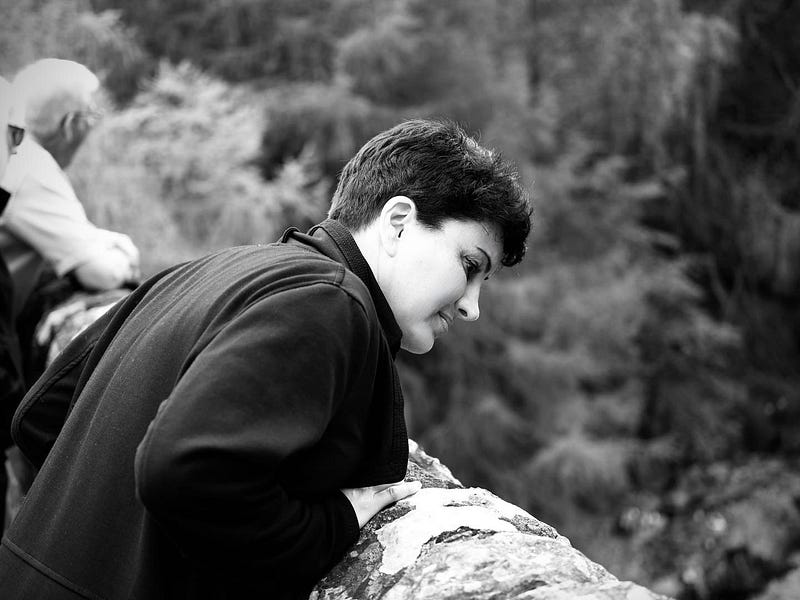
There’s a place in most of our hearts where wounds take up residence, and we must decide what kind of hosts we ought to be.
The bitter and resentful host will grow weary of these unwanted, painful guests. The reflective, tolerant host will find wisdom and lessons in their presence, despite the pain.
Water under the bridge is often thought of as past events best forgiven, forgotten, or ignored. That way we can unburden ourselves, and move on.
But entombed memories are persistent.
An unceremonious burial may feel expedient, but ghosts easily flee their tombs. Because their job is not eternal sleep.
Their job is to haunt us.
We’ve all met people haunted by the past. Trying to ignore their ghosts. Never looking over the other side of the bridge, where the water has gone.
Ghosts rely on fear.
They know we don’t want to unearth the past. They know we are creatures of avoidance. They are pleased when they win, watching as our confused souls reach unsuccessfully for a happier life.
Maybe it’s time we turned the tables and haunted our ghosts?
Maybe it’s time we finally confronted them, and embraced the very thing we’re supposed to be most afraid of. It won’t be easy, but it’s the only way to be free.
Internalization and repression will only make us sick.
Fear is the little death that brings total obliteration
I met a woman in my law enforcement career whose past kept her imprisoned in the present.
She was the victim of spousal abuse, and despite pleas from friends and family, she refused to leave her abuser. I contacted our county women’s crisis center, and they sent a professional to talk with her.
That’s when her ghosts felt fear.
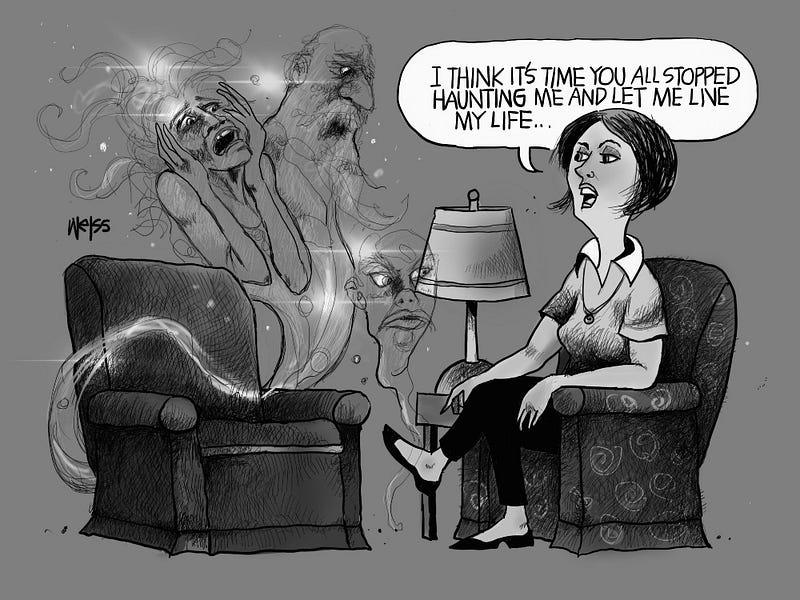
She received counseling and found the courage to confront her past, and the abuse she suffered as a little girl. It was difficult but instructive. She realized the guilt she felt was misplaced.
The abuse was not her fault.
Eventually, she left her abusive boyfriend. She dared to study the water under the bridge. And in its ripples and depths, she saw the pain of the past.
But she also saw her reflection.
She saw a brave woman who found the strength to stare down her ghosts. She also saw her future. A future free of pain, abuse, and hope.
“I must not fear. Fear is the mind-killer. Fear is the little-death that brings total obliteration. I will face my fear. I will permit it to pass over me and through me. And when it has gone past I will turn the inner eye to see its path. Where the fear has gone there will be nothing. Only I will remain.” ― Frank Herbert, Dune
What about you?
What’s buried in your past that’s keeping you from moving forward? What ghosts are ruining your hopes, dreams, and inner peace?
Longing is momentum in disguise
Like water under the bridge, we don’t want to look back. It’s easy to run from the triggers, hide from the past, ignore the ghosts, and hope things will get better.
Unfortunately, things often don’t get better.
The painful memories interrupt our life. We feel stuck, despite longing for a happier life.
But here’s the thing about longing, it’s a positive first step. In her book “Bittersweet: How Longing and Sorrow Make Us Whole,” author Susan Cain wrote:
“Longing is momentum in disguise: It’s active, not passive; touched with the creative, the tender, and the divine. We long for something, or someone. We reach for it, move toward it.”
The next step, after longing, is to find the courage to look over the other side of the bridge. To where the water has gone. Where your past, and painful memories, reside.
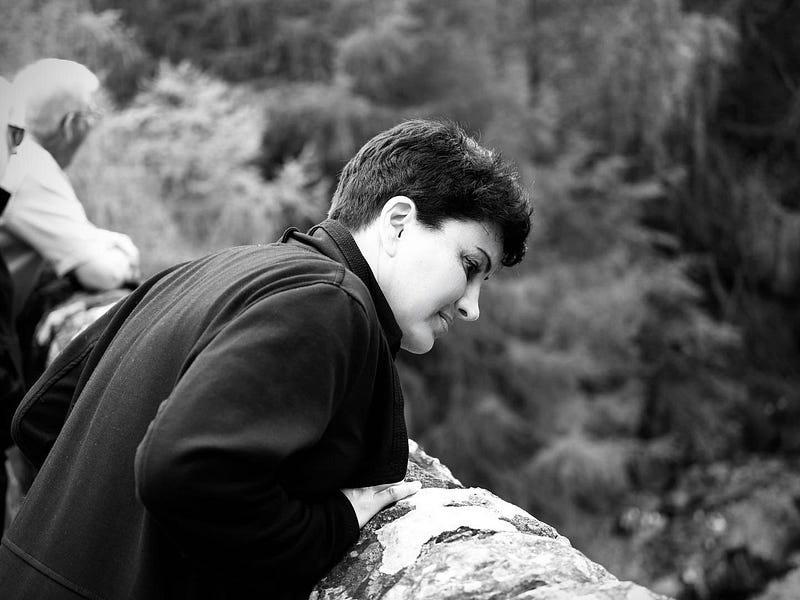
It’s time we confront our ghosts, instead of running from them.
We need not bury the past to regain our power. Whether we do it alone or with the help of a professional, we can learn how the past has shaped who we are today. Our strengths and imperfections.
And like Japanese kintsugi, we can celebrate our imperfections. Maybe even use them to our advantage, just like an introvert cherishes alone time for intense study and personal growth.
The best people all have some kind of scar
Rigorous, regular exercise can produce lactic acid. Our muscles ache. There is pain. But our bodies grow stronger. The key is in how we train. It must be done properly, to avoid injury.
Emotional pain from the past is an injury.
So we must learn how to train better emotionally. Learn how to see and understand the injury. How to work around it, and build up our endurance, strength, and confidence.
“The best people all have some kind of scar.” ― Kiera Cass, The One
The pain of the past can be sacred, possibly even redemptive.
It can remind us that we survived and that we are stronger, even in the broken places. When we confront our ghosts, we can learn and grow from them. Maybe even confess them.
Sometimes, pain can become a tool for growth and transcendence.
Consider the many religious rituals that involve inflicting intentional pain through self-flagellation, extreme fasting, sleepless nights of prayer vigils, wearing rough and irritating garments, body piercing, etc.
Religious figures like St. Francis of Assisi and St. Anthony of the Desert chose hardship and pain over comfort and prosperity. Why? To find transcendence.
“Crossing a bridge is never as far as you think.” ― Bert McCoy
If we confront the water under the bridge, the ghosts of the past, perhaps we can find transcendence, too.
We needn’t live in fear or anger. We can see the pain, and still, welcome the guests. We can choose to be the hosts that set the tone for healing. We can learn how to live with and carry the past within us.
There can be peace on the other side of the bridge.
(Originally published at JohnPWeiss.com)
Before you go

I’m John P. Weiss. I write elegant stories and essays about life. To follow along, check out my popular Saturday Letters here.


