
EMPATHY | WRITING | CREATIVE WRITING
Why It’s Good to Talk to Strangers
As humans, we’re natural-born story-tellers; let’s share those stories
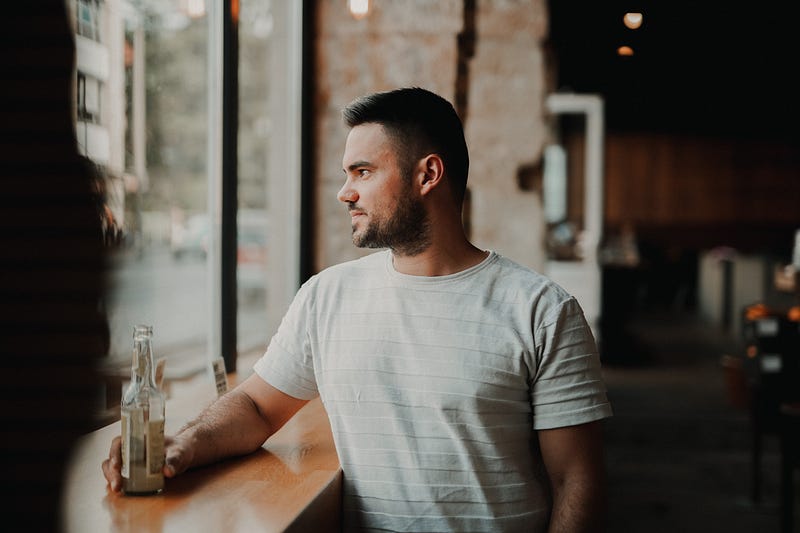
In the summer of 2018 I undertook a cycle journey that took me almost to the four corners of London. I would later embark on a longer two-wheel-powered trip that took me to farther places, but the one in the summer of 2018 was the one that stuck in my mind the most.
The reasons vary, but at the heart of it is that I saw my fellow Londoners (born here or not) in a different light. Consider that only two years before the country had voted to leave the European Union. A few months after that calamitous decision, Trump was elected president of the US. Although in charge of a different nation, Trump’s pervasive, unfiltered, populist views affected British politics in a way that we’ve yet to address, let alone fix and reverse.
Against that background, I saddled up and headed south down the River Lee Navigation Canal. Armed only with a makeshift sign that read “What Does Love Mean to You?” I aimed to engage with as many strangers as possible. Along the way I also wanted to test the theory I’d first heard when I moved to the British capital in 1997, that Londoners were on the whole an apathetic bunch, more interested in their books and newspapers on the Tube than the people sitting next to them.
Well, for starters, I wasn’t using public transport, but the pedals on my bicycle.
I’ve always been a people-watcher. From an early age, whenever I was out and about with my parents, I came up with stories for the strangers who crossed our paths. Had I written down those ideas and turned them into scripts, I would have by now probably been the recipient of a Bafta, an Emmy, or, dream on… an Oscar.
Nowadays you’ll find me in squares, caffs, and parks with one of my trusted bicycles by my side, looking around, observing, concocting stories about the people who walk by. In my head myriad plots unfold, multiple stories play out, different narratives compete for pride of place.
The icing on the cake of these quirky moments? Starting a conversation with a stranger.
It doesn’t have to be a long chat. But I don’t go for soul-sapping, weather-related natter either. Most of the time I’ve found reciprocity and have been rewarded with meaningful and deep engagements. That was what happened with my “What Does Love Mean to You?” project.
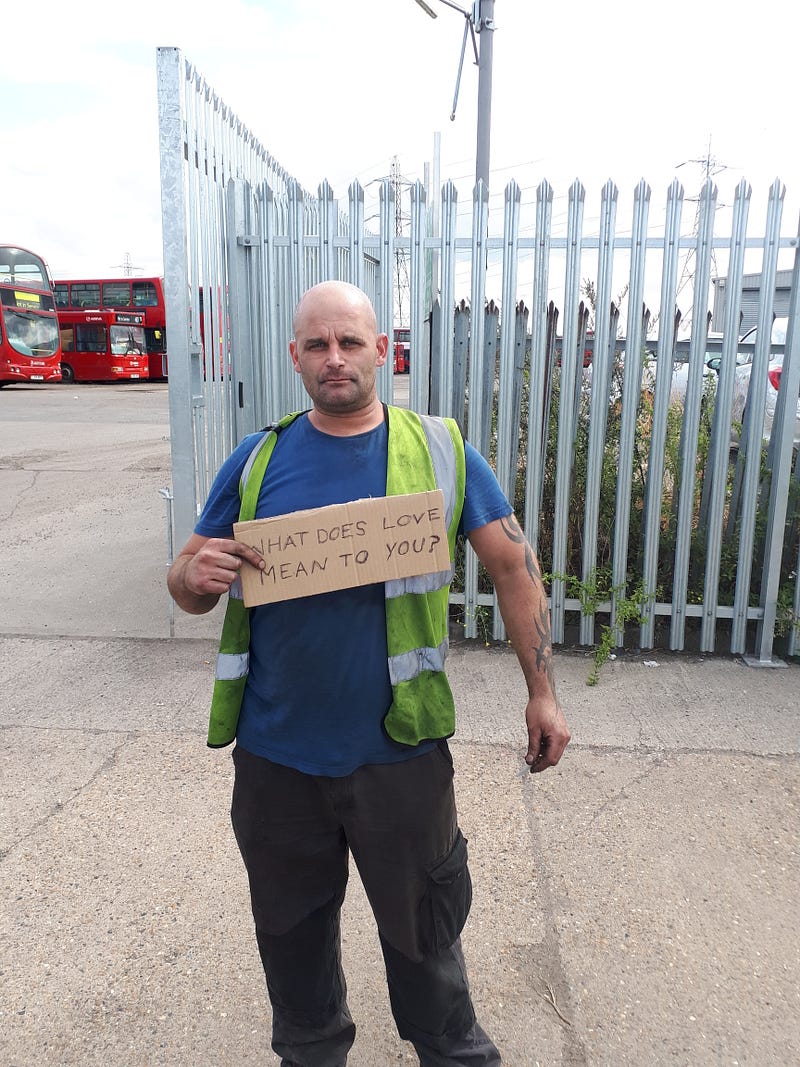
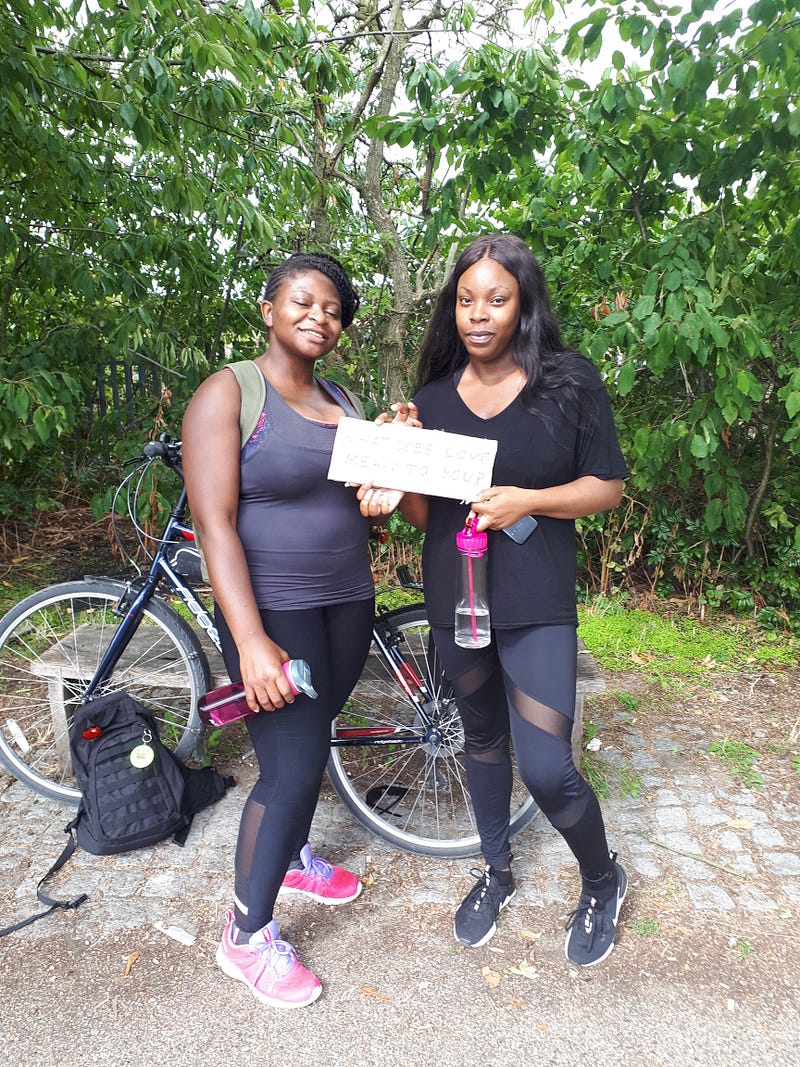
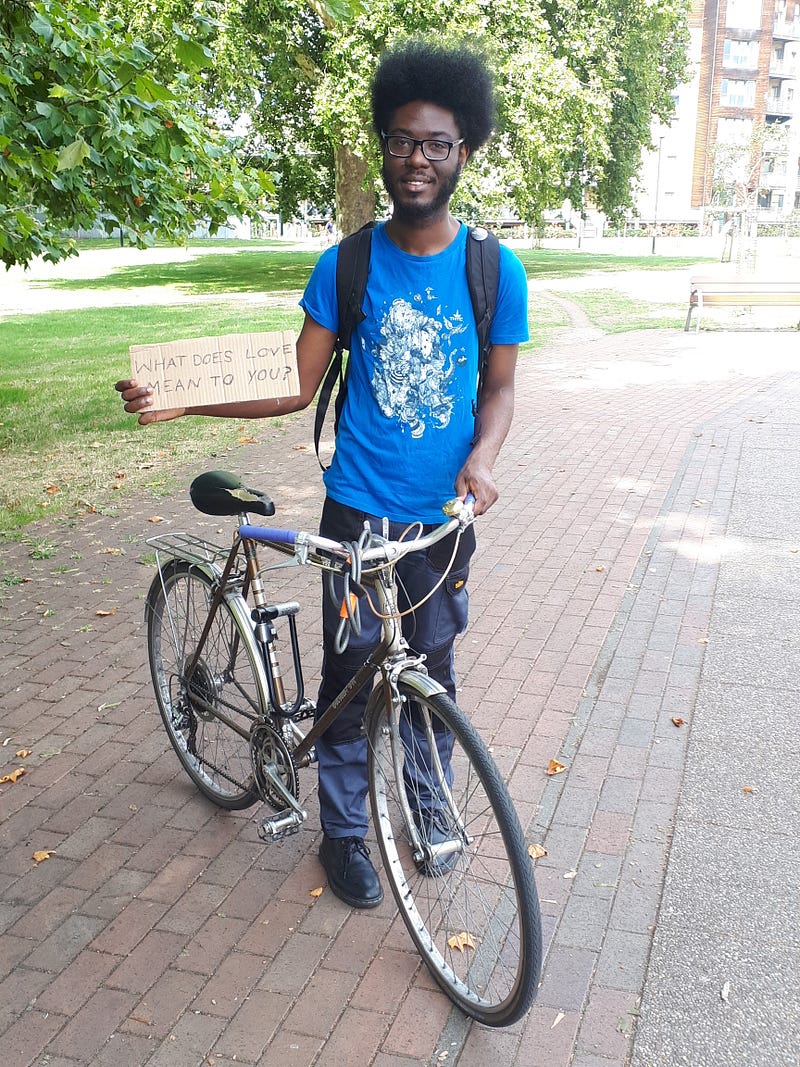
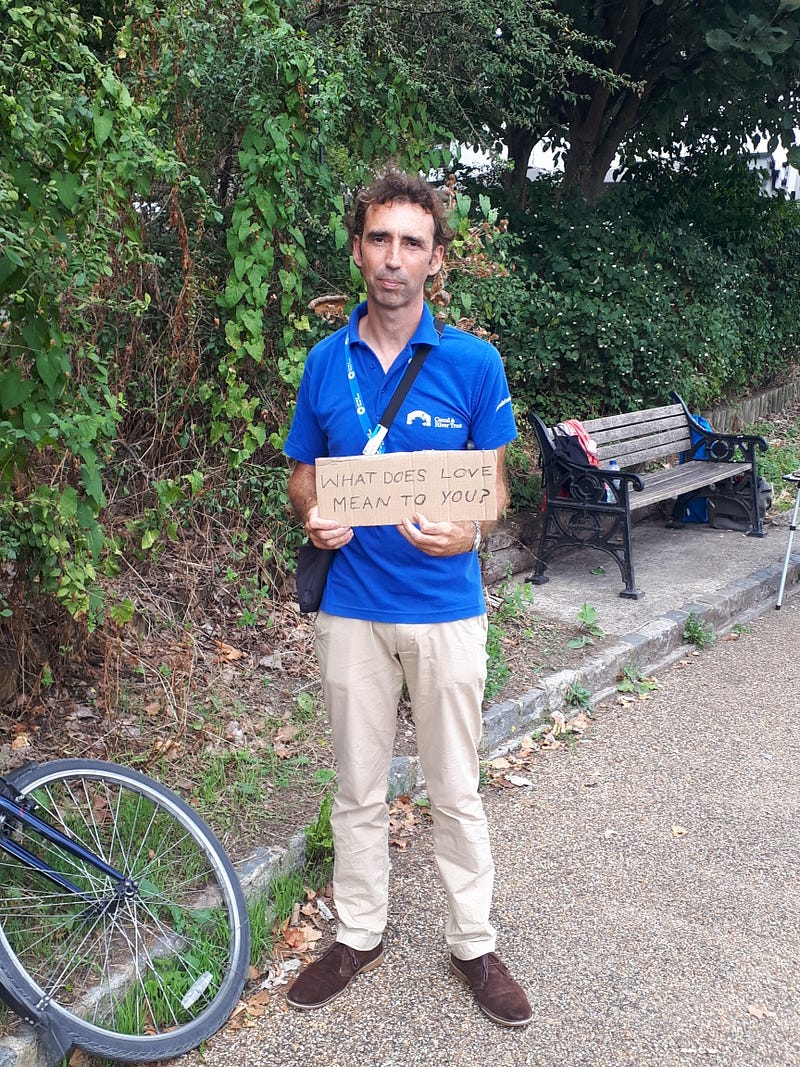
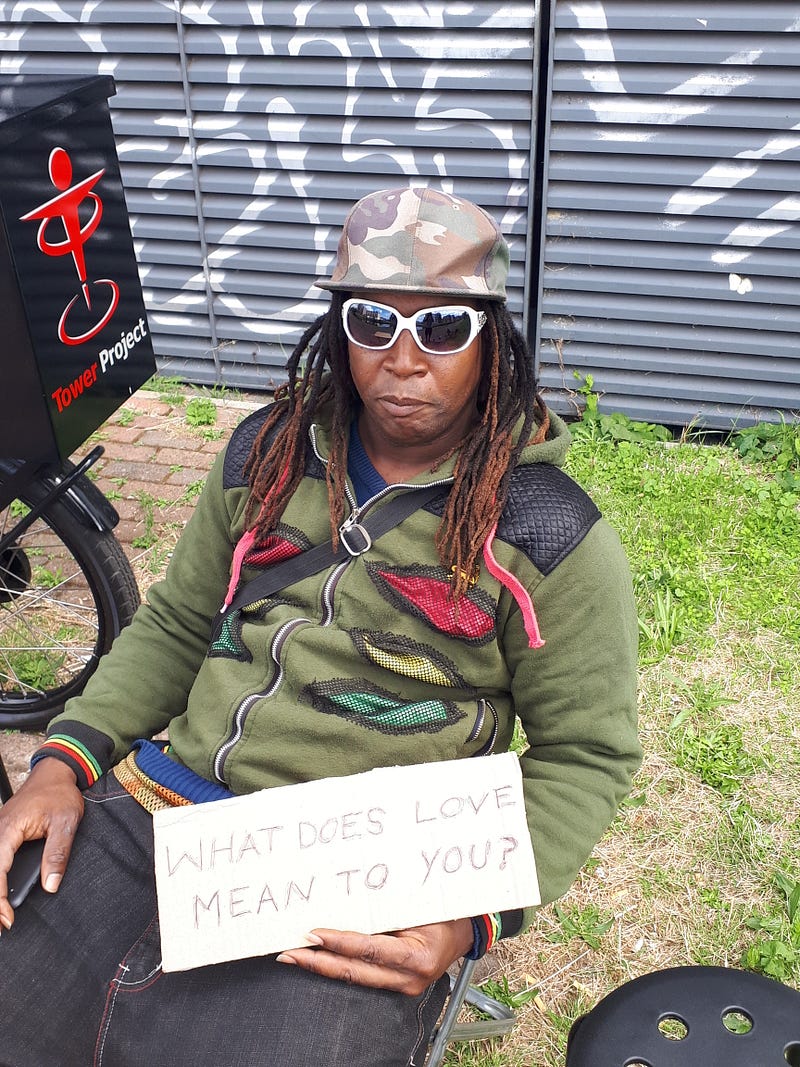
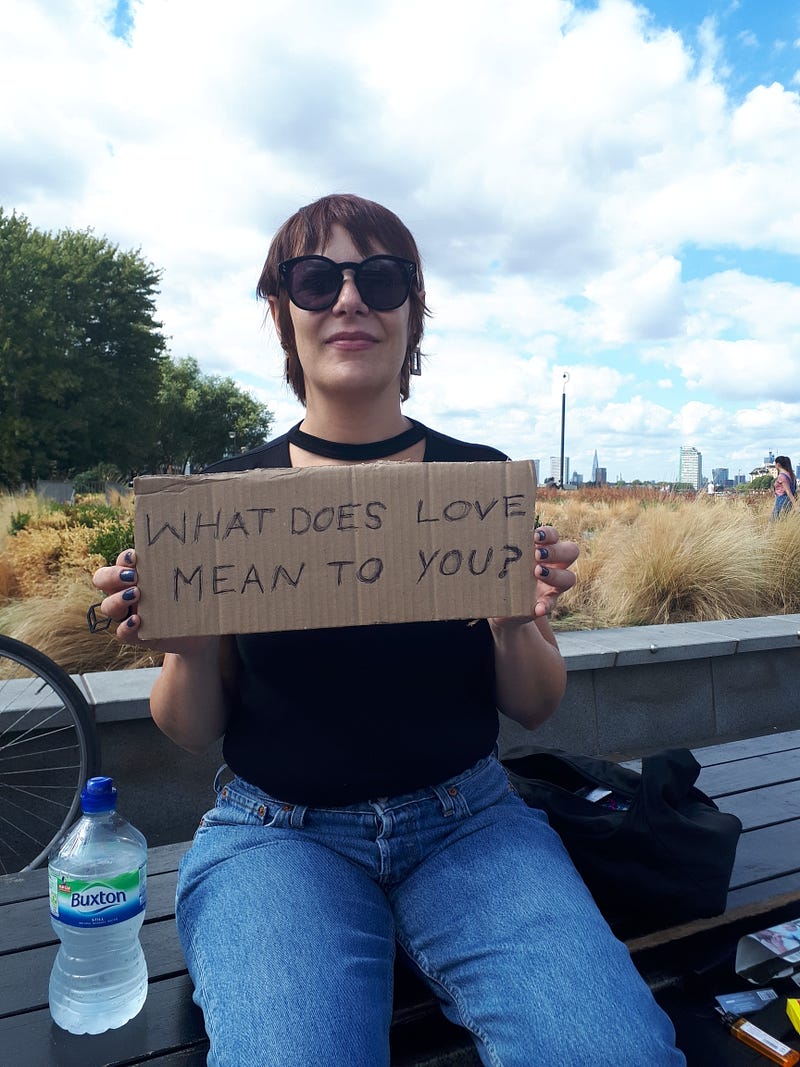
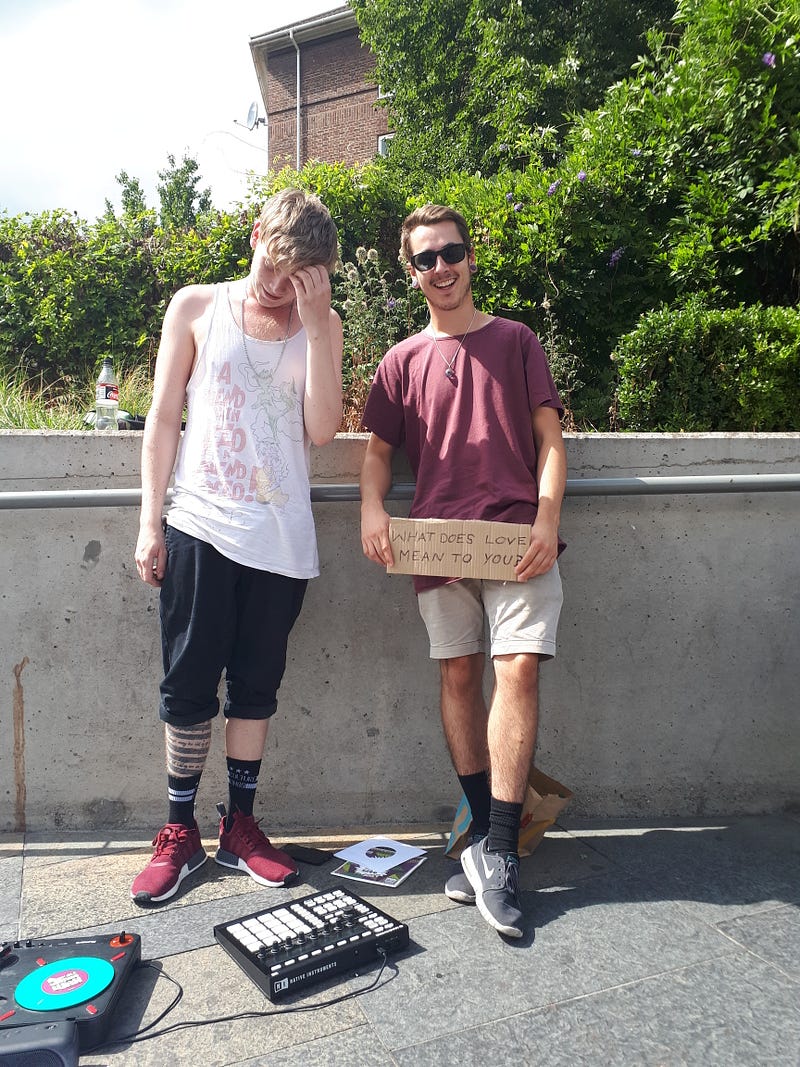
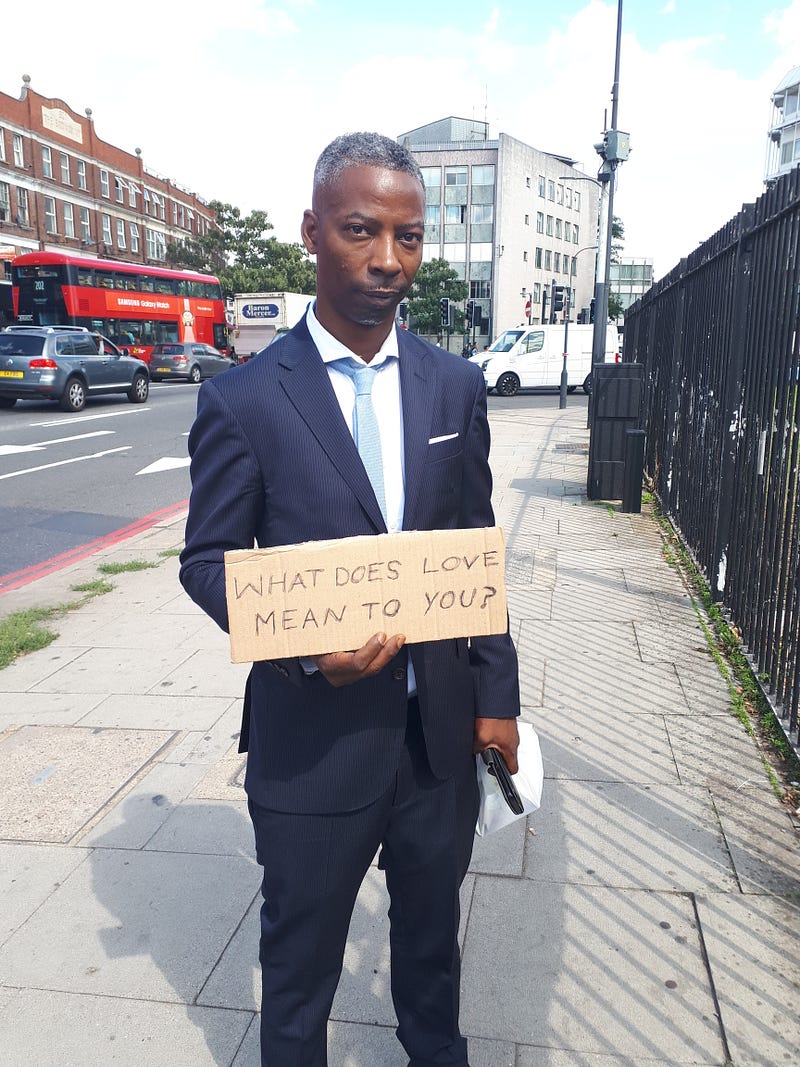
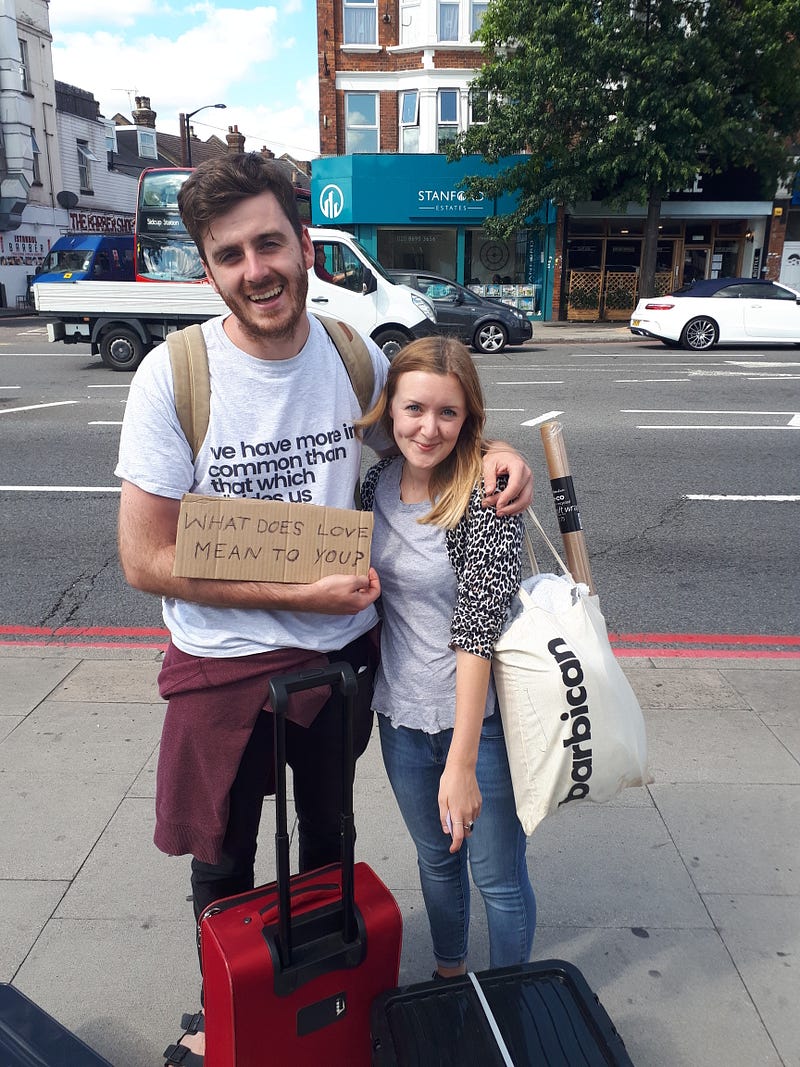
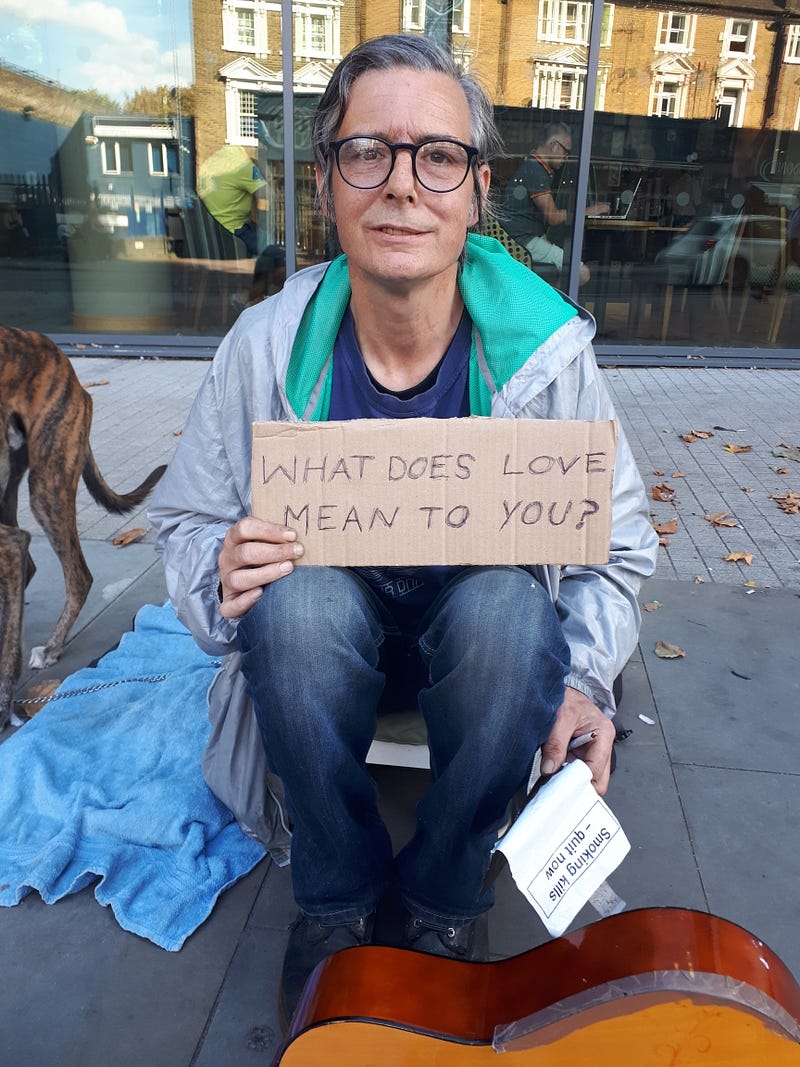
One of the answers I loved the most was the one given by a young guy I stopped just before I went back on the towpath near Lea Bridge Road, in east London. Love to him was listening with compassion. Every time I replay the recording, I can see myself nodding vigorously to every word he utters. Compassion. Empathy. Sympathy. Understanding. Respect. These are not just isolated terms to be found in a dictionary, but active elements of a functional society.
Another reason why this London-wide jaunt has stayed with me is that the conversation with these strangers (and others who asked me not to tape them) continued after I switched my mic off. The last interview was with a homeless guy outside Earslfield station. To say that he was down on his luck would probably be the understatement of the century. Yet, he was not bitter. His voice was calm. He had an optimistic outlook on life. We carried on talking for at least another three quarters of an hour.
Later on that night, as I massaged my knackered legs, and rested my tired body, I thought of Walt Whitman’s poem “To a Stranger”, and the immortal lines “I ate with you and slept with you, your body has become not yours only nor left my body mine only/You give me the pleasure of your eyes, face, flesh, as we pass, you take of my beard, breast, hands, in return/I am not to speak to you, I am to think of you when I sit alone or wake at night alone/I am to wait, I do not doubt I am to meet you again/I am to see to it that I do not lose you.”
Let’s not lose those strangers. We need them in our lives.
Below I’ve included three of the ten conversations I recorded with strangers in the summer of 2018.
Cuban, Immigrant, and Londoner, on sale now.
You can buy me a coffee here.


