
Why is there tinnitus in your ears? Causes and methods of treating tinnitus
By Maryam Jamal , 4th Professional Medical Student
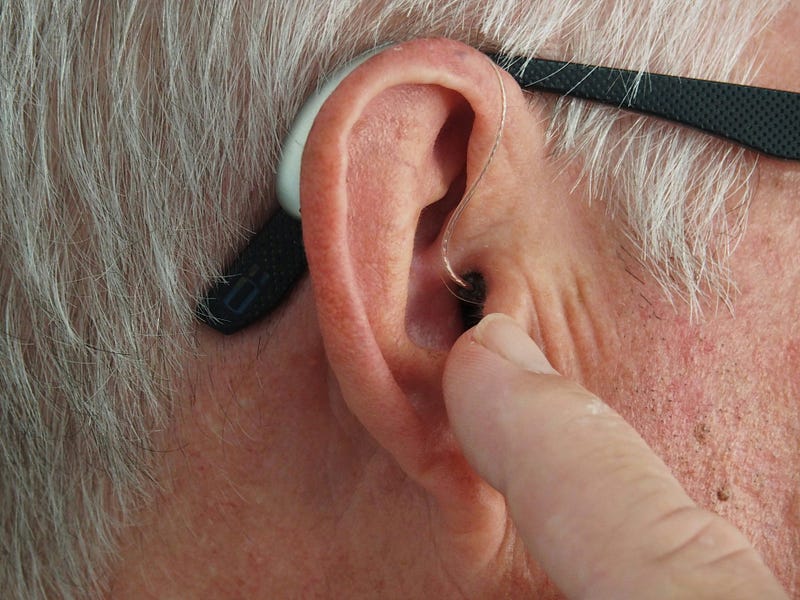
Tinnitus is a subjective symptom — an acoustic phenomenon heard only by a given person, despite the absence of an acoustic stimulus (sound-generating factor). Tinnitus does not affect the quality of hearing or the health of the hearing organ. They can be heard in one ear, both ears, in the head, and sometimes in the ears and head simultaneously.
Tinnitus can be divided into:
- continuous noise,
- periodic noise (heard at intervals).
The likelihood of tinnitus increases with age. The disease occurs more often in older people. Patients perceive the sounds they hear as more intense in a quiet place, especially at night. Tinnitus may also be more bothersome in stressful situations.
In rare cases, tinnitus is not subjective but objective . This means that noise is the result of sound emitted by anatomical structures close to the ear. It can sometimes be heard by the person listening to the patient. Objective noise may be caused by blood flow in the jugular artery or vein. The sound may then disappear when you turn the head or press the jugular vein.
Symptoms of tinnitus
Patients usually describe tinnitus as:
- buzz,
- rustling,
- ringing,
- murmurs,
- rumble,
- whistle,
- knocking,
- howl.
Sounds may be soft or loud, constant or recurrent, unrelated to external stimuli or triggered by changes in position or eye movement. This is information that may lead the doctor to the cause of the problem, so it is worth telling about it.
The occurrence of tinnitus can cause a number of other symptoms, including worsening the quality of life , hindering the ability to concentrate, negatively affecting sleep and mood, causing irritability or depression, and even leading to the development of depression or anxiety disorders.
Some people experience decreased hearing or a feeling of fullness in the ear.
Tinnitus may be accompanied by symptoms indicating a head or neck injury, such as:
- dizziness,
- headache,
- balance disorders,
- problems with memory.
For some people, tinnitus is not a major problem, for others it has a huge negative impact on everyday functioning, even makes it impossible to lead a normal life, or only bothers them in specific circumstances, e.g. during sleep.
Causes of tinnitus in the ear
Noise is usually the result of irritating receptors in the inner ear (the vibrations received by the brain are interpreted as sounds). Their excessive activity may be caused by many, often difficult to detect, factors. It is not always possible to find the cause of tinnitus.
Here are the possible causes of tinnitus:
- earwax stuck in the ear,
- inflammation, middle ear infections, labyrinthitis,
- swelling caused by e.g. allergy,
- chronic diseases such as atherosclerosis , hypertension , diabetes ,
Injuries caused by noise — both a single bang and work accompanied by excessive noise, but also listening to music through headphones (especially those inserted into the ear),
degeneration of the hearing aid or damage to receptors resulting from age,
- Meniere’s disease,
- head and neck injuries,
- the effect of some drugs, e.g. salicylates, aminoglycosides, loop diuretics, some anticancer drugs,
- stress, anxiety disorders, neurosis.
How is tinnitus diagnosed?
The appearance of tinnitus should always prompt a visit to a doctor. Audiological tests should be performed . At the beginning, it is worth reporting the complaint to your general practitioner and asking for a referral to an otolaryngologist . The specialist will start by conducting a medical interview and an otoscopic examination (using a special device with a light, he will examine the inside of the ear), and if necessary, he will order other diagnostic tests.
The following are used in the diagnosis of tinnitus:
- auditory brainstem responses (ABR),
- audiometry,
- psychoacoustic tests,
- computed tomography (e.g. tomography of the head, sinuses),
- magnetic resonance imaging,
- angiography.
Diagnosis and treatment of tinnitus are reimbursed by the National Health Fund.
Tinnitus treatment methods
Depending on the cause, other methods of treating tinnitus are used. Here are some examples of improvement actions:
- earwax remaining in the ear — rinsing it out may solve the problem, you should consult an otolaryngologist who will safely clean your ears (more: how to clean your ears ),
- inflammation, middle ear infections, labyrinthitis — if the infection is bacterial, it will be necessary to take antibiotics,
- swelling caused by e.g. allergy — it may be helpful to alleviate allergy symptoms (e.g. by using antihistamines, nasal sprays with steroids) and avoiding allergenic substances,
- chronic diseases such as atherosclerosis , hypertension , diabetes — they worsen the condition of blood vessels and make us hear the blood flowing through them; the underlying disease should be treated and measures to improve circulation should be taken,
- injuries caused by noise — in many cases, avoiding loud sounds for a long time improves,
- degeneration of the hearing aid or damage to receptors resulting from age — in such cases, laser therapy or hyperbaric oxygen chambers may help (the treatments promote the renewal of auditory receptors); you can try TRT therapy — its goal is to “teach” the brain to ignore noise,
- Meniere’s disease — tinnitus is accompanied by a feeling of fullness in the ear, severe dizziness; pharmacological and surgical treatment is used,
- head or neck injuries — physiotherapy may be helpful, and sometimes surgery is necessary,
- the effect of some drugs , e.g. salicylates, aminoglycosides, loop diuretics, some anticancer drugs — discontinuing the drugs may bring improvement, but you must first consult the doctor who prescribed these drugs,
- stress, anxiety disorders, neurosis — some patients find it helpful to realize that tinnitus is not the result of any disease; focusing your attention on other pleasant activities or thoughts may provide relief; Psychotherapy and regular physical activity will be helpful; For some people, your doctor may prescribe antidepressants and sedatives.
Home remedies for tinnitus
If tinnitus occurs, it is best to see a doctor. Home methods can be used to help:
- avoiding loud noise and complete silence,
- falling asleep to gentle, quiet music,
- stopping using earplugs or earphones,
- limiting coffee and stimulants.
Can tinnitus be dangerous? When does it indicate a serious illness?
Tinnitus is rarely associated with serious medical problems. They are usually not long lasting enough to interfere with daily life. However, it sometimes happens that the symptoms are severe and significantly affect the quality of life. They may significantly impair the ability to concentrate and memory and cause insomnia. In rare cases, they are so bothersome that they cause anxiety disorders or depression. One study by researchers at the University of Illinois found that chronic tinnitus causes greater brain activity in specific areas and can lead to exhaustion.
Tinnitus may indicate a disease that requires treatment. Alarming symptoms of tinnitus that indicate a serious cause include:
- an externally audible murmur around the ear or on the skull,
- unilateral tinnitus,
- additional neurological symptoms (e.g. dizziness, sensory changes, balance disorders, double vision).


