
SOCIETY
Why Is the World So Loud?
How noise pollution impacts our physical and mental health
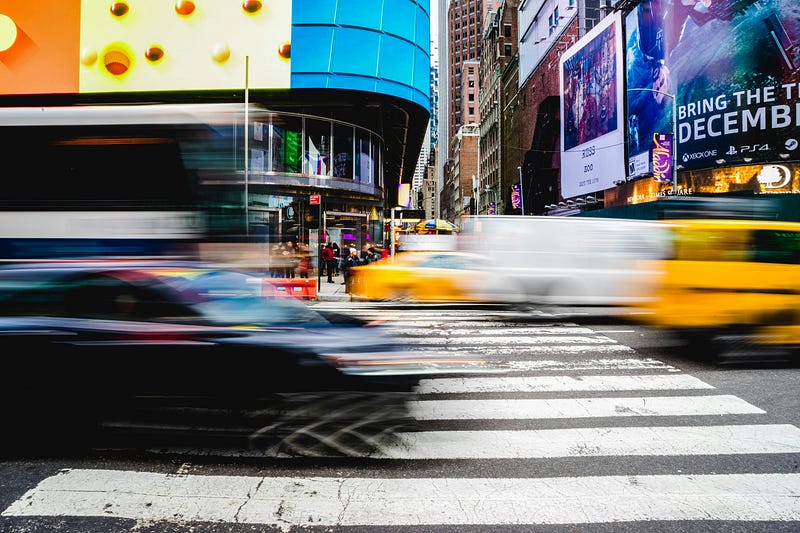
As soon as I open the windows in the morning, I am inundated with the irritating sounds of construction, traffic, and sirens. I live in a residential area of Chiba prefecture in Japan, where most residents commute to Tokyo for work. Even outside of rush hour, though, the noise never seems to stop.
Next spring, I plan to move to Nara prefecture, a countryside area. Besides the lush green scenery, I most look forward to a significant decrease in noise pollution. As someone who suffers from chronic migraines, it is extreme measures like this cross-country move that I have to take to reduce potential triggers.
But what if the entire world could be just a little bit quieter? This question prompted me to investigate all sources of auditory overstimulation, as well as potential solutions. Because I’m not the only one enduring health issues due to the cacophony on the streets or in our abysmally insulated apartments. Rather than expecting people to sit in a dark room or wear noise-canceling headphones at all times, let’s do some reconnaissance on the noisemakers.
Decibel Deritude
The WHO puts the safe hearing level at 80dB for up to 40 hours a week, yet urbanites in major cities across the world are regularly exposed to sounds well above that. Dhaka, Bangladesh was named the noisiest city in the world in 2022 at an average of 119 dB. Ho Chi Minh City, Vietnam, Rajshahi, Bangladesh, Islamabad, Pakistan, and Moradabad, India all range from 103 to 114 dB — which puts residents at significant risk for irreversible hearing loss and other health concerns.
So is flocking to the countryside the answer? Not so much. For one, it is due to poor infrastructure and a lack of regulations surrounding motor vehicles that the noise pollution got so bad in larger cities.
However, the countryside is not immune to the symphony, whether manmade, natural, or a duet of both. The sounds of logging facilities, paper mills, sawmills, farm machinery, mining, and wildlife are all bound to float in through the windows of your prospective countryside home. While I couldn’t find any statistics for the average decibel level of rural areas across the world, I did find a study citing that most tractors alone fall within the range of 91–95 dB. Moving from Middle America to Japan, all I’ve done is swap tractors for ambulances.
Noise pollution isn’t just annoying, though — there are very real consequences for your physical and mental health.
The Consequences
Regardless of your location, noise pollution interrupts and distracts from work and daily life. The constant strain on your ears can cause heart disease, hypertension, and poor-quality sleep, which in turn leads to cardiovascular issues and focus problems. Our behavior is affected too, making us more agitated, more argumentative, and less likely to help strangers.
What if the negative traits of cities could all be attributed to the noise pollution within them? After all, natural soundscapes are infinitely better for our mental and physical health but must be produced by a machine to be heard in most urban areas.
Loud or grating sounds are a major trigger for migraine-havers like myself. I am especially sensitive to sounds due to my misophonia, which is tied to my autism, and my tinnitus, which is due to my Deafness. The endless stream of vehicles on the major road down the hill from my apartment exacerbates both.
Even when I take out my hearing aids, I can’t get a break. There is the din of a jackhammer vibrating beneath my feet and the whirring of my neighbor’s washing machine upstairs detracting from my focus. The pain in my head makes its haughty appearance.
While I can’t yell out my window for the entire world to shut up, it shouldn’t be on me to cut out cheese, exercise, or anything that brings me joy in life in a fruitless search for a cure. I’m tired of lying in bed with a pillow slung over my ears trying to drown out the triggering noise.
The responsibility should be on local governments and housing administrations to ensure more peaceful residences.
The Sound of Silence
Enter the city of Delft in the Netherlands, where the city center is so quiet that the YouTube channel Not Just Bikes measured a noise level of 55 dBa just outside the train station. In 2014, the city center underwent massive construction, where parking lots for cars were replaced with parking lots for bikes. Speed limits were reduced, quiet asphalt was put in, and soundproofing was installed to meet the noise level requirements of the EU Environmental Noise Directive.
It’s great to see Europe taking the issue of noise pollution seriously. I wish other regions would take heed, especially with the Asian continent’s inclination towards motorbikes and mopeds. Why sleeping citizens must be subjected to the whine of a motorcyclist even in the middle of the night is beyond me.
As tempted as I am to rail against what I deem particularly obnoxious human behavior, the blame should be placed on cities without regulations for motor vehicles. Take Hong Kong, which has discouraged the use of privately owned cars by placing significant taxes on them. Owners are incentivized to switch to electronic vehicles, which now make up 52% of privately owned cars, by having the first registration tax waived if they do so.
While motorcycles are allowed, the speed limit is a low 50 kph in the downtown area and 70 kph in rural areas. Therefore, you won’t hear the roar as you’re trying to sleep.
The Environmental Protection Department has strict noise standards that all vehicles must adhere to, and these regulations show a fruitful effort to reduce noise pollution across the region.
If there’s one manmade source of noise I’d like to outright ban rather than place regulations on, it’s fireworks. Given that they sound nearly identical to gunfire, fireworks are unfairly triggering for veterans and neurodivergent folks like myself, not to mention our beloved pets. The joy that it may cause for the split second the projection is visible is just not worth the damage to those trying to enjoy their night in.
Sirens and warnings, on the other hand, only need to be perceived by all, not heard. Perhaps ambulances and firetrucks could just use their flashing lights, or at the very least change the sound to something universally appealing. Better yet, a separate lane for emergency vehicles so cars do not need to be warned to get out of the way in the first place.
Fortunately, I have not yet heard the tsunami siren during my time in Japan, but my concern is that the traffic will drown out the warning siren. In this instance, accessibility measures such as high-contrast flashing lights inside all homes would guarantee that every resident can be alerted to the danger.
I realize this itemized list is a lot to ask of governments like the United States who prioritize six-lane highways and shopping malls over the well-being of the people who live there, but a girl can dream of municipalities acting on noise pollution, right?
Coda
My migraines will likely never go away, but they can be indirectly mitigated by measures to reduce noise pollution. There’s not much we can do on an individual level except discourage our uncles from buying one of the aforementioned motorbikes and contacting politicians. In the end, it is up to them to bring the cacophony down to pianissimo, for the sake of their constituents’ physical and mental health.
If you liked this article, feel free to give me a clap, comment, or follow! Thank you so much for reading and supporting my work.


