
Why Is the West Reluctant to Seize Russian Assets?
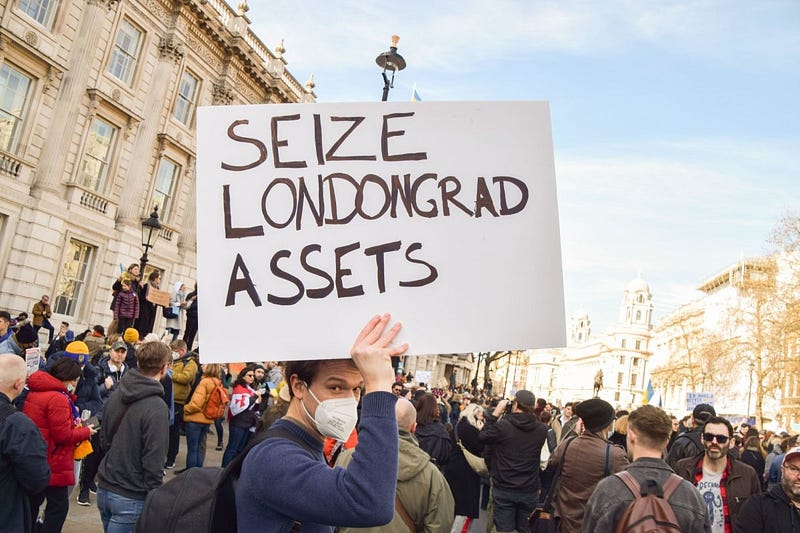
The European Union’s stance on the confiscation of Russian assets has emerged as a pivotal battlefield, albeit on the financial and legal front rather than through conventional military means. For months, EU officials have deliberated on how to effectively leverage the significant financial assets frozen in the aftermath of Vladimir Putin’s 2022 invasion of Ukraine. This consideration, a testament to the bloc’s strategic efforts to support Ukraine, underscores the EU’s cautious navigation through geopolitical tensions and the potential repercussions of such unprecedented financial measures.
At the core of the EU’s hesitation is a concern deeply rooted in the potential for significant geopolitical fallout. The fear is not just about immediate economic implications but also about setting a precedent in international relations. The proposal being considered by the G7 countries to use these assets as collateral for bank loans to aid Ukraine’s rebuilding efforts represents a radical shift in the economic warfare associated with international conflicts. Yet, the apprehension surrounding market reactions and Moscow’s potential response highlights the delicate balance the EU is trying to maintain between taking decisive action and avoiding escalation.
European officials are acutely aware of the risks involved in asset seizure, particularly the possibility of damaging the eurozone’s attractiveness to investors. This cautious approach is driven by the recognition that the measures could indeed “stain the reputation of the eurozone,” making it a less appealing destination for international capital. The reluctance to proceed with asset confiscation stems from an understanding of the uncharted territory such actions represent, coupled with a legitimate concern over the broader consequences of these bold moves on the international stage.
A quick heads-up: Medium’s been tweaking its algorithms and it’s getting trickier for my stories to land in your feed. So, if you enjoy my work, please make some noise! Hit that clap button, light up the highlights, or drop a comment. Every interaction helps keep the stories flowing. Thanks for your support!
The possibility of Russian retaliation through legal and diplomatic channels, adds another layer of complexity to the EU’s decision-making process. Legal challenges against Euroclear, which holds a significant portion of Russian reserves in Europe, illustrate the potential for a protracted legal battle that could have far-reaching implications for the European financial system. The Kremlin’s response, while not digital, could manifest in various forms of legal and political pressure, highlighting the multifaceted nature of modern geopolitical conflicts.
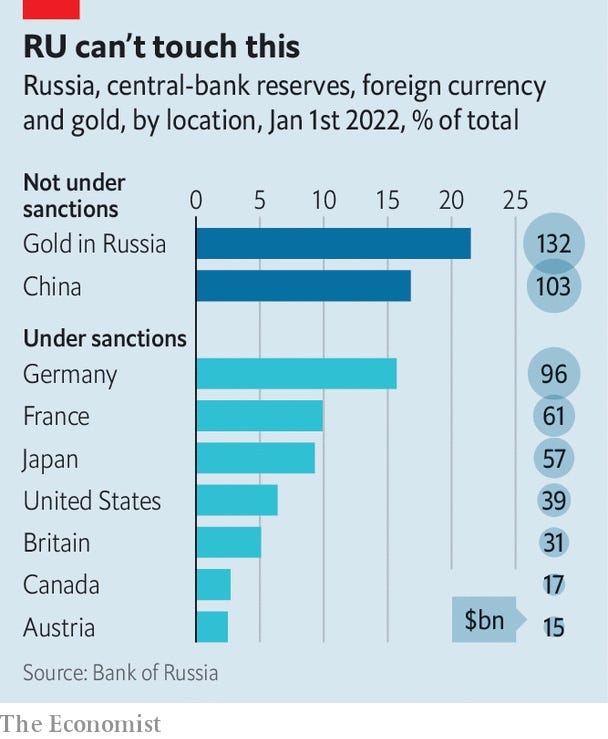
Despite these challenges, the imperative to support Ukraine in its post-war reconstruction remains a driving force behind the EU’s considerations. The potential to utilize over 200 billion euros from confiscated Russian assets for this purpose represents a significant opportunity to aid Ukraine’s recovery, underscoring the geopolitical and ethical considerations at play. The EU’s cautious yet potentially transformative approach to leveraging frozen Russian assets is a reflection of the broader strategic calculations involved in responding to the Ukraine crisis.
In stark contrast to the European Union’s cautious approach towards the seizure of Russian assets, the United Kingdom has demonstrated a more audacious posture, already setting its sights on Russian-owned properties within its jurisdiction. This shift towards a proactive stance is epitomized by the recent revelations surrounding the Kremlin’s extensive £200m buy-to-let property empire in London, as uncovered by Mark Hollingsworth. The UK’s legal system is now poised to challenge the previously untouchable assets of the Russian state, marking a significant departure from the EU’s hesitancy.
The discovery of the £35m Victorian Grade-II-listed mansion on Holland Park, with its clandestine history of housing Russian intelligence officers and diplomats, underscores the depth of Russia’s investment in strategic UK real estate. This property, along with others valued at an estimated total of £200m, finds itself at the center of an unprecedented legal battle that could see these assets seized in response to Russia’s refusal to comply with international legal rulings, notably in the case involving the former shareholders of Yukos Oil.
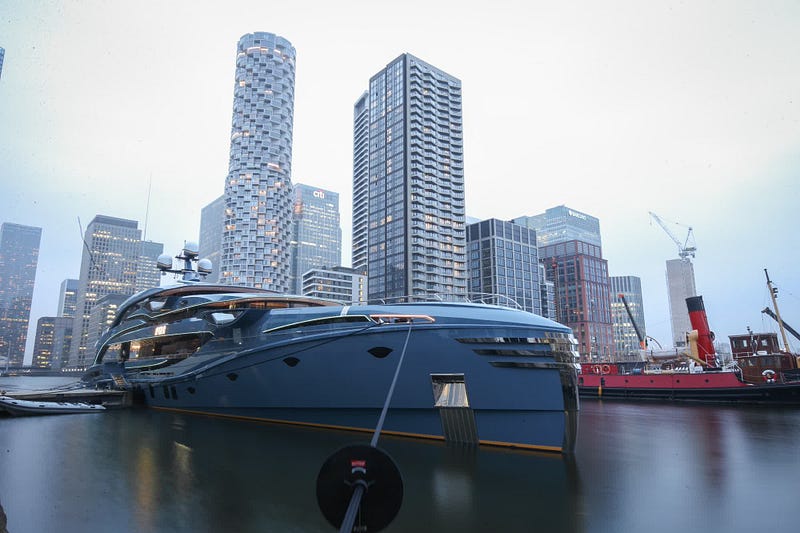
This bold move by the UK, leveraging a High Court order against a plot of land in Kensington as a legal wedge, highlights the willingness to confront Russia’s financial maneuvers head-on. The charge, obtained after Russia failed to pay legal costs ordered by the court, signifies a crucial turning point. It suggests that Russian assets can be targeted, challenging the notion of sovereign immunity that Moscow has long relied upon to protect its overseas investments from legal repercussions.
The ramifications of this legal strategy extend beyond the immediate properties at stake. With an estimated £28bn of Russian Central Bank reserves held in the UK, the government’s actions could pave the way for a broader seizure of assets, potentially funneling significant resources towards the reconstruction of Ukraine. This approach aligns with growing calls for legislative changes that would allow the confiscation of Russian sovereign assets used for diplomatic purposes, especially in light of Putin’s illegal war in Ukraine.
Notably, the involvement of prominent figures like Bill Browder in advocating for these legal mechanisms underscores the momentum building within the UK for a more assertive response to Russian aggression. Browder’s perspective, emphasizing the potential for special legislation to bypass traditional barriers of sovereign immunity, reflects a strategic recalibration in dealing with the assets of a nation that flouts international law.
The UK’s stance, as evidenced by the successful charge over Russian property, sets a legal precedent that could encourage further enforcement actions against Kremlin-owned assets. This proactive approach not only signifies a departure from the EU’s more cautious strategy but also serves as a potential model for leveraging economic and legal pressure in geopolitical conflicts.
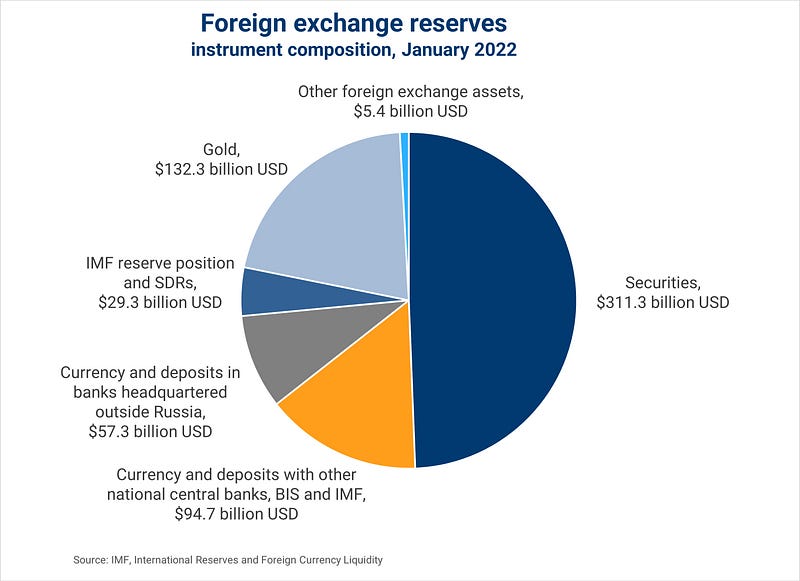
As the G7 leaders contemplate a unified legal strategy to seize $300bn of Russian frozen funds for Ukraine’s benefit, the UK’s actions offer a glimpse into the practical applications of such measures. The success of these efforts could herald a new era in the use of legal and financial tools to address international transgressions, with significant implications for global governance, the enforcement of international law, and the ongoing support for nations affected by aggression.
Your engagement is crucial as we navigate these complex issues. Share your thoughts and comments on the UK’s legal maneuvers, the potential impact on international law, and the broader geopolitical implications of seizing state assets in response to unlawful actions. Let’s delve into the significance of these developments for future diplomatic and legal strategies in supporting global peace and justice.