
Why Is It So Hard To Say ‘I’m Sorry’?
The two words that have a huge impact on any relationship
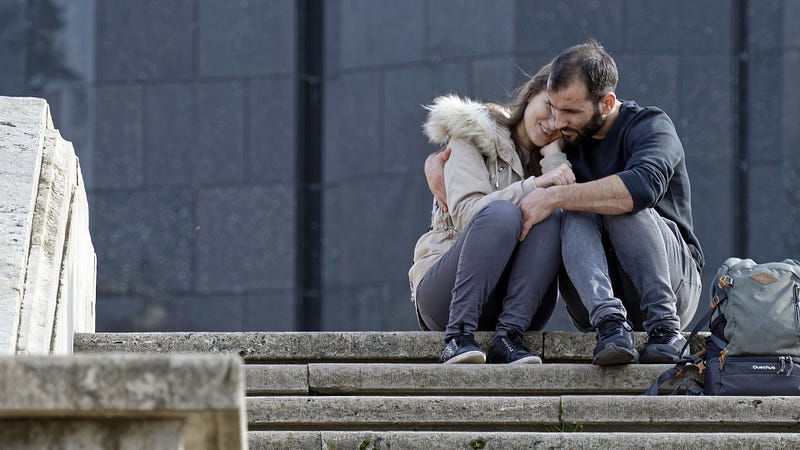
It’s hard to say, “I’m sorry”. But these words have an enormous impact on our relations.
No one is perfect. People get offended and feelings hurt. And when it happens, too often we either mumble a quick ‘sorry’ or we let it go, hoping the other person forgets what we did or forgives us.
By apologizing, we reap many benefits. Our relationships become stronger by mending emotions, encouraging forgiveness, building trust, increasing loyalty, and opening channels of deeper conversations.
So what makes telling someone you’re sorry so difficult?
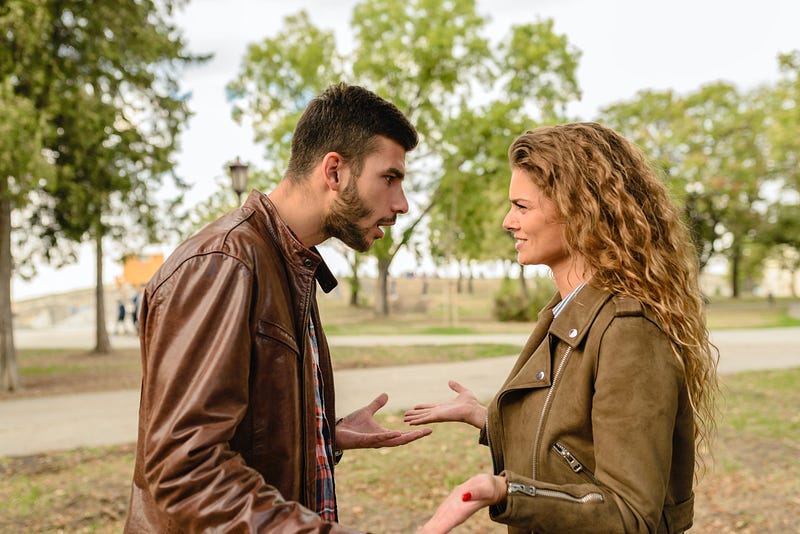
Saying I’m sorry means admitting I’m wrong
We don’t like to admit it when we’re mistaken. Admitting we’ve done bad doesn’t fit our self-narrative. So we make excuses for why we did or didn’t do something. Or we act as if the event never happened.
One example of being unable to recognize wrongdoing is politicians. Their lives are under constant scrutiny. News sources record their words, how they live, and their associates. It’s amazing when a lawmaker states “I never said that” or “I never did that” when it’s easy to prove what they said or did.
So political leaders cling to what they say today. Even with overwhelming evidence, they won’t admit being wrong because they have to protect their reputation.
Our lives are less public than lawmakers. But we do the same things.

Saying I’m sorry makes me vulnerable
No one enjoys being exposed. And when you say you’re sorry, you’ll feel uneasy. In apologizing, you risk being rejected by someone you love or respect.
And there is the other person who feels upset. By refusing to be uncomfortable and unsure, you don’t help heal the relationship.
It takes courage to admit you’ve injured someone. Saying ‘I’m sorry’ is hard.
When my daughters were little, they sometimes hurt each other’s feelings. One daughter would cry and come to us to tattle on her sister. So we sat the girls down to get both sides of the story. Then tell the offender to apologize.
Usually, it was a quick, “I’m sorry”, that wasn’t heartfelt, followed with “can I go now?”. So, instead of resolving the problem, a glib answer made the condition worse.
As adults, we aren’t much different from when we were kids. We’re uncomfortable saying ‘I’m sorry’ to someone we’ve hurt. So like anything that makes us uneasy, we gloss over it then change the subject. It’s our way of hoping the entire situation will go away as fast as possible without resolving the problem.

Saying I’m sorry might make things worse
Sometimes the cause of doing something that hurts another person has other issues attached to it. Things that you would rather not talk about.
When I was 6 or 7 years old, I was walking home from school with a few friends. On the way was a grocery store, so we went inside. None of us had any money, so the older kids stole some candy. To look good to my friends, I stole a piece of taffy out of a tub near the door. When I went outside, I unwrapped the candy and started eating it.
But I felt so much guilt that I re-wrapped the candy, then took it back into the store and dropped it back in the tub with the other taffy. That didn’t fix what I’d done, and it made it worse because some innocent person probably scooped up the candy and took it home. So I hurt that person.
That night my dad could tell something was bothering me. I told him that my friends had stolen some candy and gave me a piece. I didn’t want to tell him I had stolen it, so I changed the story. I thought if I told him the other kids did it, then he would think I was a victim.
I accomplished two things: I shifted guilt away from myself and changed the subject to the other kids. But I made things worse. Not only did I steal a piece of candy, but I lied to my dad.
How to say ‘I’m sorry”
When saying you’re sorry, you must own what you did wrong
In my story about the piece of taffy, I didn’t own what I did. Instead, I wanted to protect myself from getting into trouble, and I wanted to protect my dad from thinking less of me.
But my dad didn’t buy the story. He asked questions until I told him the truth. He forced me to own what I’d done. But that didn’t resolve the entire issue. I’d also harmed the local business. So he took me to the store, and I told the manager what I’d done.
I’ve never forgotten the experience. I learned the lesson that the first step to being sorry is taking ownership of the offense.

After saying ‘I’m sorry’, listen to the other person
Healing isn’t complete just because you say you’re sorry. The second step is listening to the other person. How do they feel? What do they want so they can feel better? Listen and not make excuses.
For me, this is the hardest part of saying I’m sorry. Apologizing for something is embarrassing. It makes us feel vulnerable and unsure. More than anything, we want to make a quick apology, and we want to be somewhere else.
But we have to listen so we know how what we’ve done has affected the other person’s life. Maybe there are tears or anger. Or maybe there is a feeling of disappointment.
After listening, you need to make it right
Fixing the problem is the last step of saying ‘I’m sorry’.
When my dad took me to the grocery store where I’d stolen the candy, he told me to tell the manager what I’d done. I was afraid because I knew I’d done wrong, and I didn’t know what was going to happen to me. I was a kid who had stepped into the adult world. I wasn’t ready, and it made me afraid.
The store manager listened to my apology, then he explained to me that stealing hurts everyone.
To make things right, he took me to the store’s stockroom. And he gave me a big floppy broom. And he told me that if I would sweep his store, it would fix everything.
I swept the floor.
Conclusion
There isn’t a way to get through life without offending and hurting other people. And saying we’re sorry isn’t pleasant. It makes us feel vulnerable and embarrassed. After apologizing, there are three things that we must do.
- We must own whatever it is we’ve done.
- We have to listen to how the other person feels.
- We need to fix it if possible.
Have you had an experience where you had to apologize, even though it was painful? Did it make a lasting impression on you? In my case, stealing a piece of candy affected me so much that I never stole again. In your case, what effect did your apology have on you?


