
Why is it So Hard to Get a Good Night’s Sleep?
And how it can be a matter of life and death.
What do these disastrous events all have in common?
- The grounding of the Exxon Valdez in 1989 caused the second largest oil spill in American history and cost more than two billion dollars to clean up.
- Three Mile Island partial meltdown in 1979 caused the American adoption of nuclear electric plants to come to a halt and cost one billion dollars to clean up.
- The worst nuclear accident in human experience, the meltdown of the Chernobyl power plant.
- And the tragic explosion of the space shuttle Challenger.
Investigations implicated sleep deprivation as a major factor in all these tragedies.
Sleep deprivation contributes to many health problems, too.
I admit I think a lot about health. But for years, I was ignorant about the importance of sleep. In fact, I often bragged about how little I slept. Not smart at all.
Studies have shown that in addition to increasing the chance we’ll be in an accident, lack of sleep affects our bodies.
- Insufficient sleep increases the risk of developing serious medical conditions, including diabetes, obesity, and cardiovascular disease.
- Lack of sleep can shorten our lives by ten years.
- Sleepiness causes car accidents.
- Not enough sleep decreases our immune function.
- Being tired makes it harder for us to regulate our emotions, react quickly, and even think effectively.
It’s easy to think skipping sleep is a good idea.
When I was a young mother of five children, it was hard to find an hour for myself. As a result, I routinely stayed up way too late after the kids were asleep— to read, relax, or catch up on work.
Thinking that four hours of sleep was enough, I wondered why I was frequently sick and always exhausted.
I know there are times in our lives where it is super-hard to find enough hours to sleep. Particularly when we have young children, it’s tempting to stay up too late, searching for a few quiet hours alone.
But researchers are finding that enough, good quality sleep is as critical to our health as nutrition or exercise; it’s not optional.
What you should know about sleep stages, REM sleep, and deep sleep cycles.
Sleep quality refers to adequate time spent in deep sleep and REM sleep stages and the number of hours in total sleep. About half of our sleep is spent in stage two or non-rem, light sleep. Stage 1 is sometimes called latency, or the amount of time we spent falling asleep or dozing off.
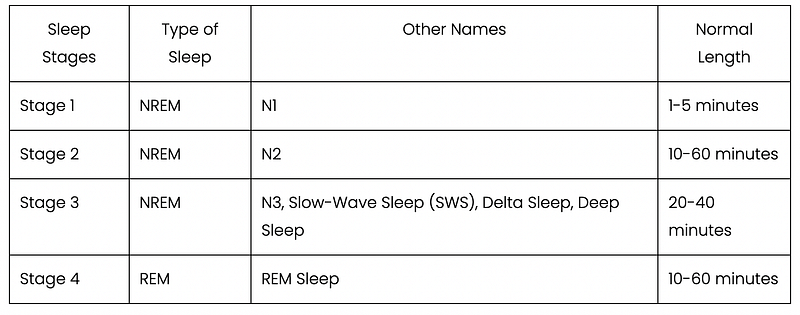
As we sleep, we go in and out of the sleep stages several times.
After falling asleep, we usually fall into a deep sleep. Our heart rate decreases, brain waves slow down, and our brain waves change from fast to high-amplitude slow waves.
During this time, our bodies release human growth hormones (HGH). If we do not get enough deep sleep, our bodies take longer to heal and grow.
REM sleep usually begins about one hour after the deep sleep cycle. Then, a change happens, and our brain kicks back into high gear while our body remains limp. This stage is characterized by rapid eye movements (REM) behind closed eyelids as we enter into the hallucination stage called dreaming. Most people have three, four, or even five REM stages each night.
In her book, The Twenty-Four Hour Mind, Rosalind Carter explains that it is during this time that the brain down-regulates emotions, consolidates memories, and even permanently changes our behavior and beliefs in response to that process.
She explains that sleep loss interferes with these essential physical and mental processes. Lack of sleep leaves us tired, with decreased immune response, and in a grouchy mood with heightened memories of negative events. Wow!
Sleep is a busy time, interweaving streams of thought with emotional values attached, as they fit or challenge the organizational structure that represents our identity. One function of all this action, I believe, is to regulate disturbing emotion in order to keep it from disrupting our sleep and subsequent waking functioning.—Rosalind Carter in The Twenty-Four Hour Mind.
What causes disrupted sleep and insomnia?
There are plenty of things that can affect the quality of our sleep, even if we spend enough time in bed.
- Sleep apnea: Have people mentioned your snoring? Are you frequently tired even when you sleep enough? You may have sleep apnea, a potentially serious sleep disorder in which breathing repeatedly stops and starts.
- Depression: Mood disorders often contribute to sleeping too much, not enough, or disrupting sleep stages.
- Alcohol: While a glass of wine may make us fall asleep quickly, it often causes us to wake up after three or four hours and have trouble going back to sleep.
- Eating too close to bedtime: Bodies have to work harder to digest food, interrupting sleep.
- Stimulants: Both caffeine and nicotine can prevent sound sleep.
- Not enough exercise: The human body needs to move; lack of activity can lead to lack of sleep.
- Dehydration: The tricky thing is drinking enough water can mean getting up to urinate! But even minor dehydration will disrupt sleep cycles.
- Pain: Not surprisingly, discomfort from arthritis or other conditions can make it hard to get comfortable.
- Medication: Sleep problems can be a side effect of some prescriptions or over-the-counter medications.
- Comfort: A room that’s too bright or too warm can make us toss and turn.
- Screentime: The light from a TV or other screens can make it hard for our brain to shut down.
- Aging: Yes, as we get older, we sleep more lightly and become more sensitive to all of the factors listed above. The critically important deep sleep cycle is often the most affected.
- Lack of natural sunlight. Natural light early in the morning helps us wake up. However, too much light at night interferes with sleep.
Insomnia, trouble falling asleep, or staying asleep also bothers many people. While it is often made worse by the factors listed above, it’s often linked to worry or anxiety, making it hard for our minds to relax.
More importantly, how can we get more restful sleep?
First, look through the list above. Does something stand out to you? If not, there are some easy things to experiment with.
- Eat at least four hours before bedtime. Digestion requires greater circulation and makes your heart work harder. That’s the opposite of a lower resting heart rate. I’ve gone to eating my largest meal of the day as a late lunch, and I sleep much better.
- If you drink alcohol, quit for a week and see if your sleep improves. A glass of wine may help you relax and fall asleep, but a few hours later, you are likely to toss and turn. It may take a few days before your system resets, so I urge you to give it a week.
- Avoid looking at a screen for at least 30 minutes before bed. Instead, try reading or listening to an audiobook.
- Stay hydrated during the day. Even slight dehydration can interfere with your heart rate—and your sleep.
- Increase your exercise and time spent outdoors. Read about the pineal gland, its importance on circadian rhythm, and how natural light can help reset your sleep clock. Don’t exercise within two hours of bedtime, though.
- Stay cool while you sleep. I don’t sleep well when I’m hot, so I take a cool shower before bed in the summer and keep the fan on.
- Take time to relax before bedtime. Try some relaxation techniques or even a sleep meditation.
The link between sleep and overall physical health is well-documented. Sleep allows both the body and brain to recover during the night. So if you are among the nearly 20% of U.S. adults who sleep poorly, please take it seriously.
Try some of the suggestions here and if nothing helps, talk to a medical professional. Diet, hydration, exercise, social connection—and sleep are all essential to being as healthy as possible.
Resources: Sleep and Health The Twenty-four Hour Mind: The Role of Sleep and Dreaming in Our Emotional Lives by Rosalind D. Carter The Sleep Foundation
Cindy has been a farmer, dog trainer, bookstore owner, and writer. She’s passionate about life and health. If you’d like to get her free Writer Weekly update—join here.