
Why Is It OK To Be Racist Towards Eastern Europeans?
Time to finally address it
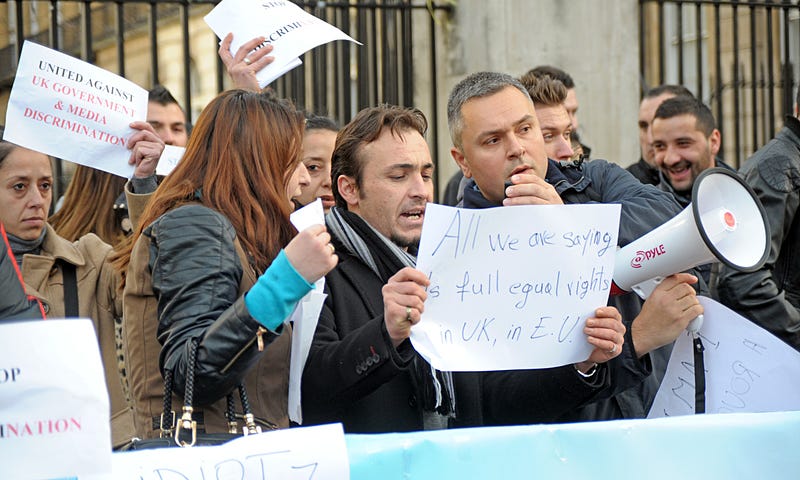
I was born behind the Iron Curtain. Imagine how uncomfortable that must be. The curtain is so heavy I can’t even pull the curtain to one side to see the grey Communist light.
Iron-heavy.
We had the best Christmas Day in 1989. Grandma cooked pork, potatoes and cabbage. I got a new teddy bear. It was snowing and I muddied my sleigh. Nicolae and Elena Ceausescu, the dictators who had plagued my country for 25 years, were executed live on television to the cheers of my entire block.
The Iron Curtain was no more.
For some.
For others, it turned into the Copper Curtain — slightly golden but still pretty tough to snap.
The brew
I’ve been meaning to write this for years. It’s been sitting on my palate, bashing against my skull. I didn’t know how to put it right, how to do it justice. How to address injustice.
Or maybe I was afraid of people turning around and saying “that’s not REAL racism!” as if one form of racism is more tolerable than another. Or “you just misunderstood the subtext” like I’m an over-sensitized snowflake.
For too long I’ve felt that my background is somehow a weakness, a hurdle that I need to overcome to stand any chance of doing anything. I’m just so tired of it.
Let’s begin.
At the beginning
Together with my family, I was a refugee in Britain in the 1990s. Refugees not migrants, or economic migrants. Refugee because my family and I were escaping persecution. In 1990, my parents left everything behind, their parents, friends, jobs, home, car, the lot, and arrived in Britain with a suitcase, a hundred pounds, and their nine-year-old son— me.
Displaced. Disconnected. Disoriented. You can throw words around as much as you’d like but my early years in Britain were a learn on the job experience. Learn to speak, learn to write, learn the cultural differences, learn how to fit in.
Not easy, with a name like Bogdan Tiganov and not having been previously exposed to the English language. So, yes, introductions were plentiful.
What’s your name?
What?
Where are you from?
Stumbling, mumbling my way through the same answers. Eventually advanced enough to change the wording around so I don’t bore myself with my own explanations.
Fortunately, I lived in less privileged areas in London, like Kilburn or Leyton. I say less privileged because we lived in pretty rough accommodation, where the floors were unstable and the walls paper-thin. I say areas because we were constantly moved by councils. I say fortunately because I came across kids from different backgrounds and countries like Turkey, Libya or Greece, so I could share in the foreigner experience. I was the only kid of my age from Eastern Europe in eleven different schools that I attended.
Being the only kid of a certain background means that you have to do a lot of ducking and diving. When a kid shouts “ILLEGAL MIGRANT” at you, that’s fine, they don’t get it. When you get backed up by local bullies it’s time to use your words, or your fists.
This was the 90s. There was nowhere to turn to, no support groups or online forums. Nothing. I just had to bite down and carry on.
The working life
After university, and a couple of years of temp jobs and teaching English to foreigners (ironic eh), I got my first proper office job in 2006. Annoyingly, this was around the same time when Romania joined the EU, so there was already a panic brewing about Romanians.
My wife, also a Romanian, was once asked by a British colleague:
“Do you have universities in Romania?” (Between my wife and I, we have four degrees.)
I started to feel something in my daily life. An unease. It was the feeling of us vs them. The way that people behaved around me wasn’t the same as how they behaved around regular Brits. It was subtle. Their backs would be turned when I walked into the kitchen. The conversations would get louder and more cliquish when I walked past. A tense silence when there shouldn’t be one.
It got worse. In one company, a large corporation that I worked for, nobody would ever talk to me, like I wasn’t there. Yes, it was linked with the company culture. But there is always that feeling that I’m being stared through, that my words aren’t heard.
I started to wonder: am I really that stupid and useless? (I had been published in over fifty literary magazines by the time I was twenty-one.)
Or I’d go to an interview and think: how much better do I need to be in order for them to not use my background against me?
The writing world
I was writing and getting poems and short stories published from an early age. However, when I hit 30 I decided to take a break.
Publishing is now all of a sudden interested in diversity and ethnic writers, or whatever terminology they’ve latched on to desperately appear relevant.
It is always an afterthought.
There is no support for ethnically diverse voices apart from at the edge. I’ve worked with organisations like Exiled Writers Ink and shared readings with very talented writers. But I don’t remember Iranian, Afghani, or Nigerian writers on the bestseller lists in Tesco, do you?
It was one of the reasons I started Honest Publishing in 2010. I was sick of the publishing world, scratching each other’s backs, publishing university lecturer friends and promoting middle-class navel gazing.
They’re coming for your jobs
Romania and Bulgaria joined the EU in 2007. However, work restrictions were only lifted in 2014.
In 2013, the British media informed everyone about the influx of Romanian and Bulgarian migrants, coming to take everyone’s jobs in 2014.
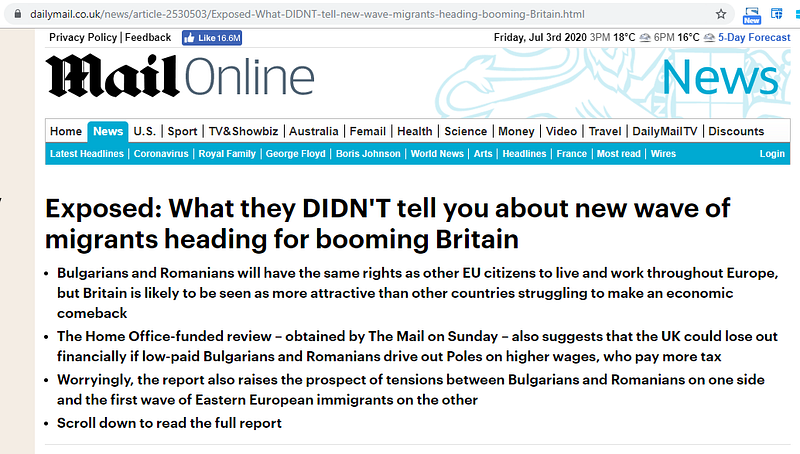
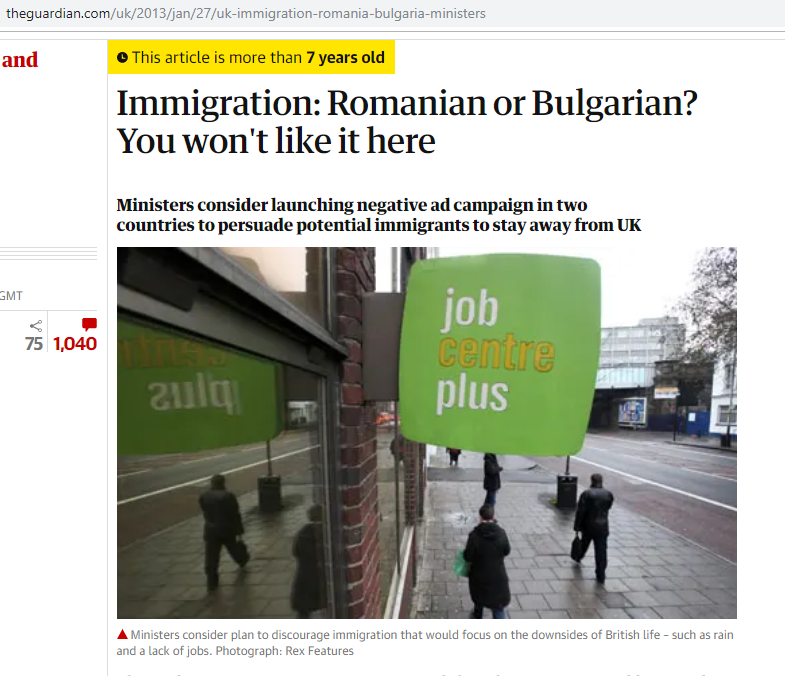
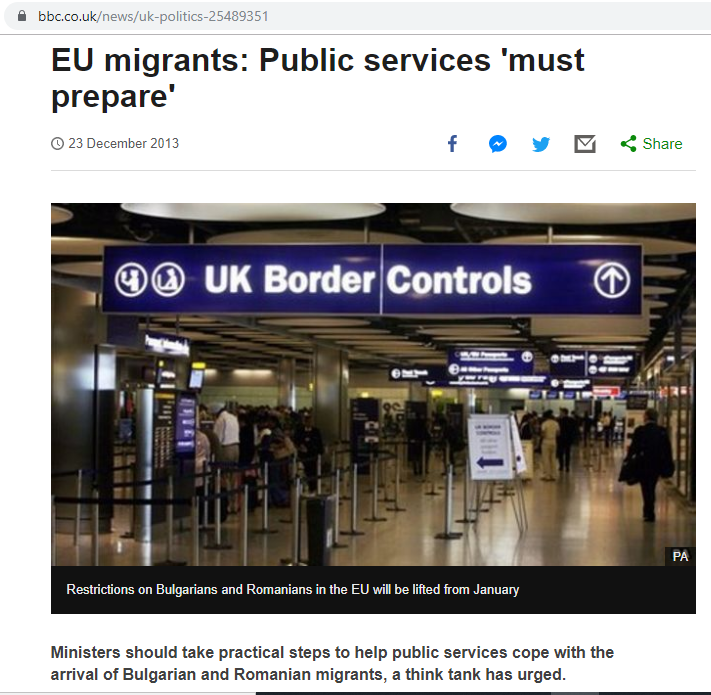
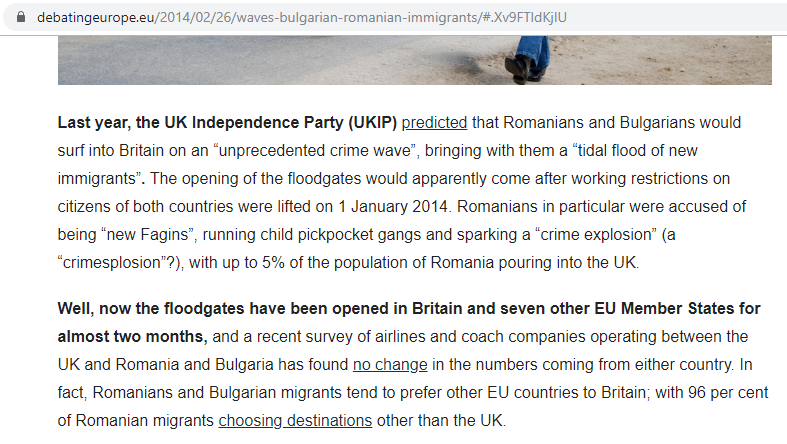
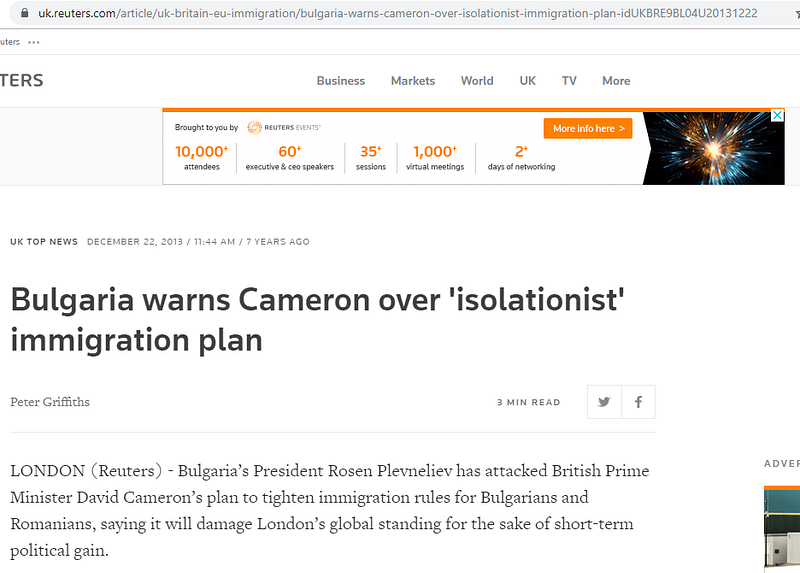
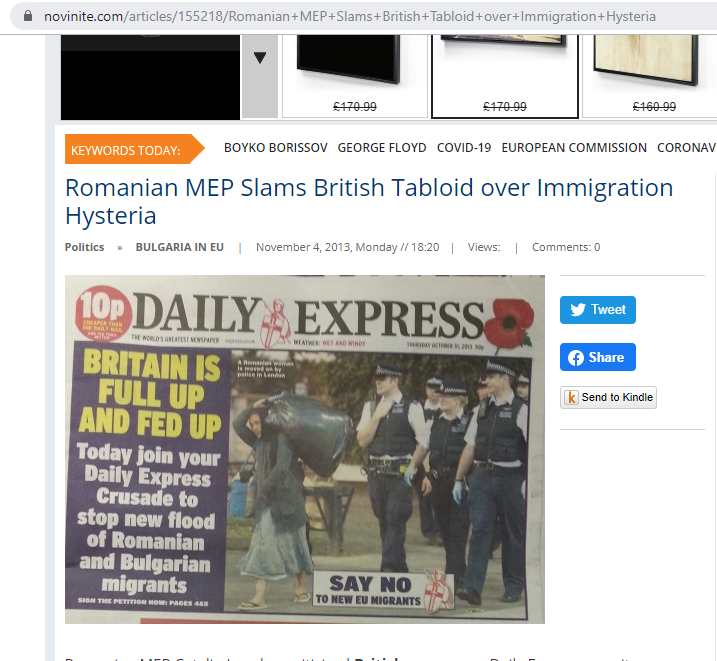
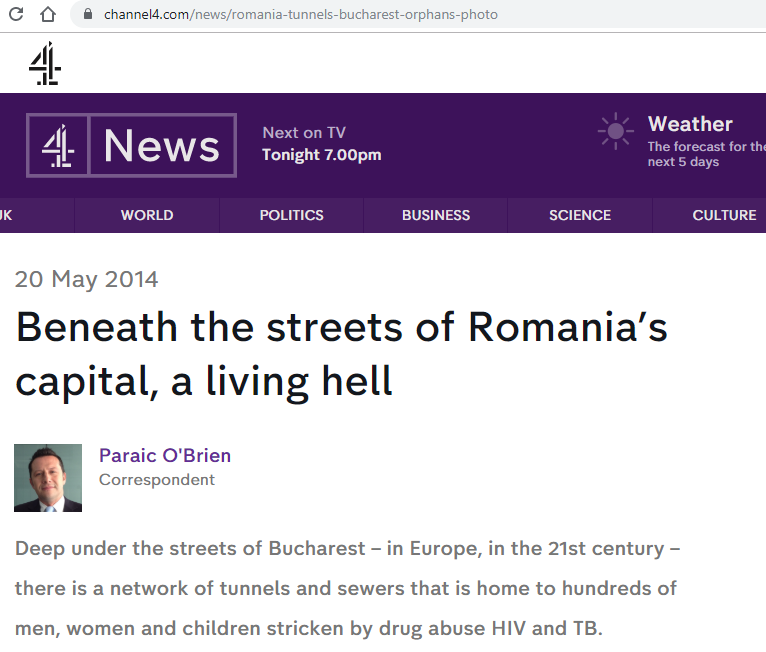
How do you feel about people coming to your country from a living hell?
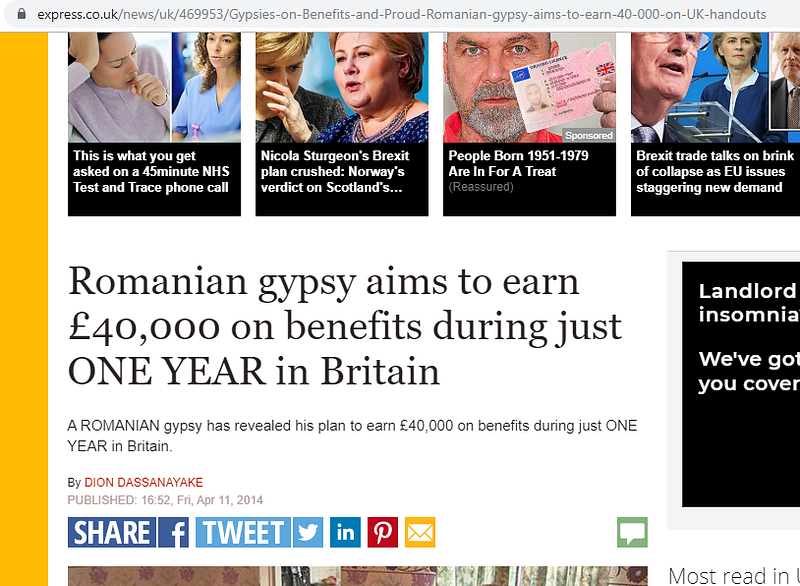
Oh, there’s always mileage in a Romanian gypsy benefits story:
Let’s not forget the TV programmes:
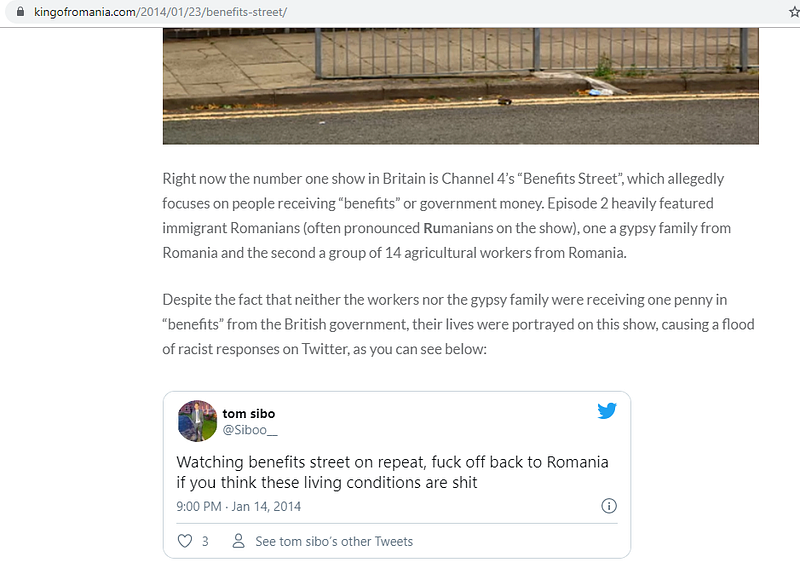
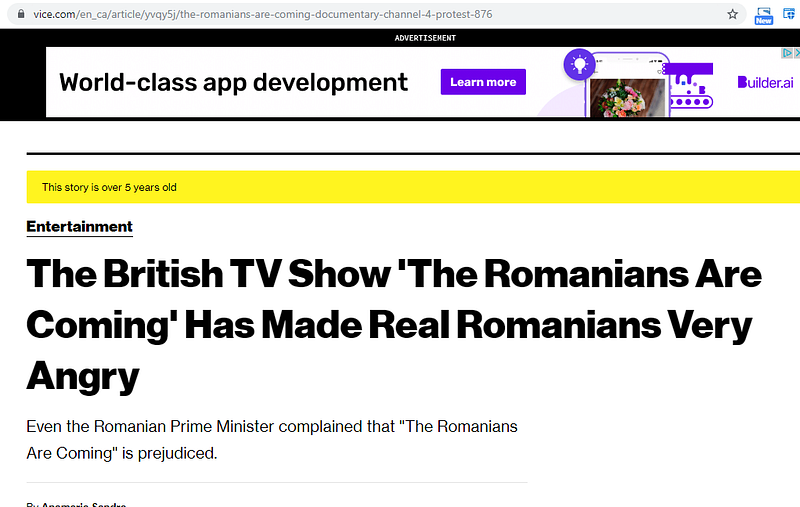
At the time, I was seething with rage because the propaganda was inescapable. It was dirty, low, cheap journalism, and it stirred hate from all sides. My mother had decided she wouldn’t say where she was from, because her wealthy, British clients might not like it.
The EU referendum held by Britain in 2016, resulted in a lot (the majority apparently) of Brits voting to leave the EU. What could possibly have made them hate the EU so much?
Where are we today?
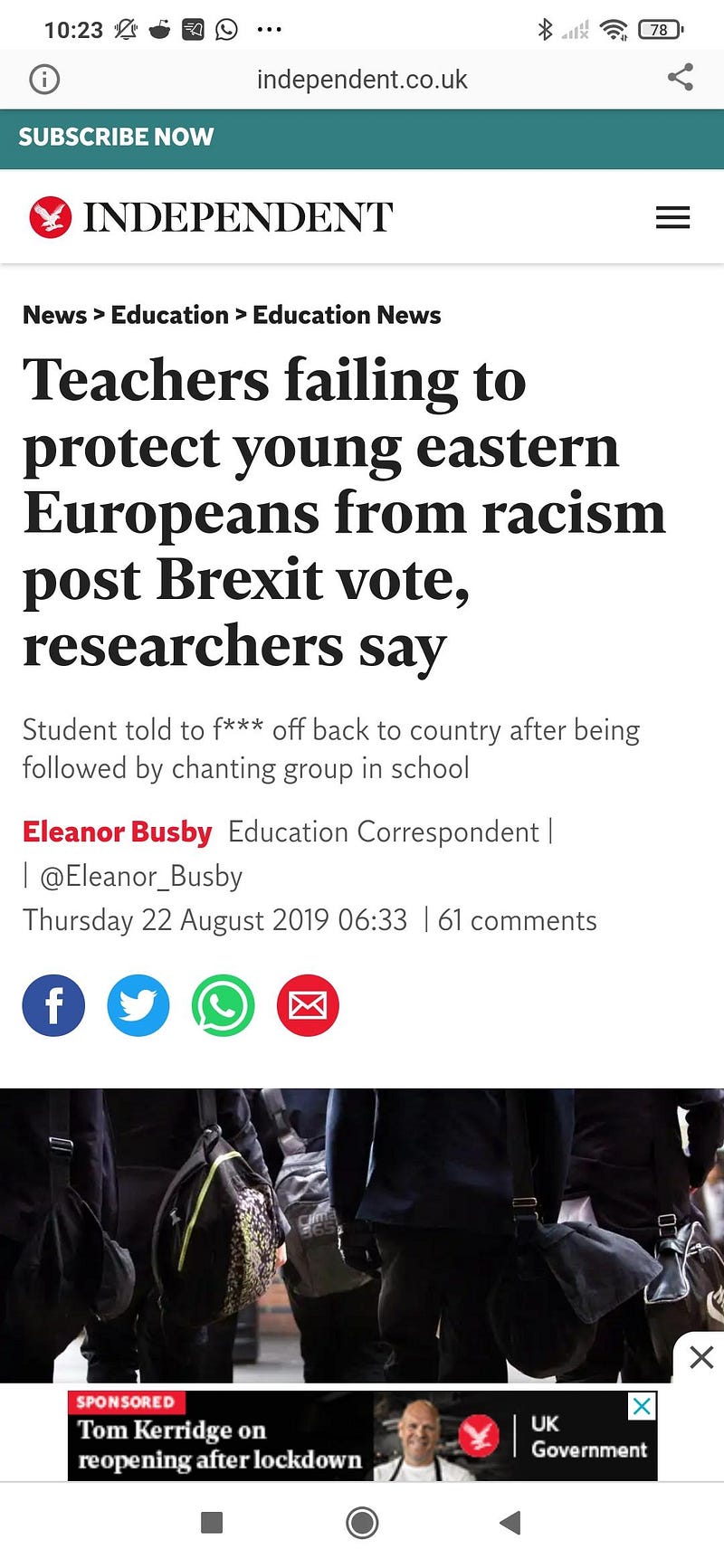
This was last year, in full Brexit hysteria. I started to hear more and more stories from friends about racism and discrimination. Friends of mine mocked for their accents or just plainly told to go back home.
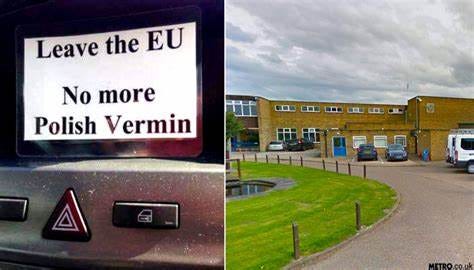
Enough is enough…right?
I wish I could say I was some kind of superhero, ready to bulldoze my way through any discrimination towards equality. But I’m not.
It’s taken me years to express this and it will take me many more years to deal with my anger, shame and accumulated repressed thoughts and feelings. Hopefully, this is the start.


