
Why Is Connectivity Still A Problem At Some Schools?
The digital gap and internet problems continue to keep students from learning and teachers from teaching.
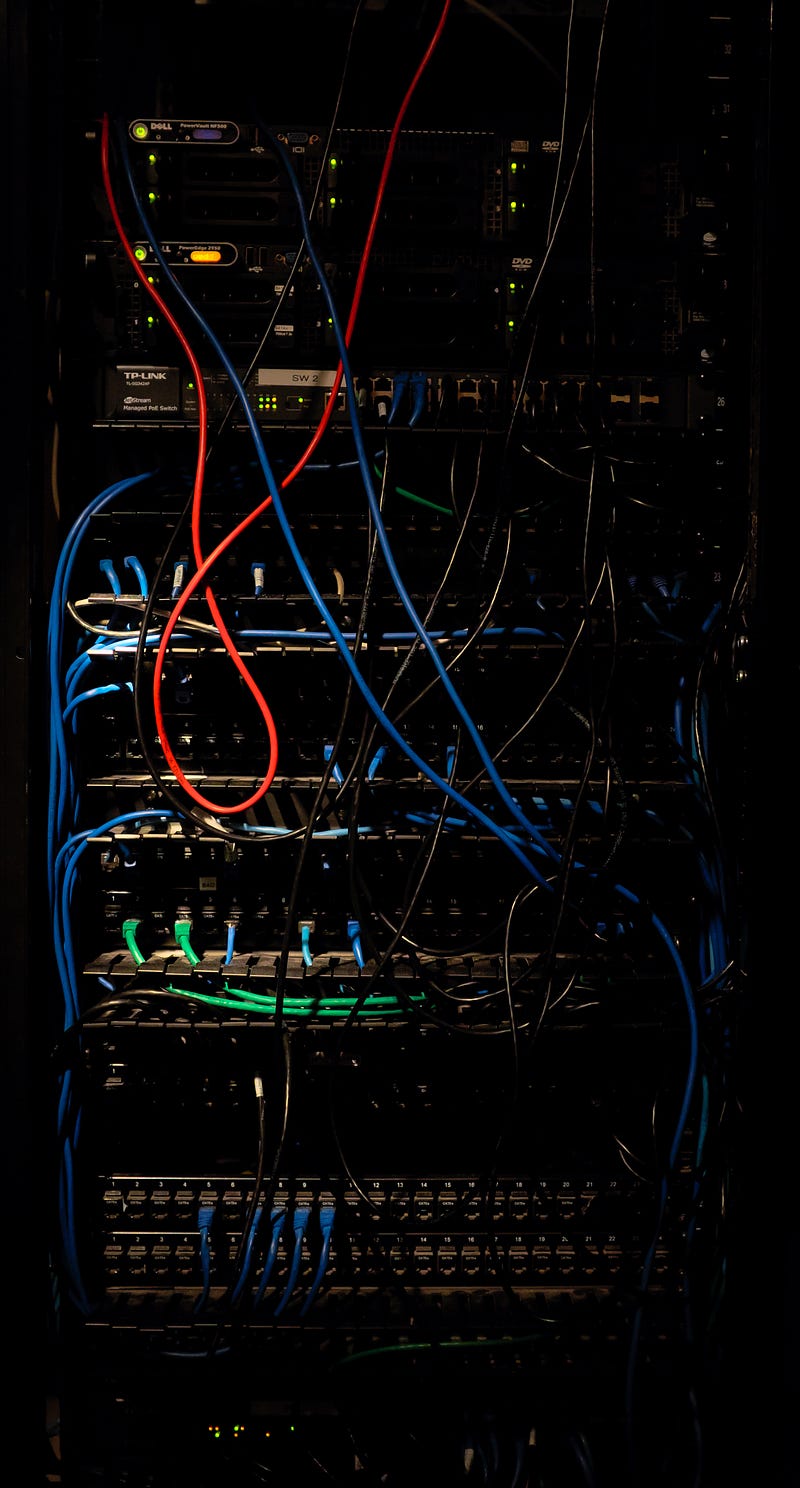
It is understandable that problems occurred with technology when schools were abruptly closed over six months ago. Back then, most of the schools that began virtual programs were relatively new at this method of student learning and teacher instruction.
But now, after so many months, the number of problems that students, teachers, and parents have either with the deliver of instruction, accessing daily lessons as well as performance tasks, and communicating with each other are mounting by the day.
It is unbelievable that, in this digital age, connections between the home and schools are so terrible for so many educators and families.
Frustrations Are Growing

A lot of schools have provided families with educational options during this time of uncertainty. Many parents have made the decision to enroll their children in a virtual program provided by their traditional school. Some have also opted to place their children in a hybrid program also provided by their school to enable to them attend in-person classes at school some of the time and participate in an online program at home. For others enrolled in the schools that have extended their building closures, the only educational option for students is to participate in a virtual program until the facilities open.
Even though the overall intention of these temporary approaches to school are to keep students, school personnel, and their families safe, the seeds of dissatisfaction, resentment, and irritation have taken root and are rapidly growing because of connectivity problems.
People Are Speaking Out…LOUDLY!

People extremely concerned about the problems that prevail with connectivity are letting their voices be heard.
There are two major reasons why connectivity problems exist.
Problem Number One
The digital gap is very real for many students and their families. This refers to the reality that many students and families do not have access to the internet and many lack technology devices at home. (Some people call this issue the digital divide.)
This problem has become a form of educational inequity and educational inequality. The reasons are quite simple. Students who have internet at home, have devices at home, or have been loaned devices from their school have an educational advantage over students who do not have these things. The students with them are able to receive uninterrupted learning and instruction each day and they are able to participate in educational activities each day. Students who neither have the internet at home nor laptops, an iPad, or other forms of technology remain absent from school, fall behind, and do not stand a chance to get caught up. The educational experience of the students without the critical technology both becomes unfair and unequal.
Sadly, these students will be left behind.
Here is an example of the harsh and heartbreaking reality of the digital gap as originally communicated on social media.
abc7.com › taco-bell-wifi-students-hotspot
The image of two youngsters participating in their virtual classes by sitting on the ground in the news report shown above that were at a restaurant to use the hotspot reflects this inequality and inequity that exists for many learners. Fortunately for these children, their school district quickly intervened when they became aware of the urgent need to connect them to the internet. Their family was given internet access.
Problem Number Two
Education disruptions also prevail for many families that are connected to the internet and have devices for their children. In these cases, internal technology problems within school district and schools prevail.
One of these examples follow.
Whether the problems are caused by the internet provider or with the school system, these issues have been referred to as unstable connections, crashing website, overloaded systems, or poor connections. School districts like the Florida school district featured in the story above are adversely impacted by this. Failures, therefore, abound. Teachers are unable to provide instruction and students cannot connect with their instructors.
School districts are, indeed, working very hard to resolve these issues as they seek internal solutions and external assistance from internet providers.
Despite the problems with students lacking internet and or devices as well as the bad connections that exist within schools and districts, I have solutions to suggest.
A Few Solutions

Solution Number One
Making improvements in the area of family engagement offers the greatest solution to inequity and inequality issues that are related to the digital gap. I promote the belief that school leaders and teachers are among the educators who must take the lead in building authentic partnerships with parents.
There are many viable family engagement strategies that foster a team spirit between the home and school even during the pandemic. However, the home visit is the one that I believe will produce the great result for parents, educators, and students if done using the telephone.
The home visiting strategy that I created called the BFF Visit or Bonding Face-to-Face is one that builds positive relations between teachers and the families they serve. Even though it is unsafe to make the visitations to student homes during the pandemic, I advocate for friendly check-in calls to be made to families. When educators interact with families to find out how students are progressing, to find out if the family has needs that the school may help resolve, and to simply get to know them, they let their families know that they care. In doing so, the door opens for the school to find out if the students in the families have the devices and connectivity that they need to support online learning. Responsive educators to work to meet these meeds in a timely manner.

Therefore, the BFF Visit or BFF Call, has the capacity to help bridge the digital divide that creates an inequitable and unequal learning experience for students.
Solution Number Two
I know with all certainty that information technology specialists and other school personnel are doing their absolute best to resolve the connectivity problems that confront their entire school community. However, with so many teachers, students, and parents using websites at the same time, systems are literally crashing because the technology demands are failing to be met.
To me, the greatest solution may be found in utilizing instructional flexibility and flexible teacher office hours. In other words, problems could be solved by simply managing and adjusting their professional time differently.
Here are some recommendations to help the situation that currently exists.

- Instead of teachers expecting all of their students to be signed in for daily live lessons, they should videotape lessons. Doing so will allow students to login in to classes at varied times during the day. This will also reduce the load placed on the websites used to support student learning.
- Since lessons will be recorded, teachers will be able to cover more material in one lesson. This would not only give some students an opportunity to participate in live recorded lessons and interact with their teachers, they would also be able to watch lessons over again as needed.
- Videotaping lessons would enable teachers to have more time built into their professional schedules for office hours.
- Establishing office hours would allow several positive family supports to be put into place. First of all, teachers could be able to respond to parent and student questions. Next, they would be able communicate with families more meaningfully and personally. Finally, teachers could be able to refine their lesson plans so that they provide more individualized assistance for students.
- Having lessons recorded would permit teachers to establish instructional labs built into their school day. This period of time could be used to reteach concepts to students as well as to provide them with extra help. Simply stated, teachers would be able to tutor students.
Connectivity problems are very real for students, educators, and parents. As a family engagement influencer, I have provided solutions based on relationship building principles. These recommendations have the capacity to close the digital gap and resolve poor internet connections that exist within many schools and homes.
Dr. Deborah M. Vereen is a retired Teacher and School Administrator. Her website is www.Drdeborahmvereen.com and her YouTube Channel is https://www.youtube.com/channel/UCS1DPhBeA29UlybU9jzDkdQ .