
Why is Britain so involved in the Russo-Ukrainian war?
The reasons behind London's decisions and their consequences
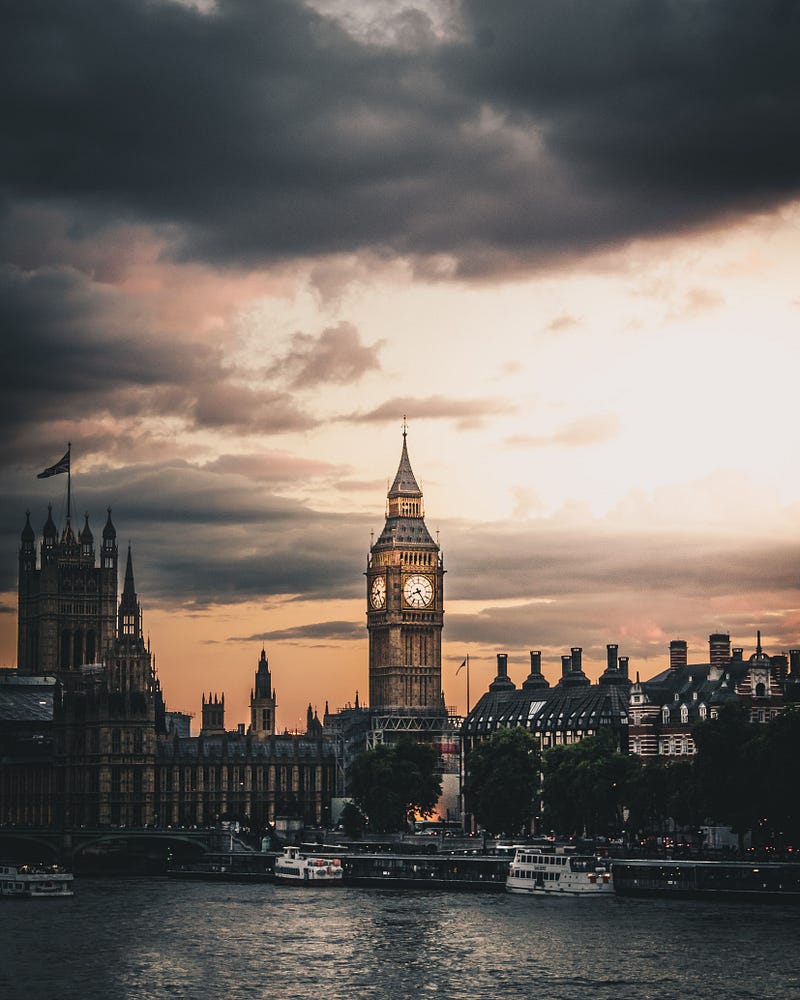
In recent weeks we have seen Britain increasingly engaged in the Russian-Ukrainian conflict alongside Kyiv. Boris Johnson is at the moment one of the Western leaders closest to President Volodymir Zelensky, as was shown in particular by his surprise visit to the Ukrainian capital in early April. On that occasion, the British Prime Minister had indeed announced a new package of both financial and military aid as a testimony to British participation in the fight against Moscow.
Johnson thus demonstrates his desire to take on the figure of the most intransigent head of government in the opposition to the Kremlin. Since the outbreak of the conflict in February, England has supported the Ukrainian cause by sending lethal defense weapons and becoming Europe’s number one supplier of money and aid totaling £ 200 million.
Furthermore, equally relevant was the message launched a few days ago, this week, by the British Foreign Minister Liz Truss. Speaking from London and addressing its allies, Truss in fact stated that “the West must learn the lessons of the war in Ukraine and adopt a new approach to global security, focusing on stronger deterrence or economic cooperation”.
We can therefore analyze the consequences and the reasons behind this British position in this terrible conflict on the eastern gates of Europe.
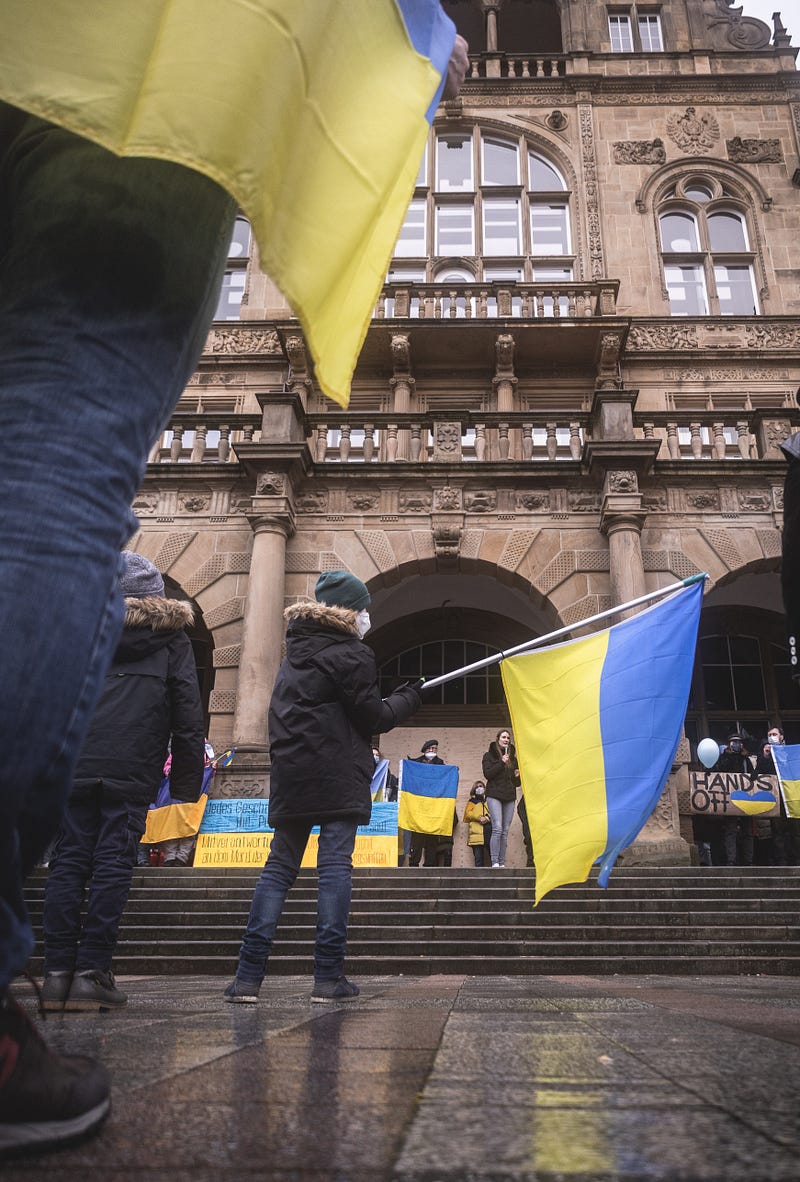
The Speech of British Foreign Minister Truss
Truss began by stating that “in Ukraine, the architecture designed to guarantee peace and stability has failed”. For this reason, a new geopolitical approach is needed in order to “build stronger global alliances” and ensure that “the nations of the free world are more asset and confident”.
According to the foreign minister, Ukraine’s fate is still uncertain. Putin’s victory must be avoided to cause future problems in Europe and international arrangements. Consequently, the West must be ready to increase military aid to Kyiv. In particular, the country needs “heavy weapons, tanks, and planes”.
Ultimately, in the long term, a new era of peace, security, and prosperity will only be achieved if Allied States today focus on a tough new approach. In addition to armaments, Britain supports indeed the need for tougher sanctions and greater commitment to Ukrainian refugees.
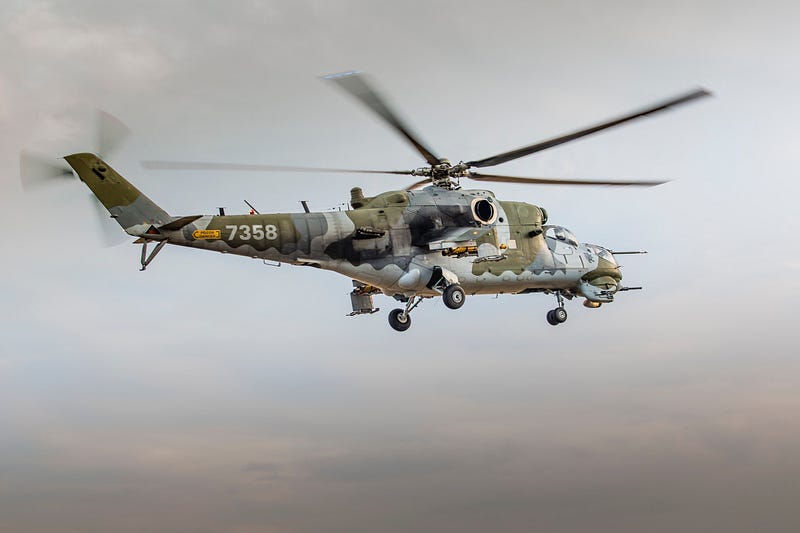
Weapons and reactions from the Kremlin
In relation to Truss's words, a few hours after Lavrov’s declaration naming the danger of a third world war, probably with the sole purpose of frightening the West, the words of the British Deputy Minister of Defense became particularly relevant.
In a radio interview this week, the minister, Hames Heappey, announced that it would be “legitimate for Ukraine to strike Russia, even with weapons supplied by the United Kingdom”. Ukraine was a sovereign country, later attacked by its neighboring power. Consequently, the actions that Kyiv could take in order to interrupt logistic chains or supplies of fuel and ammunition in Russia, with the ultimate goal of protecting its territory, would be “completely legitimate” in London’s eyes.
Of course, Moscow’s reaction to these words was very severe. Threats of “retaliation” have come from the Kremlin. If Russian territory were attacked, the defense ministry said it was ready to hit the “decision-making centers” in Kyiv. Long-range, high-precision weapons would be used. Finally, the presence of Western consultants in such centers may not influence Russian military choices.
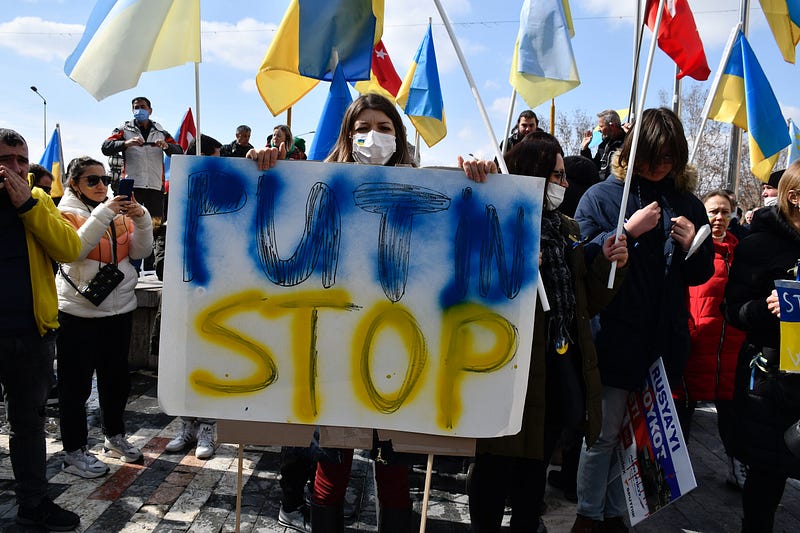
The reasons for the British challenge to Russia
At this point, we can therefore ask ourselves what are the reasons that push London to such a lively participation on the side of Ukraine in the fight against the Kremlin.
In the first place, it can be said that, even before the war in Ukraine, the United Kingdom invested a lot of funds in the Indo-Pacific area, with the aim of deterring China. This is one of the key points of the British post-Brexit policy. For these reasons, in the event of a defeat or too extensive concessions to Putin’s Russia, Beijing could interpret the moment as the most profitable to carry out expansions and authoritarian aims. Classic examples are those of Taiwan or Hong Kong.
Secondly, we could see Johnson’s politics as the desire to return to the historical period of the “Pax Britannica”, that is, to the decades of the nineteenth and twentieth centuries, up to the outbreak of the First World War “, in which England held a key role for global assets and economy. The nation guided the other countries economically and politically, through its own internal decisions, often taken as an example.
Finally, a final motivation could relate to Boris Johnson’s willingness to regain support within the United Kingdom, particularly within his conservative party. After the “Partygate” scandal for the forbidden parties organized during the anti-Covid lockdown, the decisions regarding the Russian-Ukrainian war could give him back the reputation he wants.
The British Challenge in the Black Sea
Finally, London is also concerned about the consequences of a possible Russian occupation of the coastal strip overlooking the Black Sea. Moscow’s aims are indeed clear. Putin wants to control the Ukrainian coast from the Donbas to Russian-speaking Transnistria, part of Moldova, passing through the city of Odesa, left in suspense in recent days.
For the British defense minister, Ben Wallace, such a hypothesis would be disastrous for world trade. In particular, this would represent a problem for wheat exports, which are currently blocked. This is why the recent rise in prices occurred and the search for alternative routes for the delivery of cereals from Ukraine by train to Romania or along the Danube has started.
Yesterday Wallace thus announced the delivery to Kyiv of new Brimstone anti-ship missiles, acquired by the RAF in 2005. In any case, however, the United Kingdom states that it is not attacking the Russians. Indeed, the minister reiterated that it is not “a NATO war against Moscow”.
Sources I was inspired by to write this article:
- Sfida di Londra nel Mar Nero, published by La Repubblica
- Ecco perché il Regno Unito ha la posizione più dura contro la Russia, published by La Repubblica
- Gran Bretagna, perché Boris Johnson è sempre più un “falco” sull’Ucraina?, published by La Repubblica
- Londra-Mosca, sale la tensione, published by Il Mattino
- Per la Gb è legittimo usare armi inglesi per colpire la Russia, published by Huffington Post
I am an Italian student who tries every day to improve her English. I really like writing and studying in this language, also to be able to reach more people. However, I still often run into mistakes. So, if while reading my article you have found some, do not hesitate to contact me, either through a comment or a private note!


